







Refining the Apple Photographic Pipeline
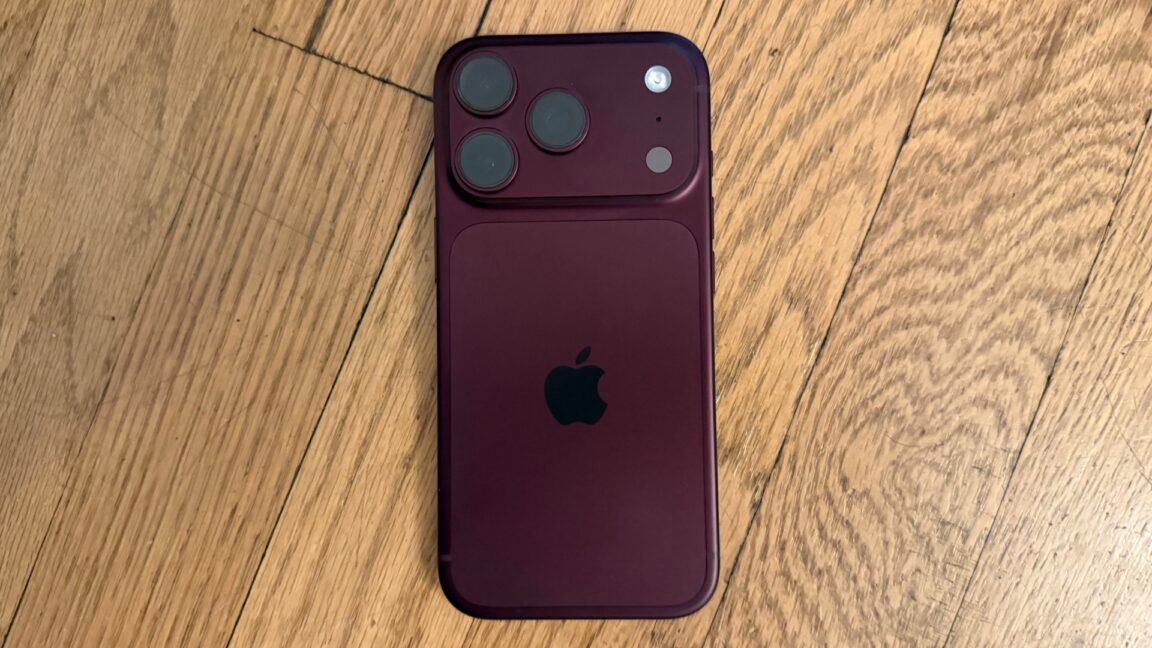
The latest iteration of the Apple iPhone 18 Pro brings a subtle but significant shift in how the device handles image processing. While the underlying hardware remains consistent with its predecessor—retaining the triple-48 MP rear sensor array and the 18 MP front-facing camera—the software layer has received a comprehensive update that grants users greater agency over the final output. For years, critics have argued that the iPhone’s image processing pipeline was overly opinionated, often applying aggressive sharpening or contrast adjustments that stripped away the nuance of a scene. With the latest update to the Camera app, Apple is moving away from a single, rigid “Apple look” toward a more flexible, modular architecture.
The centerpiece of this update is the introduction of four distinct texture profiles: film, glow, soft skin, and standard. These are not merely basic color filters but sophisticated processing presets that manipulate how the computational engine interprets light and texture. The “film” profile, in particular, demonstrates an attempt to replicate the analog aesthetic by shifting color science toward warmer tones and softening high-frequency detail. This provides a direct challenge to popular third-party applications that have long dominated the mobile photography market by offering these precise stylistic aesthetics. While dedicated enthusiasts may still rely on professional-grade editing software, these integrated adjustments allow casual photographers to achieve a curated look directly within the native environment, ensuring that high-quality imagery remains accessible without the need for post-processing workflows.
Expanding the Bounds of Manual Control
Beyond aesthetics, the most impactful change to the iPhone 18 Pro is the integration of granular hardware controls. Apple has finally unlocked variable aperture settings alongside a broader suite of manual adjustments that were previously gatekept by third-party developer tools. By exposing these controls within the built-in Camera app, Apple is acknowledging the maturing demands of its user base. Photographers no longer need to rely on the device’s automated logic to determine depth of field or exposure bias in challenging lighting scenarios.
This transition toward manual control represents a shift in philosophy for the company. Historically, the iPhone camera was designed as a “point-and-shoot” device that prioritized reliability and speed above all else. While these performance pillars remain, the inclusion of variable aperture—a feature typically reserved for professional lenses—indicates that the iPhone 18 Pro is being positioned as a creative tool rather than just a utility. For a user, this means the ability to achieve a natural bokeh effect without relying solely on software-based portrait mode, or to adjust shutter priority to capture motion with specific intent. These are not features that the average consumer will utilize daily, but they provide a necessary bridge for those who want their smartphone to function more like a traditional camera.
The A18 Pro Architecture and Performance
Beneath the camera upgrades lies the A18 Pro silicon. While the performance gains over the previous A17 Pro might not be immediately apparent in day-to-day web browsing or messaging, the architectural improvements are vital for the real-time processing required by the new texture profiles and advanced manual controls. Computational photography is a resource-intensive task; every time a user snaps a photo, the device performs millions of calculations to fuse multiple frames and apply deep-learning-based enhancements.
The A18 Pro excels in the Neural Engine department, which facilitates the low-latency processing needed to show the effects of these texture profiles in the viewfinder before the shutter is pressed. This instantaneous feedback is what makes the experience feel seamless. Without this overhead in processing power, applying complex film-like LUTs (look-up tables) to a high-resolution 48 MP raw file would lead to lag and stutter. The hardware is designed to handle this workload efficiently, maintaining the high standard of thermal management and battery endurance that defines the Pro series. Even under sustained stress, such as recording high-bitrate video or processing complex image stacks, the device remains responsive, confirming that the silicon remains several generations ahead of most current mobile workloads.
The Maturity of the Modern Smartphone
The iPhone 18 Pro arrives at a time when the smartphone industry has reached a state of relative maturity. The days of transformative hardware leaps—such as the transition from the home button to FaceID or the shift to multiple focal lengths—are largely behind us. Instead, we have entered the era of refinement, where the focus is on optimizing the user experience through software and incremental component adjustments. This shift is clearly reflected in the iPhone 18 Pro, which serves as a definitive example of Apple’s current trajectory.
From a design perspective, the device is the culmination of a multi-year trend toward polished, iterative growth. It is practical, premium, and refined. However, it is also a testament to a market where the incentive to upgrade has diminished. For the average user, the distinction between the iPhone 17 Pro and the 18 Pro is negligible. Unless an individual requires the specific versatility offered by the new texture presets or the expanded manual camera controls, the previous generation remains more than capable. This is a positive development for consumer spending and the circular economy, signaling that flagship devices are now built to remain relevant for much longer periods.
Final Thoughts on the Ecosystem
Ultimately, the iPhone 18 Pro is a device for those who prioritize stability and quality above all else. It is a workhorse that successfully manages the delicate balance between technical complexity and user-friendly design. By addressing the long-standing critique regarding the “opinionated” nature of its images, Apple has signaled a willingness to adapt to user feedback while maintaining its core commitment to simplicity.
For the loyal Apple customer, this device is a reliable upgrade that provides a few meaningful new creative tools without reinventing the workflow. For the broader industry, it reinforces the reality that the flagship smartphone is no longer a device of rapid, revolutionary change, but one of sustained, consistent improvement. As we look at the path forward, the iPhone 18 Pro stands as a monument to the current iteration of the industry: focused, capable, and increasingly tailored to the needs of individual creators, all while maintaining the high-quality, practical design philosophy that has defined the last decade of personal computing.
Disclaimer: This content is auto-generated for informational purposes only.
Source: Read Original News