







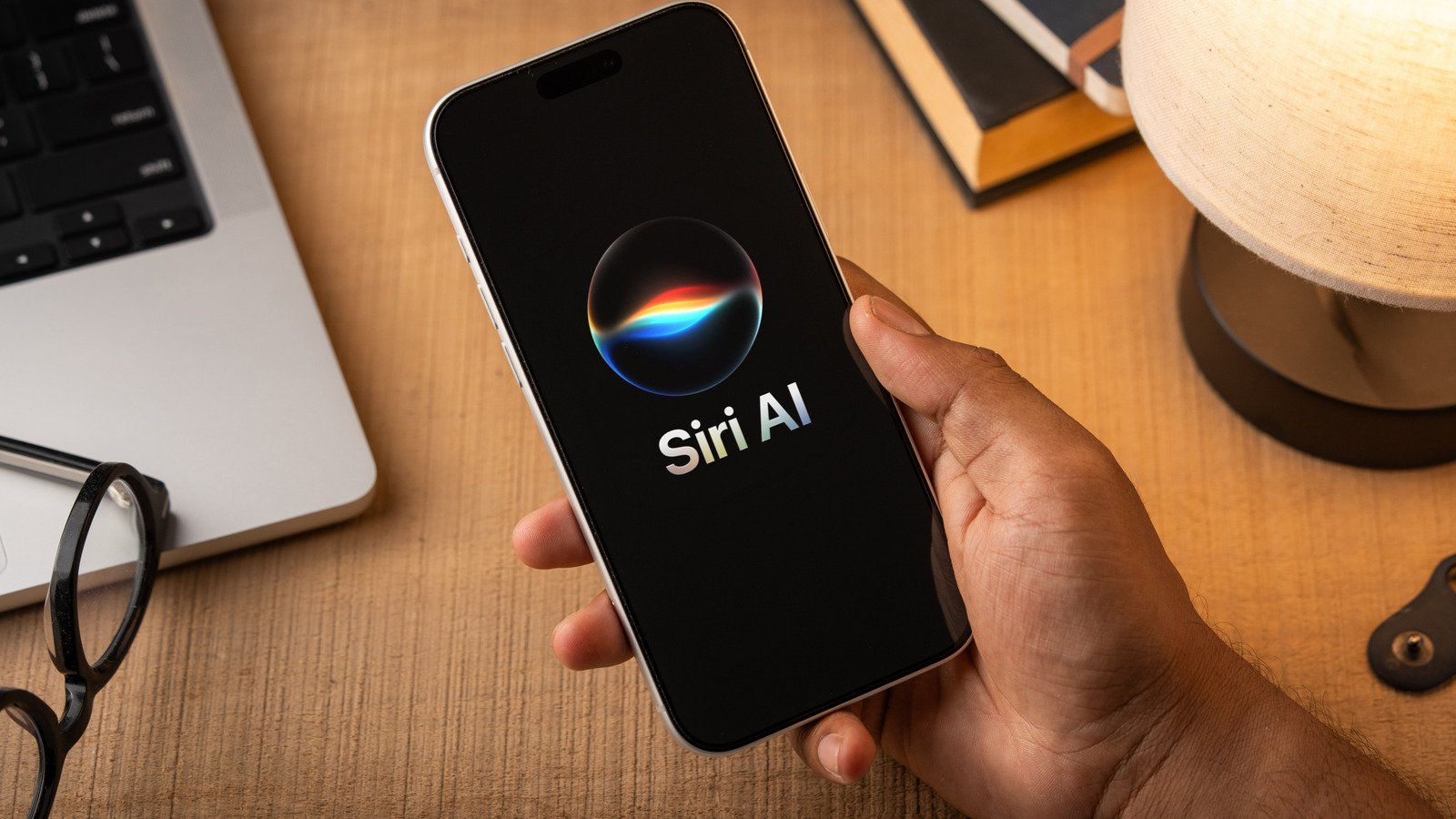
The release of iOS 27 in September 2026 marked a significant milestone for Apple, introducing a suite of advanced features including sophisticated photo-editing tools and enhanced child safety protocols. At the forefront of this update is the revamped Siri AI, a project designed to modernize the legacy voice assistant with generative capabilities. Despite the widespread rollout of the operating system, access to the new Siri AI remains restricted behind a request-based waitlist system. As Apple continues to label the service as a beta offering, users are navigating varying wait times, highlighting the technical challenges inherent in deploying large-scale artificial intelligence across a global device ecosystem.
The Mechanics of the Siri AI Waitlist
Apple’s implementation of the new Siri AI is not an instantaneous activation for all compatible hardware. Users must manually request access by navigating to the Settings menu, selecting the Siri interface, and tapping the option labeled “Try Siri AI (Beta).” This process initiates an enrollment phase where the device communicates with Apple’s servers to determine eligibility and authorize access.
Technically, the waitlist acts as a throttle for server capacity. By managing the number of concurrent users accessing the AI processing clusters, Apple aims to maintain system stability. The duration of this waiting period appears highly variable, with reports indicating that some users gain access within hours, while others remain on the list for several days or even weeks. This unpredictability is consistent with the phased rollout strategy often employed by technology firms to monitor system load and identify potential performance bottlenecks before a full-scale public release.
Infrastructure Demands and Device Optimization
One of the primary factors contributing to the delay in activation is the significant background processing required by iOS 27. When a user installs the update, the iPhone performs a comprehensive indexing of local storage to prepare the device for the enhanced retrieval capabilities of the new Siri. This process, often identified by an “Optimizing Search and Siri” banner in the settings, involves creating a complex table of contents for the user’s data, ensuring the AI can access personal information securely and efficiently without relying solely on cloud-based queries.
This indexing phase is a resource-intensive operation that requires local hardware utilization. Devices with larger storage capacities or extensive media libraries may require more time to complete this optimization. Apple’s architecture prioritizes these local processes to uphold its commitment to privacy and data security, keeping as much computation as possible on the device. Consequently, until the phone completes its internal re-indexing, the Siri AI system may remain in a pending state to prevent conflicts between the OS installation and the new AI service layer.
Language Support and Regional Phasing
The current iteration of Siri AI in iOS 27 is optimized primarily for English-language inputs. This limitation is a technical constraint common to large language model (LLM) deployments, which require rigorous training and validation for different linguistic nuances, syntax, and cultural context. While English users are currently experiencing the initial rollout, Apple has announced that support for Spanish, Japanese, Korean, French, and Portuguese is scheduled for an October 2026 expansion.
This regional and linguistic sequencing is a standard practice for international software deployments. By isolating the rollout to English, Apple can fine-tune the model’s accuracy and latency, ensuring that the transition from a traditional command-based assistant to a generative AI interface is reliable. Users in non-English regions are currently excluded from the initial waitlist, a design choice intended to manage the scale of the deployment and ensure that the AI performance meets quality benchmarks before entering diverse language markets.
Consumer Response and System Expectations
The variance in wait times has sparked significant discussion across community forums like Reddit and Apple’s official support channels. While some users report frustration regarding the lack of transparency in the waitlist status, others acknowledge the complexities of transitioning such a widely used service. The technical reality of managing a global rollout for millions of devices simultaneously presents a unique challenge, and many users are treating the wait as a necessary phase for system calibration.
Apple has remained largely silent regarding specific waitlist metrics, with support representatives reporting that they lack visibility into the queue status. This lack of information has fueled speculation about how Apple determines access priority—whether it is based on hardware specifications, geography, or randomized selection. Regardless of the underlying logic, the shift in user expectations reflects the reality of modern software-as-a-service (SaaS) models, where updates are no longer final, static products, but iterative, cloud-connected utilities.
Future Implications for iOS AI Integration
The ongoing rollout of Siri AI represents a shift in Apple’s broader software strategy. By moving toward a model that requires continuous server-side authorization and periodic feature updates, Apple is aligning its mobile operating system with more dynamic computing environments. The success of the Siri AI rollout serves as a test case for how the company will handle future, more advanced AI integrations.
As the beta phase concludes and the service expands into more languages, the focus will likely shift from availability to performance and utility. For now, the “wait” is a functional component of the deployment process, serving to protect the integrity of the ecosystem during a period of fundamental architectural change. Users who remain in the queue are observing a transition that defines the next generation of mobile interaction, balancing high-speed innovation with the deliberate pacing required for enterprise-level stability.
Disclaimer: This content is auto-generated for informational purposes only.
Source: Read Original News