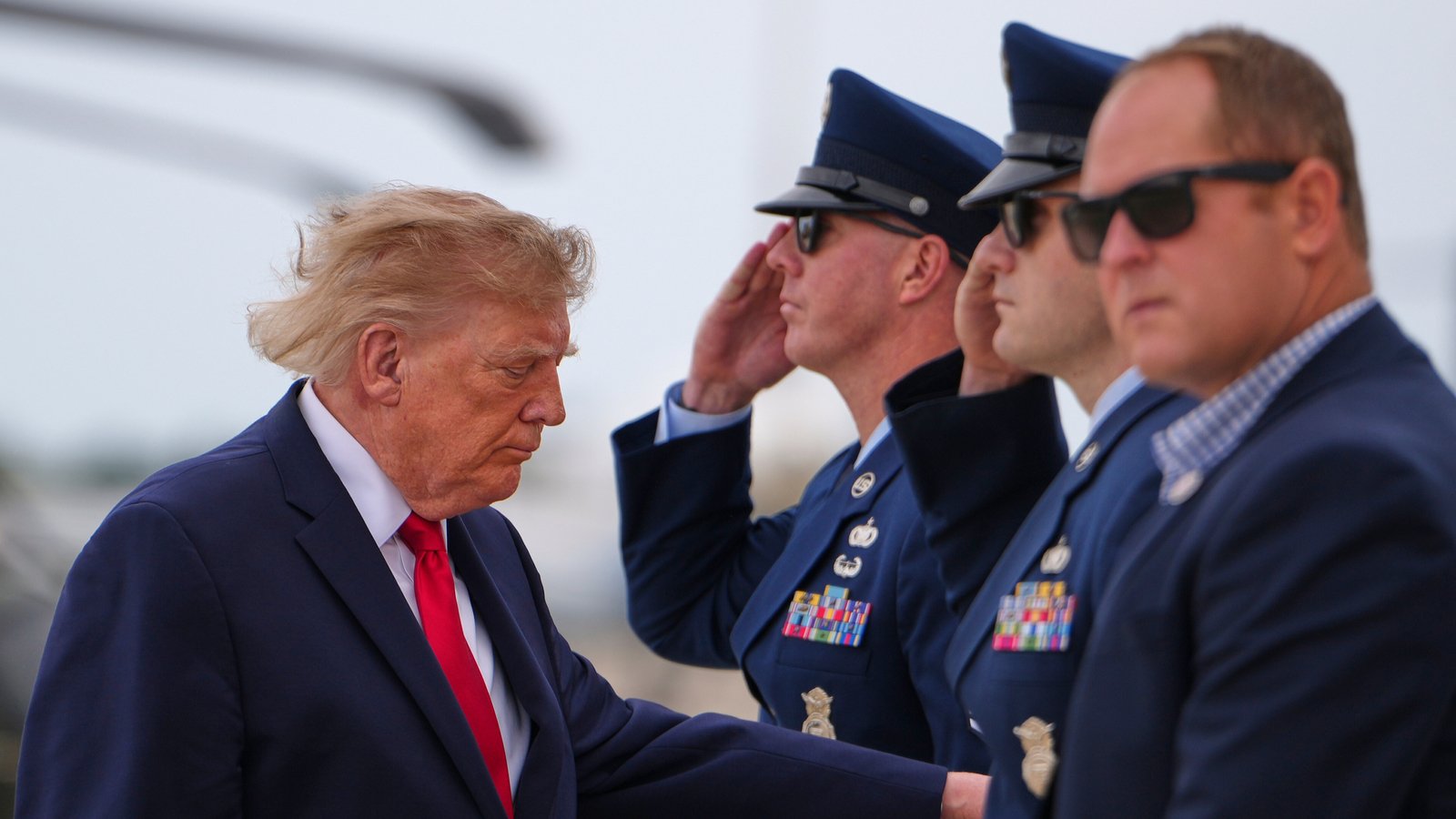



WASHINGTON — U.S. President Donald Trump formally rejected a high-stakes proposal from Iran on Saturday that would have seen the reopening of the vital Strait of Hormuz in exchange for significant concessions from Washington.
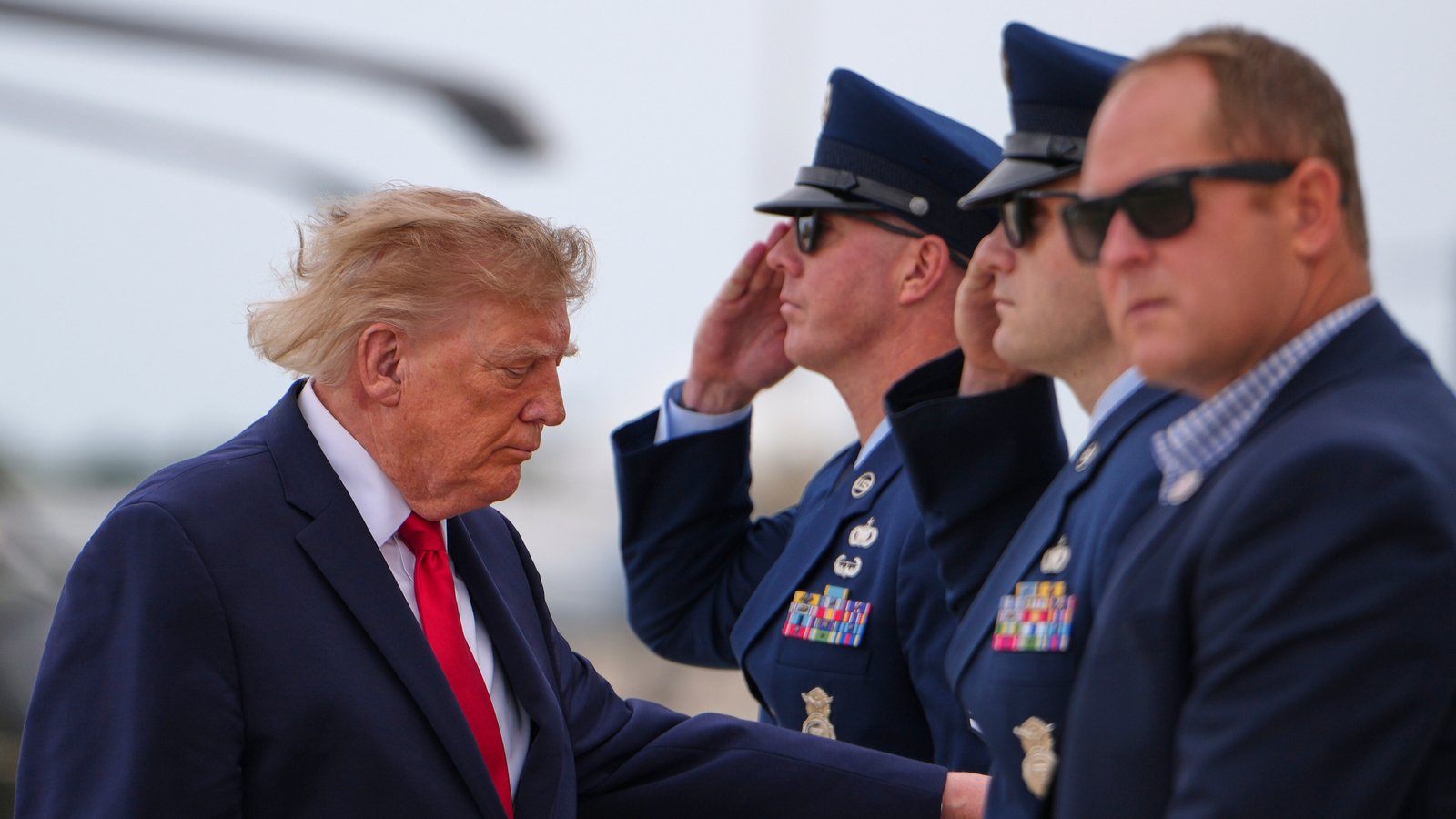
The rejection came shortly before the President departed the White House for a college football game. The offer, which had circulated earlier this week, proposed that Tehran would unblock the strategic waterway and resume stalled nuclear negotiations within seven days. In return, Iran demanded that the United States lift its naval blockade on Iranian ports, waive long-standing sanctions on oil sales, and commit to a ceasefire that would encompass Lebanon.
The administration’s stance was signaled clearly early Saturday morning when President Trump posted an image on his Truth Social platform depicting the Strait of Hormuz labeled as the “Trump Strait.” The move serves as a defiant public retort to the Iranian overture, which had suggested that a deal could prove politically beneficial to Trump ahead of the upcoming midterm elections.
The diplomatic impasse unfolded as Iranian President Masoud Pezeshkian departed New York following the annual United Nations General Assembly. While Pezeshkian had used the international stage to push back against Trump’s previous threats to “annihilate” the Islamic Republic, he maintained that Tehran remained open to continued diplomacy.
The geopolitical landscape remained volatile elsewhere in the Middle East. Saudi Arabia’s military reported that it intercepted a ballistic missile early Saturday, which it attributed to Iran-backed Houthi rebels in Yemen. The projectile was reportedly aimed at the southwestern Saudi city of Khamis Mushait. The Gulf Cooperation Council condemned the launch as a “grave escalation,” heightening concerns that the regional conflict is expanding beyond the current standoff between the U.S. and Iran.
Amidst the regional instability, Iranian President Pezeshkian attempted to project domestic stability. Speaking in an interview set to air Sunday, the Iranian leader—who is also a physician—dismissed concerns regarding the health of Supreme Leader Mojtaba Khamenei. Khamenei has remained absent from public view since the conflict with the U.S. and Israel began in February. Pezeshkian asserted that, from a medical perspective, the Supreme Leader is “completely healthy” and capable of managing the state’s affairs.
In other regional developments, the Iraqi government has engaged in direct talks with the U.S. to secure sanctions exemptions for Iranian airlines. Baghdad stated the request is driven by humanitarian necessity, aiming to facilitate flights for medical treatment, education, and religious pilgrimages to sites like Karbala and Najaf.
Meanwhile, tensions in the West Bank continued to escalate as rights groups reported that Israeli settlers have seized additional water sources. In the Jordan Valley, reports indicate that a water pipe supplying a Palestinian village was severed and redirected to a settler-controlled pool, exacerbating the struggle for resources in the occupied territory.
As the situation develops, the White House has maintained that U.S. officials continue to hold “positive and constructive” conversations with regional mediators.
Disclaimer: This content is auto-generated for informational purposes only.
Source: Read Original News