







Ontario is facing a pivotal moment in its environmental trajectory as the provincial government prepares to address mounting pressures on its natural resources and urban infrastructure. With a population continuing to expand, particularly within the Greater Toronto Area (GTA), the tension between rapid residential development and the preservation of vital ecosystems has reached a critical juncture.
The province’s current planning landscape is characterized by a push for increased housing supply, which has ignited intense debates over the protection of the Greenbelt. Conservationists argue that large-scale development on protected lands threatens biodiversity, disrupts natural drainage systems that mitigate flood risks, and compromises the carbon-sequestering potential of local forests and wetlands. Conversely, policymakers cite the urgency of the housing crisis, framing land use as a necessary trade-off to accommodate a growing workforce.
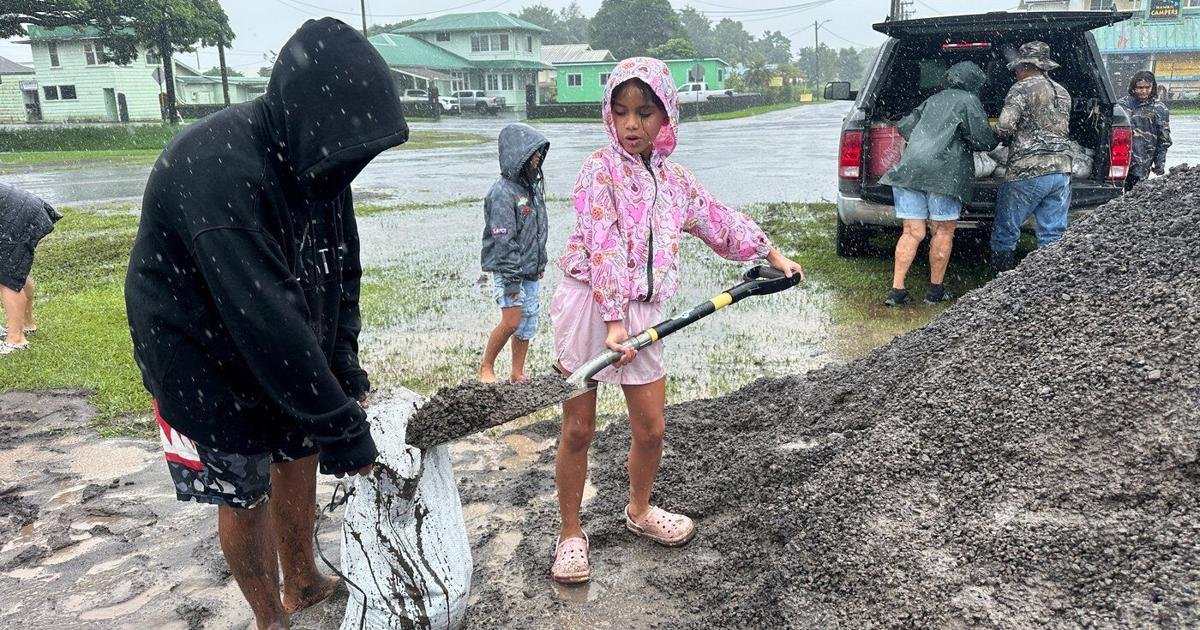
Beyond the immediate concerns of land conversion, Ontario’s environmental strategy is currently being stress-tested by the escalating impacts of climate change. Recent weather patterns across the province have signaled a shift, with more frequent extreme heat events and intense storm systems placing heavy demands on municipal infrastructure. Aging stormwater management systems, designed for the climatic norms of the previous century, are increasingly struggling to cope with the rapid runoff associated with intensified precipitation. This has led to mounting economic costs associated with property damage and the degradation of local watersheds.
Water security and quality also remain at the forefront of provincial environmental discourse. As urban footprints expand into formerly agricultural and forested land, the health of the Great Lakes basin becomes a subject of heightened scrutiny. Runoff from construction sites, combined with the loss of natural buffers, introduces sediments and pollutants into vital tributaries. Experts emphasize that the integrity of Ontario’s water supply relies not only on treatment technology but on the preservation of the natural landscapes that act as nature’s filters.
Transitioning toward a sustainable future involves reconciling these competing interests through modern policy frameworks. There is growing consensus among environmental scientists that “smart growth”—which prioritizes higher-density housing within existing urban boundaries—is essential to curbing the province’s reliance on sprawl. By focusing development inward, Ontario could theoretically alleviate housing shortages while maintaining the structural integrity of its surrounding ecosystems.
However, implementation remains the primary hurdle. Local municipalities are finding it increasingly difficult to balance the administrative mandates of the provincial government with the vocal demands of residents seeking to protect local air quality, green space, and wildlife corridors. As regional planning bodies grapple with these directives, the role of public oversight and evidence-based environmental reporting has never been more significant.
The challenge for Ontario in the coming fiscal cycle will be to harmonize economic growth with the reality of ecological limits. As the province continues to track demographic shifts and resource consumption—often captured in the granular data of regional zip codes and municipal growth plans—the ability to pivot toward a circular, climate-resilient economy will define its environmental legacy. Observers are watching closely to see whether the current legislative priorities will continue to prioritize traditional expansion or if they will shift toward a more conservative, long-term stewardship model that safeguards the natural beauty and stability of the province for future generations.
Disclaimer: This content is auto-generated for informational purposes only.
Source: Read Original News