






The Economic Drivers Behind Consumer Appliance Price Hikes
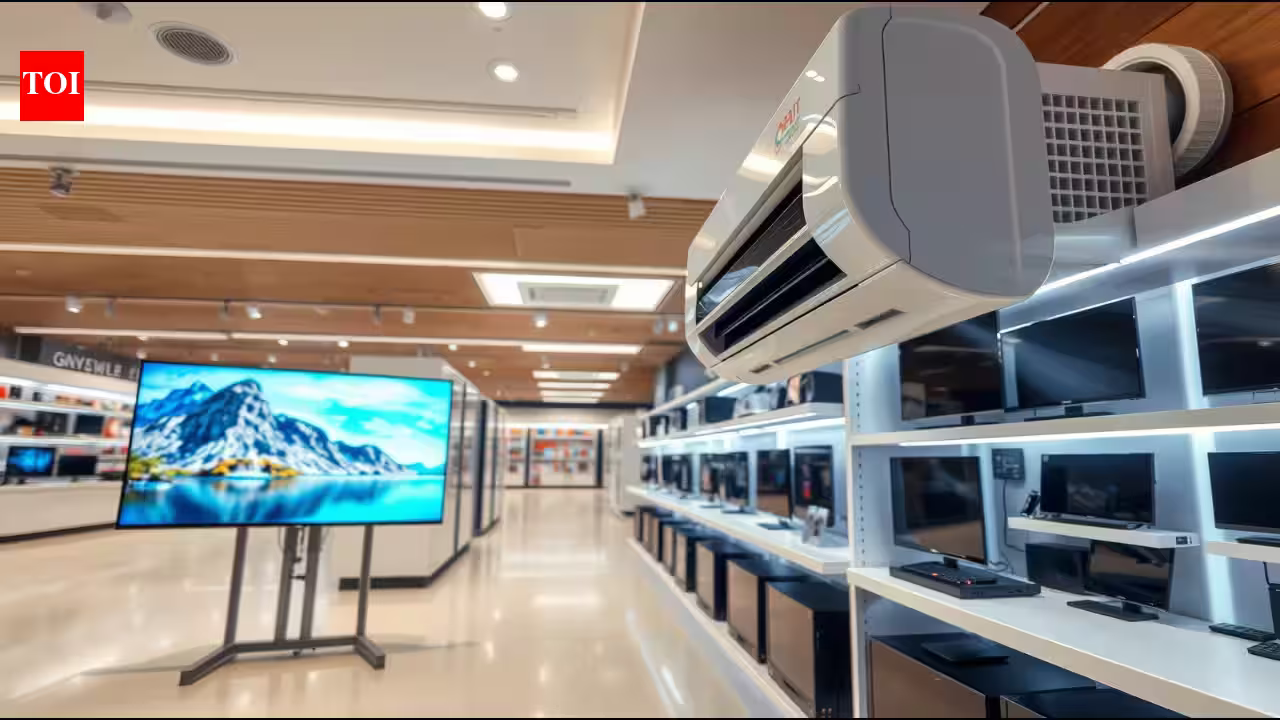
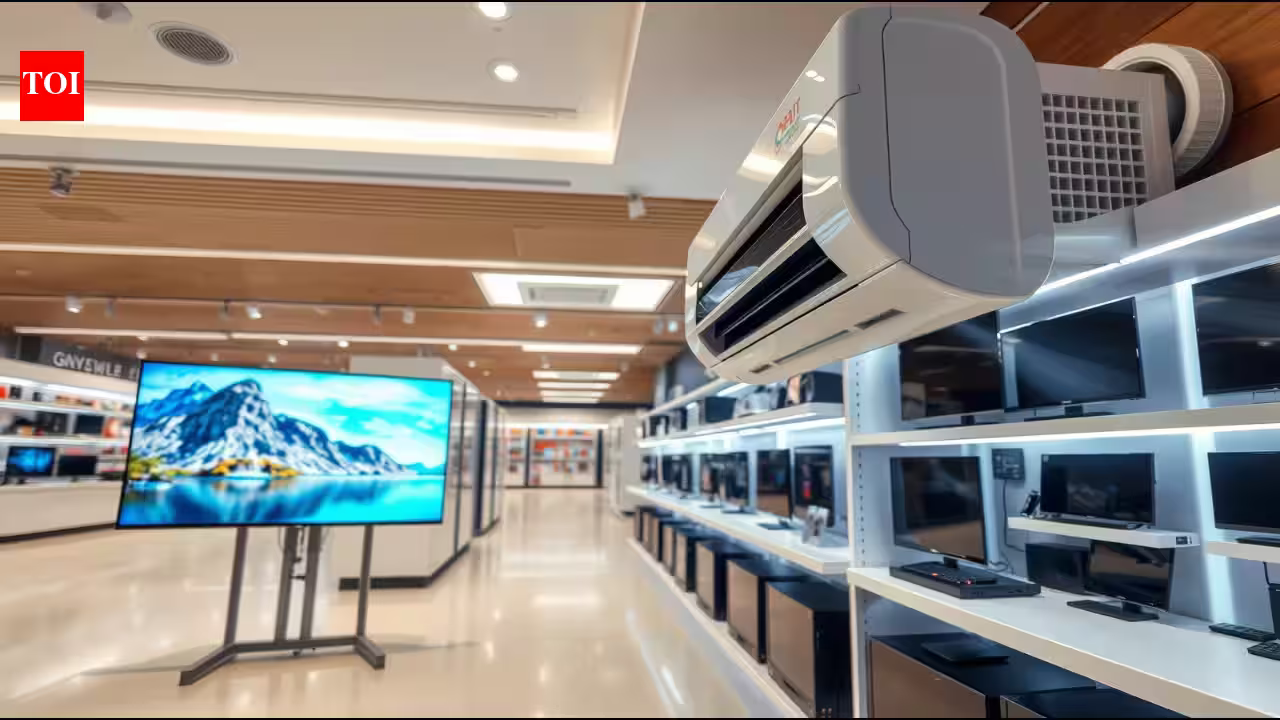
The Indian consumer durables sector, which plays a pivotal role in the nation’s retail landscape during the festive season, is currently navigating a period of significant price volatility. As consumers prepare for the peak purchasing window spanning from Navratri to Diwali, major manufacturers have confirmed a third round of price hikes for 2026, set to take effect from October. Leading brands such as Blue Star, Daikin, Haier, and Godrej Appliances are signaling increases ranging from 3% to 8% across air conditioners, refrigerators, washing machines, and LED televisions. This shift is not a result of opportunistic pricing but rather a direct response to a convergence of adverse global economic pressures.
The primary catalyst for these adjustments is the sharp escalation in the cost of raw materials. Key inputs such as copper, steel, and aluminum—the fundamental building blocks of home appliances—have seen their prices climb steadily. Copper, in particular, has become a significant source of operational pressure. With an air conditioner requiring several kilograms of copper, the surge in global prices from the $8,000–$9,000 range per metric ton to upwards of $14,500 has forced manufacturers to re-evaluate their profit margins. Compounding these material costs are elevated crude derivative prices, which impact plastic components and specialized packaging, as well as rising freight expenses. Furthermore, the strengthening of the U.S. dollar against the Indian Rupee has made imports costlier, directly impacting the bottom line for firms reliant on international supply chains for critical components.
The Buffer of Existing Inventory
While the manufacturing sector faces mounting pressure, the impact on the Indian consumer during the immediate Diwali window may be somewhat mitigated by existing supply chain dynamics. In anticipation of market fluctuations, dealers and distributors proactively utilized pre-buying schemes throughout August and September. Consequently, a significant volume of inventory remains in the pipeline, procured at older, more favorable price points.
Industry experts suggest that this buffer will likely insulate the retail market through the festive peak. For many consumers, the prices seen on store shelves during October and early November may not fully reflect the latest hikes. This creates a temporary window where demand could remain resilient, as the market processes the transition to a higher pricing regime. However, this is largely viewed as a temporary stay. Once the current inventory is cleared, the retail sector will inevitably align with the new manufacturer-set prices. This post-Diwali transition marks the point where the macroeconomic realities of 2026 will be fully realized by the end user, potentially leading to a deceleration in discretionary spending as the year draws to a close.
Strategic Responses and Long-term Margin Protection
Manufacturers are adopting varied strategies to manage the fallout of these cost increases. For some companies, such as Haier, the approach involves a phased implementation of price corrections. Their strategy includes a 5% increase in October, followed by potential subsequent hikes in December and January. This strategy aims to manage the sticker shock for consumers while ensuring the company maintains its viability amidst sustained commodity volatility. Other firms, such as Daikin, have moved more aggressively, having already instituted hikes of up to 10% in mid-September to protect their margins against the volatility of the dollar and rising base metal prices.
The industry is in a difficult position where the choice is between compromising profitability or risking a dip in sales volume. Leaders within the sector have emphasized that there is little room left to absorb these costs. For manufacturers of consumer electronics, especially in the television segment, the situation is further complicated by rising panel costs and transportation logistics. Smaller screen televisions may see steeper percentage increases due to the higher sensitivity of entry-level pricing to input costs, while larger screens, which offer higher margins, may see more moderate, yet still noticeable, adjustments.
The Global Landscape and Supply Chain Fragility
The current pricing climate in India is a microcosm of broader global instability. The ongoing conflict in West Asia and its subsequent impact on maritime routes and freight reliability have introduced a layer of unpredictability into the supply chain. Rising energy costs and geopolitical friction are forcing a structural reset in how companies manage their inventory and pricing cycles. For the Indian market, which is highly sensitive to price fluctuations, this transition represents a significant shift from the relatively stable pricing models of previous years.
Furthermore, the volatility of the currency exchange rate continues to challenge domestic manufacturers who import critical components like semiconductors or advanced compressors. As these companies recalibrate their cost structures, they are finding that the “old normal” of stable, predictable input costs is no longer tenable. Manufacturers are now building “pricing agility” into their operational strategies, moving away from annual pricing models toward quarterly or even monthly reviews of their wholesale rates. This responsiveness is necessary for survival but places a consistent upward pressure on the final retail price paid by the Indian household.
Outlook for the Post-Festive Season
The period following Diwali is expected to be a critical juncture for the consumer durables industry. With the initial festive enthusiasm waning and the full weight of the new, higher prices reaching the consumer, market demand will face its most significant test. Analysts are closely monitoring whether the current price hikes will trigger a period of market contraction or if the long-term upward trajectory of the Indian middle-class aspirations will sustain current volume levels.
While the immediate festive sentiment remains guarded by the influx of older inventory, the long-term health of the sector depends on how effectively manufacturers communicate value to the consumer. For the average buyer, the choice between high-efficiency, premium appliances and budget-oriented alternatives will become more pronounced. Companies are likely to lean heavily into financing schemes and promotional offerings to offset the price increases. Nevertheless, the reality of the 2026 market is defined by a shift toward higher price benchmarks, reflecting a global environment characterized by scarcer resources and higher logistics costs. As the industry moves into the winter months, the focus for both manufacturers and retailers will shift from aggressive expansion to maintaining stability in a high-cost environment, ensuring that they can weather the impact of sustained commodity pressure while maintaining their position in the Indian market.
Disclaimer: This content is auto-generated for informational purposes only.
Source: Read Original News