








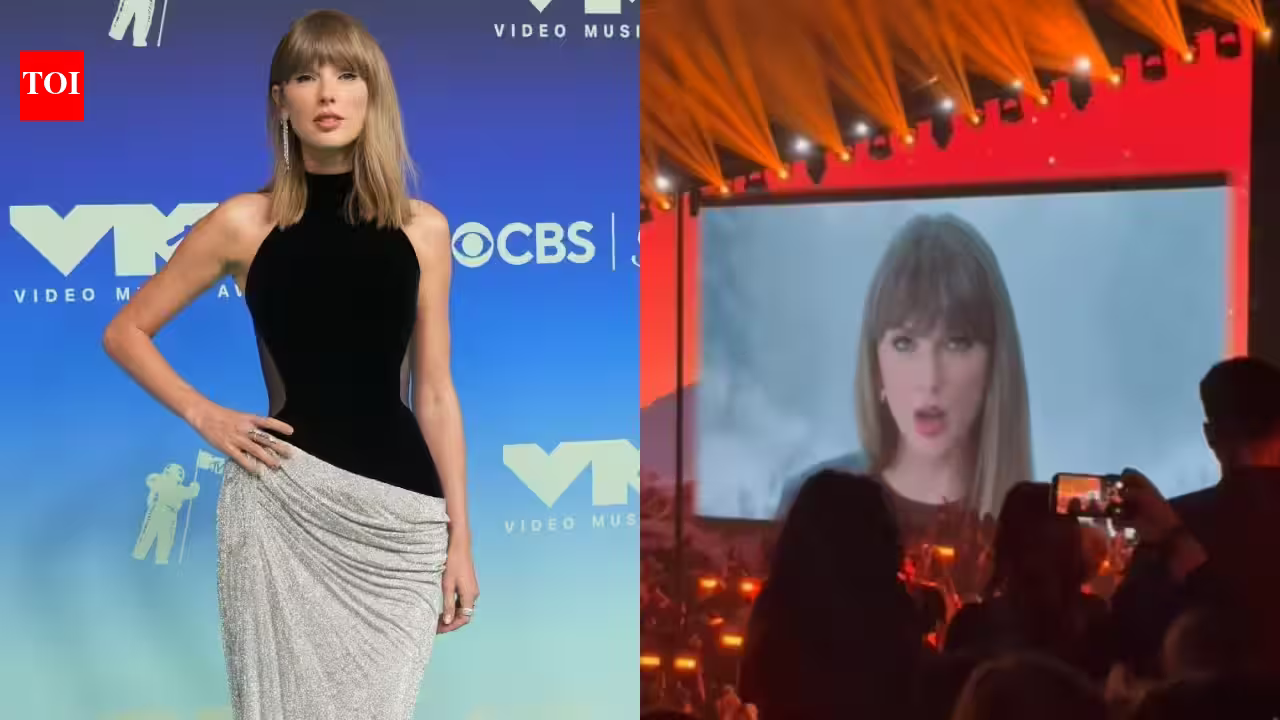
The air at the 2026 MTV Video Music Awards was already thick with the kind of electric anticipation that only follows a global superstar, but when the lights dimmed and the stage transformed, it became clear that we were witnessing a definitive shift in the pop culture landscape. Taylor Swift, a perennial heavyweight in the music industry, didn’t just attend this year’s ceremony—she recalibrated the bar for what it means to be an “artist” in the modern age.
With the unveiling of the inaugural Artist Director Honors, MTV acknowledged what the industry has known for some time: Swift has successfully transitioned from being a pop star who appears in videos to a filmmaker who shapes them. As she stepped onto the stage to accept the trophy, presented by none other than her collaborator and the lead star of her new visual, Dakota Johnson, the message was clear. This wasn’t just an award for hits; it was an award for vision.
A Legacy Written in Frames
“I got to start making music videos and being a part of music videos twenty years ago,” Swift remarked, her voice echoing through an arena filled with the rapt attention of her peers. It is a staggering statistic when laid out plainly: 60 music videos, with 18 written and directed by her own hand.
For years, the conversation surrounding Swift focused on her lyrics, her bridges, and her ability to capture the zeitgeist through melody. But as she stood under the VMA lights, she pivoted the spotlight to the grueling, meticulous work behind the camera. The Artist Director Honors was created specifically to recognize artists who use the medium of the music video to push visual storytelling to its breaking point. Swift, by bridging the gap between narrative cinema and pop music, has become the archetype for this evolution. She spoke not as a performer, but as a student of the craft, graciously acknowledging that every project over the last two decades served as a lesson in cinematography, pacing, and visual language.
The Fan-Driven Creative Loop
Perhaps the most poignant moment of her speech was when she shifted the credit away from herself and toward her base. In an industry that often treats fan engagement as a marketing tactic, Swift framed her creative process as a collaborative dialogue. “The main reason why I love writing and directing music videos so much is because you, the fans, make it so much fun,” she said.
It is a symbiotic relationship that has defined her career. Where other artists release a video and move on to the next single, Swift’s projects turn into interactive puzzles—easter eggs, cryptic lore, and visual metaphors that fans dissect for months. By turning her audience into active participants rather than passive consumers, she has turned every release into an event. When she told the crowd that the fans make the work “rewarding because you actually care,” it felt less like a platitude and more like an acknowledgment of the shared world they have built together over the last twenty years.
‘Patient Zero’: A Cinematic Shift
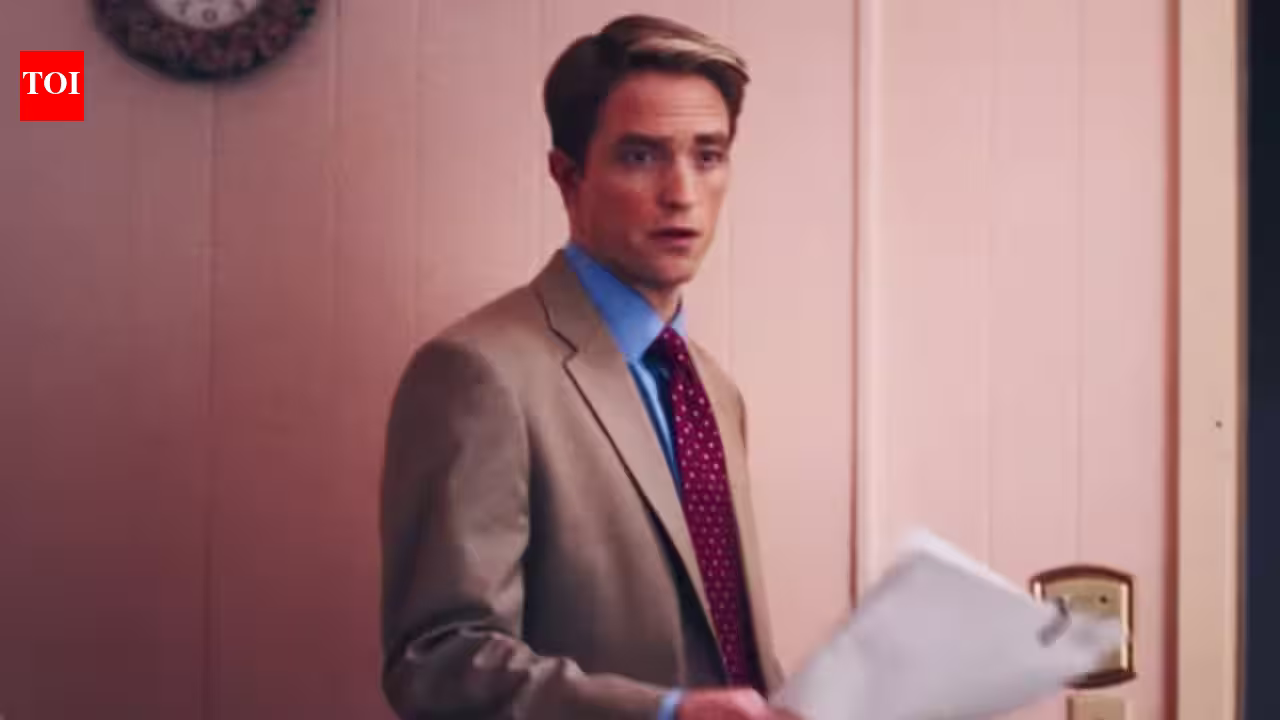
The climax of the evening came when the formalities ceased and the screen turned dark for the world premiere of “Patient Zero.” As the lead single from the expanded edition of her latest project, The Life of a Showgirl: The Encore, the video served as a masterclass in tone and performance. Starring Dakota Johnson and Colin Farrell, the video—directed by Swift herself—shied away from the neon-soaked, fast-cut editing often seen in modern pop visuals. Instead, it leaned into a grounded, cinematic tension that felt more akin to high-end festival dramas than a standard VMA performance piece.
The collaboration with Johnson and Farrell suggests a new chapter in Swift’s creative direction: a movement toward narrative weight. By casting acclaimed actors in key roles, Swift is signaling that her music videos are no longer just accompaniment to her songs; they are distinct, standalone short films. The aesthetic shift in “Patient Zero” suggests she is moving away from the “era” branding of the past and toward a more mature, auteur-driven style of visual storytelling.
Breaking the Ceiling
History was made long before the show reached its conclusion. Entering the night tied with Beyoncé at 30 VMA wins, the receipt of the Artist Director Honors pushed Swift to 31, cementing her position as the most awarded solo artist in the history of the event. It is a milestone that puts her in rarified air, but the nature of the award itself is what makes this record different.
She isn’t just winning for “Video of the Year” or “Best Pop.” She is winning for the totality of her contribution to the art form. The industry is currently in a state of flux, with streaming algorithms and short-form content demanding that artists make smaller, faster, and more disposable content. Swift, conversely, is doubling down on the “event” video, investing in production value and narrative depth at a time when many of her contemporaries are scaling back.
As the ceremony wrapped and the buzz around “Patient Zero” began to dominate social media, one thing became abundantly clear: Taylor Swift has effectively outgrown the traditional constraints of a pop star. She is now an architect of a multimedia empire, and if her history of constant reinvention is any indicator, she is only just beginning to show us what she can do when she’s behind the lens. The VMA stage may have been her home for two decades, but last night, she proved that she is no longer just playing in the sandbox of the music industry—she is building the entire playground.
Disclaimer: This content is auto-generated for informational purposes only.
Source: Read Original News