







The landscape of high-performance automobiles has undergone a radical transformation. Where high-speed capability was once the exclusive domain of exotic internal combustion engines, modern electric vehicles (EVs) have effectively seized the crown. By providing instantaneous torque and eliminating the latency of mechanical gear shifts, these machines achieve acceleration figures that were previously reserved for elite hypercars. Today, a growing roster of EVs, ranging from compact crossovers to luxury sedans, can sprint from zero to 60 miles per hour in under 3.5 seconds.
The Rise of Electric Performance
The transition to electric powertrains has simplified the path to rapid acceleration. In traditional vehicles, achieving supercar-level acceleration requires sophisticated launch control, high-displacement engines, and complex multi-gear transmissions to keep the engine in its power band. EVs bypass these mechanical hurdles by delivering maximum torque the moment the accelerator is engaged. This efficiency has trickled down from hypercars to family-oriented platforms. Vehicles like the Volvo EX30 Twin Motor Performance demonstrate that this performance is no longer restricted to expensive, low-volume models. While some of these vehicles prioritize straight-line speed over track-ready handling, the impact on everyday driving dynamics is undeniable.
Entry-Level Speed and Practicality
Volvo’s EX30 Twin Motor Performance acts as a gateway to this new tier of performance. Delivering 422 horsepower, it hits 60 miles per hour in 3.4 seconds, outperforming many established sports cars. However, it highlights a common trade-off in the current market: the balance between high-output motors and battery range. With a 69-kWh battery, its real-world highway range is limited, making it a specialized choice for those who value urban sprinting over long-distance touring. Similarly, the Chevrolet Blazer EV SS offers a massive 615-horsepower output and a 3.4-second sprint time, providing a more balanced alternative with a 102-kWh battery that offers over 300 miles of range, making it a viable daily driver for those requiring more utility.
Luxury and Engineering Refinement
Moving into the premium segment, vehicles like the Cadillac Lyriq-V and the Porsche Macan Turbo Electric showcase how luxury manufacturers integrate extreme performance with sophisticated chassis tuning. The Lyriq-V, sharing a platform with the Blazer EV SS, utilizes adaptive valve-based dampers and summer tires to manage its 6,062-pound curb weight, ensuring that the 3.3-second acceleration is matched by stable cornering. Porsche takes this further with the Macan Turbo Electric. By incorporating torque vectoring and electronic limited-slip differentials, the Macan demonstrates that electric performance can be surgically precise. Even with a sub-3.0-second sprint, these vehicles remain focused on providing a comfortable and premium cabin experience, utilizing advanced materials and large-scale digital interfaces.
Muscle Car Evolution and Dynamic Handling
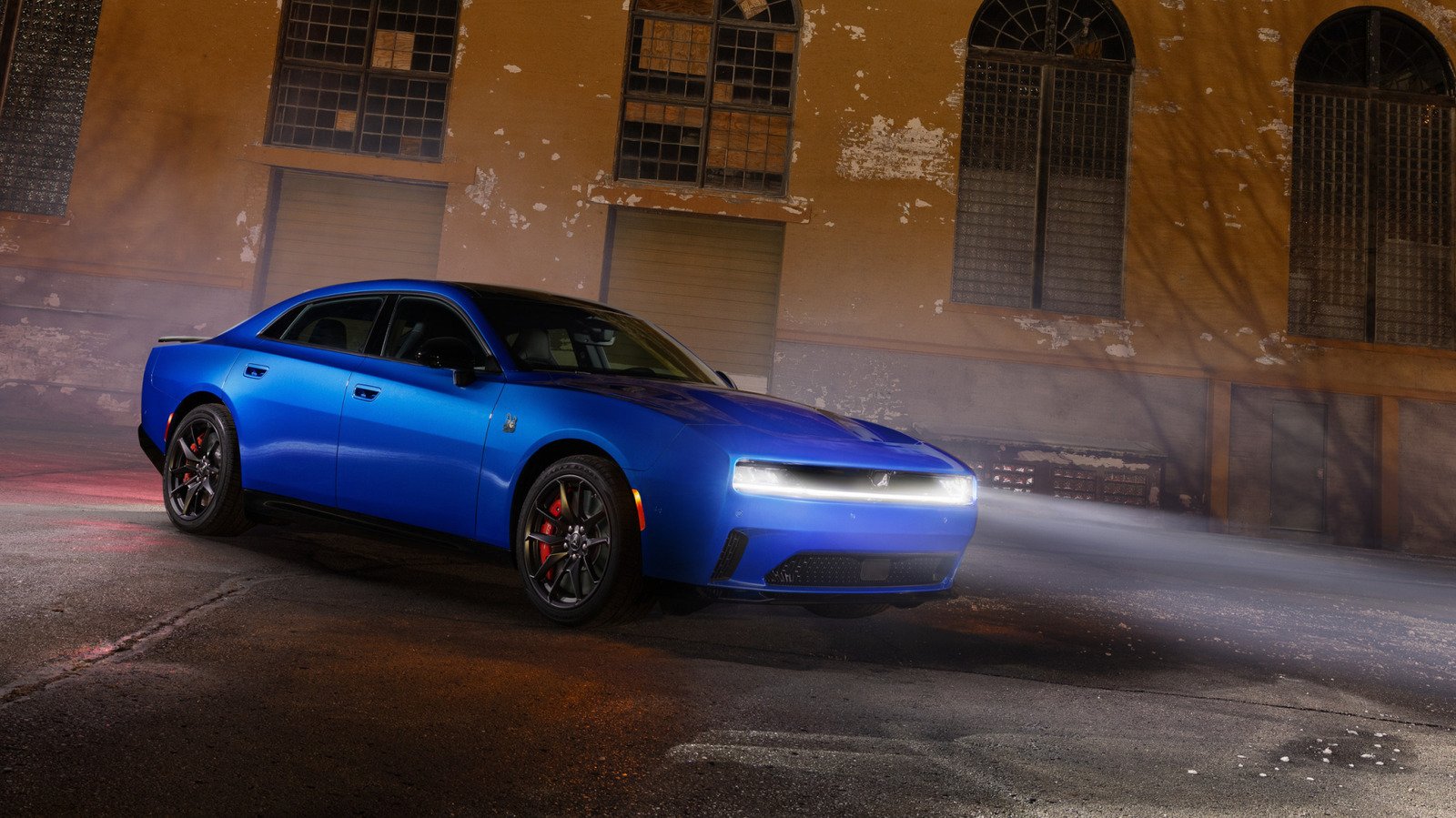
The definition of “muscle” is also changing. The Dodge Charger Daytona Scat Pack attempts to bridge the gap between traditional performance culture and the electric future. While it lacks a V8 engine, it replicates the experience through simulated exhaust notes and haptic cabin vibrations. It is capable of hitting 60 miles per hour in 3.3 seconds, relying on its all-wheel-drive traction to outperform traditional combustion-based muscle cars. Meanwhile, the Hyundai Ioniq 5 N represents a different philosophy. Rather than mimicking the past, it focuses on driver engagement. By using variable torque distribution and simulated gear shifts, it provides a highly customizable experience that has set a new standard for how engaging an electric performance car can be.
Dominating the Hypercar Territory
At the pinnacle of the segment, the figures become nearly surreal. The Rivian R1T Quad, the Audi RS e-tron GT performance, and the Porsche Cayenne Turbo Electric push the boundaries of what mass-produced vehicles can achieve, with some models recording 0-to-60 times as low as 2.1 seconds in real-world testing. These machines utilize advanced thermal management systems to handle the extreme energy discharge required for such rapid acceleration. The Rivian R1T stands out by offering this performance in a versatile truck chassis capable of genuine off-road exploration.
The Current King of Acceleration
The Lucid Air Sapphire currently stands as the benchmark for production electric performance. Utilizing a tri-motor drivetrain that generates 1,234 horsepower, it achieves a 0-to-60 time of 1.89 seconds. Beyond the raw speed, the vehicle is engineered with a track-tuned suspension and ceramic brakes to manage the immense forces involved in such rapid deceleration and cornering. While its price point reflects its status as a specialized high-performance machine, it serves as a technical showcase of the efficiency of electric motors. With the ability to combine these figures with a range exceeding 400 miles, the Lucid Air Sapphire effectively proves that the future of automotive performance is not just fast—it is also incredibly efficient.
Disclaimer: This content is auto-generated for informational purposes only.
Source: Read Original News