








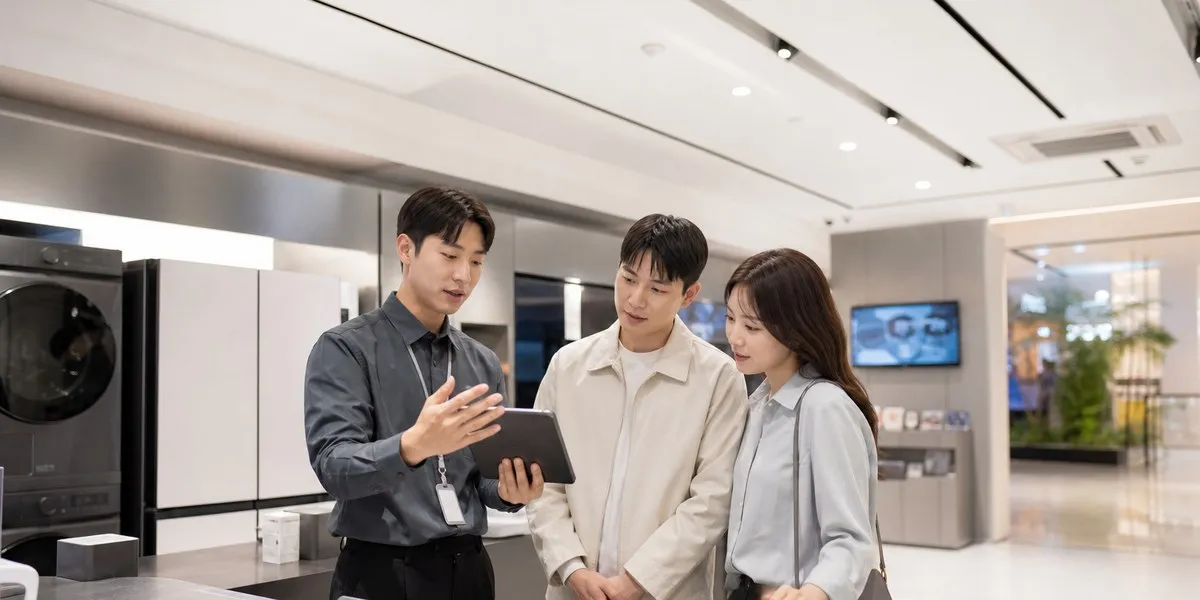
Samsung Electronics is making a massive push into the subscription-based appliance market in South Korea, signaling a broader strategic pivot that blends hardware ownership with long-term service models. The company, which is now seeing its subscription revenue approach the 1 trillion won ($740 million) milestone, is aggressively expanding its offerings for both high-level corporate clients and everyday residential users.
By shifting away from traditional one-time retail transactions, Samsung is creating a predictable, recurring revenue stream while solidifying its footprint in commercial sectors such as hospitals, hospitality, financial institutions, and government housing projects.
Scaling Up Corporate Appliance Solutions
For corporate entities, the appeal of Samsung’s model lies in the financial flexibility and operational support it provides. Large-scale clients can now distribute the capital expenditure of purchasing expensive appliances across the entire lifespan of a multi-year contract. Beyond the financial benefits, the core value proposition is the “BluePass” maintenance program.
This program serves as a comprehensive safety net for business operations. Corporate subscribers gain access to priority scheduling, which includes guaranteed engineer site visits within 48 business hours for urgent malfunctions. Furthermore, the company is assigning dedicated account specialists to individual worksites, ensuring that large-scale operations—such as residential dormitories or social housing developments—remain functional without the headaches of sourcing independent repair labor. By bundling hardware with six years of free after-sales maintenance, Samsung is effectively positioning itself as a strategic partner rather than just a product manufacturer.
The Rise of ‘Samsung AI Subscription’
On the consumer front, Samsung is undergoing a significant rebranding exercise. The service is being transitioned under the umbrella of “Samsung AI Subscription,” a moniker designed to highlight the intelligence integrated into modern home appliances. This is not merely a marketing label; it is a direct nod to the company’s SmartThings ecosystem.
The AI-driven appliances included in these subscriptions are designed to be proactive rather than reactive. By utilizing connectivity features, these devices can monitor their own operational health, notifying users and the service provider of potential mechanical failures or performance degradation before a total breakdown occurs. This predictive maintenance model aims to reduce the friction of ownership, as repairs can be scheduled when it is convenient for the homeowner, rather than during a crisis.
Tailored Services and Cost Efficiency
Samsung is also diversifying its subscription tiers to appeal to different demographics, moving away from a “one-size-fits-all” pricing structure. New packages target specific lifestyles, such as newlyweds or those who relocate frequently. These bundles include white-glove services like professional appliance inspections after a move, restoration work for built-in units, and off-hour cleaning services to accommodate busy professional schedules.
For the aging population, the company is introducing specialized support, including routine check-in calls to ensure proper device usage and automated scheduling for the replacement of filters and other consumables.
Perhaps most importantly for the bottom line, Samsung is introducing more affordable service tiers by allowing consumers to customize the frequency of engineer visits. By reducing the volume of premium, in-person service requirements for certain appliances, the company is able to drop monthly premiums significantly. For instance, a six-year air conditioning contract has seen its monthly cost drop by over 10%, falling from 92,000 won to 82,000 won.
As the tech industry continues to transition toward “everything-as-a-service,” Samsung’s move in South Korea provides a clear blueprint for how legacy hardware companies can leverage artificial intelligence and service-oriented contracts to maintain customer loyalty and secure steady, long-term growth in an increasingly competitive global market.
Disclaimer: This content is auto-generated for informational purposes only.
Source: Read Original News