








Growing Backlash: Election Commission Under Fire Amid Massive Voter Roll Verification Drive
By Arpan Chaturvedi
NEW DELHI – The integrity of India’s massive democratic exercise has come under intense scrutiny as the Election Commission of India (ECI) faces mounting accusations of systemic bias and voter exclusion. The national campaign to verify the eligibility of nearly a billion voters has ignited a fierce political firestorm, with opposition parties charging that the process is being weaponized to disenfranchise millions of citizens.
The controversy centers on the ECI’s ongoing voter roll revision, which has triggered widespread protests and calls for the resignation of Chief Election Commissioner Gyanesh Kumar.
Internal Discord and Political Allegations
The credibility of the poll body was further shaken by a recent investigative report in the Indian Express, which suggested deep-seated internal friction. According to the report, senior election commissioners had raised formal concerns with Kumar on at least 14 occasions over a ten-month period, only to have their objections disregarded.
The opposition, led by the Congress party, has characterized these internal divisions as evidence of a compromised institution. Critics argue that the current verification procedures disproportionately affect opposition strongholds, specifically in states like West Bengal and Bihar, where significant numbers of voters have suddenly found their names missing from electoral rolls.
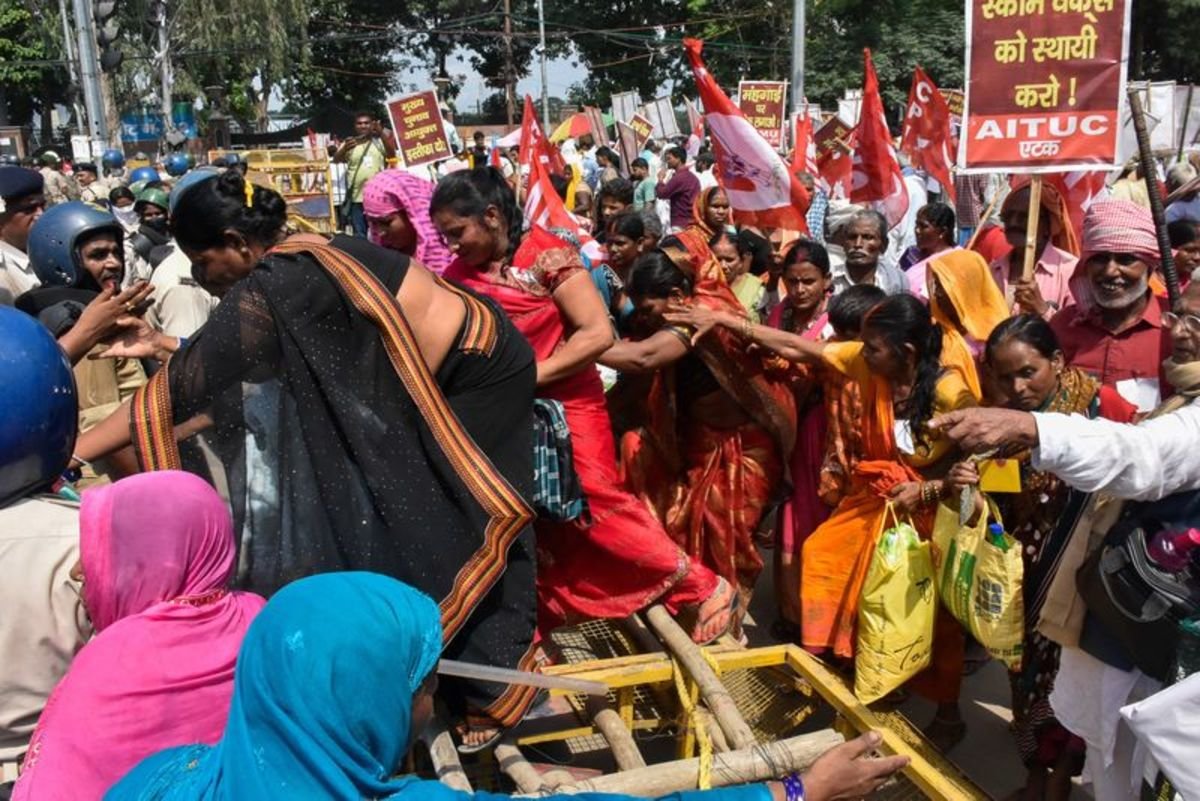
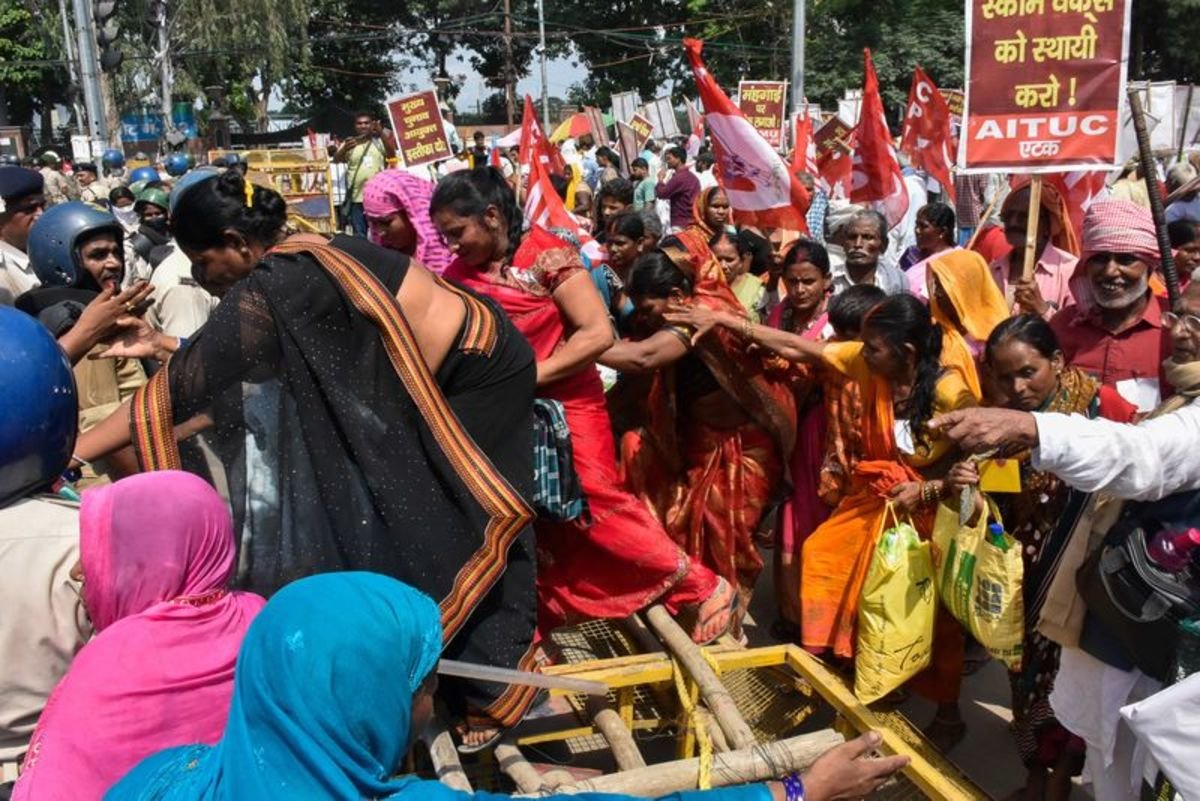
The political pressure has moved beyond parliamentary debates. The youth-led “Cockroach” movement, which recently claimed a significant political victory by forcing the resignation of the education minister, has threatened to mobilize millions for nationwide demonstrations on October 2 if Kumar does not step down.
The Scope of the Disenfranchisement
The scale of the verification drive is immense. Media reports indicate that approximately 130 million individuals were omitted from the preliminary draft lists, effectively placing the burden of proof on the voters to justify their eligibility.
The process has caught the attention of the Supreme Court, which expressed skepticism over reports that eligibility notices were being “machine-generated” without adequate human oversight. The ECI maintains that removals are strictly limited to cases of death, duplicate entries, migration, or voters who are untraceable. However, critics maintain that the bureaucratic hurdles involved in the appeals process are intentionally complex, preventing vulnerable populations from reclaiming their right to vote.
A High-Stakes Timeline
The controversy arrives at a critical juncture for Indian politics, with seven states—including the influential bellwether state of Uttar Pradesh—scheduled for elections next year. In Uttar Pradesh, recent verification efforts saw a staggering 13% of names purged from the rolls, fueling fears that similar patterns could be replicated nationally.
In response to the escalating unrest, the ECI has adopted a defensive posture. While the commission previously invited opposition leaders to submit their claims under oath, it has recently signaled a pivot toward damage control. On Saturday, the ECI announced revisions to its standard operating procedure, including mandatory home visits for document verification and extended deadlines for final enrollment in several states.
As the October 2 deadline for potential protests approaches, the ECI faces a race against time to restore public faith in its processes. For the millions currently excluded from the rolls, the resolution of this dispute will determine not just their participation in the next election, but the future stability of the democratic process in the world’s largest democracy.
Disclaimer: This content is auto-generated for informational purposes only.
Source: Read Original News