









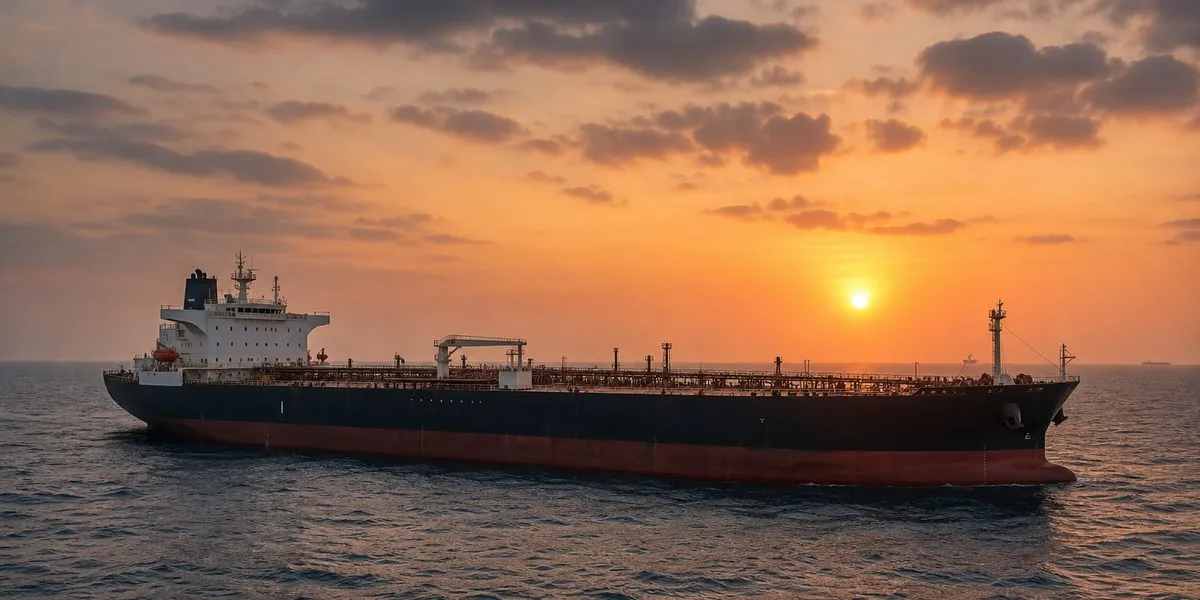
India Defies US Tariff Threats: Strategic Oil Imports Remain Untouchable
India continues to assert its energy sovereignty, signaling that it is unlikely to pivot away from Russian crude oil supplies despite the looming shadow of severe US trade penalties. As the world’s second-largest importer of Russian energy, following only China, India currently relies on Moscow for nearly half of its total crude requirements. This deep-rooted energy dependency appears set to persist, even as Washington introduces aggressive new mechanisms to curb global oil trade.
The Specter of 100% Tariffs
The geopolitical landscape shifted significantly in September when the United States enacted the Lindsey O. Graham Sanctioning Russia and Iran Act of 2026. This comprehensive legislative package empowers the US President to impose, at his discretion, prohibitive trade tariffs of up to 100% on any nation that persists in purchasing large volumes of oil and gas from Russia.
For New Delhi, the threat is significant. Such punitive measures would disproportionately affect Indian goods exported to the United States, potentially destabilizing the robust bilateral trade relationship between the two nations. Indian officials have initiated high-level dialogues with their American counterparts, clearly communicating concerns that these tariffs would not only harm economic ties but also introduce dangerous volatility into the global energy market.
Economic Realities and Global Stability
Analysts suggest that India’s hesitation to abandon Russian oil is rooted in cold, hard economic reality. Prerna Gandhi, an associate fellow at the Vivekananda International Foundation, points out that any rapid attempt to replace Russian imports would be fiscally disastrous for India.
“Replacing such a massive volume of oil overnight would spike import costs and inevitably trigger rampant domestic inflation,” Gandhi noted. Given the current global climate—marked by supply chain disruptions in the Middle East and Brent crude benchmarks consistently hovering above the $100-per-barrel threshold—the transition would be prohibitively expensive.
Furthermore, there is a strategic paradox at play. Many experts believe that Washington may be hesitant to actually implement these 100% tariffs on a major buyer like India. With the US economy itself grappling with rising gasoline prices and record-high diesel costs, removing millions of barrels of Russian oil from the global supply chain could backfire, sending energy prices into a tailspin.
The Path to Diplomatic Exemption
New Delhi is banking on this shared interest in price stability to secure a path forward. Indian policymakers remain cautiously optimistic that they can negotiate specific exemptions from the 2026 Act. The Indian government’s strategy is clear: emphasize the necessity of energy security to keep the domestic economy afloat while advocating for the reality that a supply shock would damage the interests of both the East and the West.
As it stands, India is not viewing the US threat as a reason to overhaul its energy policy. Instead, it is treating the situation as a complex diplomatic challenge. By highlighting the potential for widespread inflationary pressure and global energy instability, New Delhi hopes to maintain its access to Russian crude without triggering a catastrophic trade war with its American partners. For now, the flow of oil from Russian ports to Indian refineries remains steady, suggesting that for India, energy security remains a non-negotiable priority.
Disclaimer: This content is auto-generated for informational purposes only.
Source: Read Original News