







NEW YORK — Indirect peace talks between the United States and Iran aimed at ending a brutal seven-month-long conflict remain at a perilous impasse, as both nations struggle to bridge a fundamental divide over the sequencing of their negotiations.
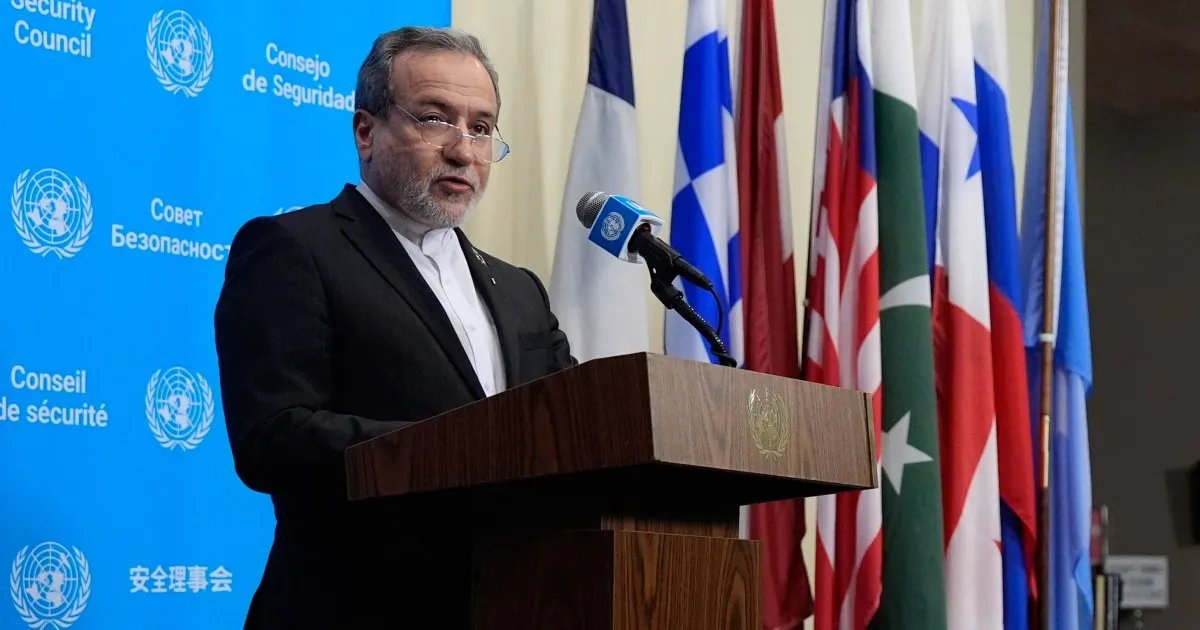
Following a series of discussions on the sidelines of the United Nations General Assembly in New York, Iranian Foreign Minister Abbas Araghchi departed for Tehran on Tuesday, stating that his government is awaiting an official response to a proposal centered on the reopening of the strategic Strait of Hormuz.
The Iranian proposal, mediated by Qatar, outlines a seven-day timeline for reopening the waterway—a vital chokepoint for one-fifth of the world’s oil and gas—in exchange for the lifting of a US naval blockade, the waiver of crippling economic sanctions, and the release of approximately $12 billion in frozen Iranian assets. Crucially, Tehran’s offer also hinges on a broader regional ceasefire, including terms for Lebanon.
While President Donald Trump has publicly rejected the proposal, insisting that any deal must address the entirety of Iran’s nuclear program in a single, comprehensive agreement rather than a phased approach, Araghchi maintains that the US has yet to convey a formal rejection through diplomatic channels.
The standoff highlights the widening gap between the two powers. The US strategy, described by analysts as “economic asphyxiation,” relies on intense pressure to force Tehran into concessions. Conversely, Iranian officials remain adamant that they will not engage in discussions regarding their nuclear capabilities until their immediate demands regarding the Strait of Hormuz and sanctions relief are met.
“I state firmly that there has been no change in Iran’s position,” Araghchi told state-run media, emphasizing that the current talks are restricted to the Strait. “Our conditions for opening the strait are clear.”
The volatility of the situation is compounded by deep-seated mutual distrust. Many in Tehran view the current US stance as a move to bypass the Islamabad Memorandum of Understanding (MoU), a framework both sides signed in June that initially provided a roadmap for de-escalation. Analysts suggest the current diplomatic stalemate is a tactical calculation by both parties.
“The question here is, will both sides give?” said Scott Lucas, a professor of US politics and international relations at University College Dublin. “The Trump administration is attempting to break the government with economic warfare until at least after the US elections in November. The Iranian government is not going to agree to that, so we’re stuck in this limbo.”
As the diplomatic window narrows, the rhetoric remains bellicose. Araghchi has warned that Iran remains “fully prepared” for the resumption of conflict, even describing the possibility of a “doomsday war” should aggression continue.
With President Trump suggesting that a meaningful deal is unlikely before the US midterms on November 3, and Iranian leadership skeptical of Washington’s commitment to any future agreement, the international community watches with apprehension. Observers warn that if the diplomatic path fails, the pressure to escalate the conflict could reach a breaking point before the year is out.
Disclaimer: This content is auto-generated for informational purposes only.
Source: Read Original News