







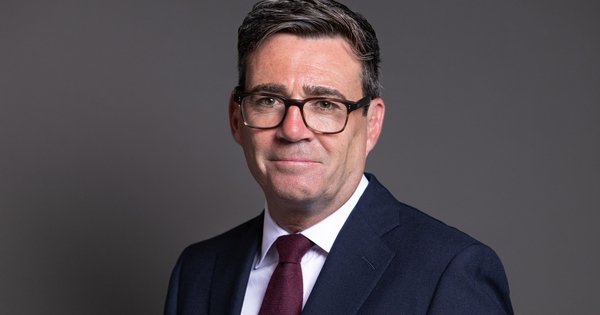
Prime Minister Andy Burnham has set his sights on a historic overhaul of the UK’s welfare state, vowing to establish a National Care Service (NCS) that is free at the point of need. In an emotional address to the Labour Conference on 29 September 2026, Burnham declared that the current system is not only broken but is actively undermining the stability of the NHS.
Describing the social care crisis as a generational challenge that previous governments—including his own—had been “cowardly” to avoid, Burnham framed the proposal as a landmark reform comparable in ambition to the creation of the NHS itself. “Broken social care will break the NHS too,” the Prime Minister warned. “Someone has to go through the pain barrier and rip the plaster off.”
The Prime Minister’s vision for the NCS is a person-centred, high-quality service beginning in the home, where no care charges are levied against a person’s basic state pension. To fund this massive undertaking, which estimates suggest could cost upwards of £18 billion annually by 2035, the government intends to reform the triple lock on pensions from 2030 onwards.
While the ambition has been met with cautious optimism by some in the health sector, it has sparked significant scrutiny from economists and policy experts. Jonathan Cribb, deputy director at the Institute for Fiscal Studies (IFS), cautioned that removing the “ratchet” element of the triple lock to track average earnings growth would likely be insufficient to cover the long-term costs of such a system.
The announcement has also prompted a wave of concern regarding the practicalities of the rollout. Natasha Curry of the Nuffield Trust urged the Prime Minister to “tread carefully” and establish a broad consensus before committing to the specifics of what the public offer will actually include. Sarah Woolnough of The King’s Fund echoed these sentiments, noting that “many genuine questions remain about how these reforms will work in practice.”
Age UK’s Caroline Abrahams highlighted the potential political friction, noting that the triple lock has provided vital financial security for retirees for a generation. The charity intends to scrutinize the government’s plans closely once further detail is provided.
To guide the delivery of the policy, the Prime Minister has appointed Baroness Casey to lead a formal review, due to report back by the summer of 2027. Meanwhile, advocates for the workforce have raised their own concerns; Dr. Dora-Olivia Vicol of the Work Rights Centre warned that the NCS could face collapse without specific protections for the migrant workers who form the backbone of the current care system.
Despite the hurdles, the government maintains that the status quo is unsustainable. As Dr. Jennifer Dixon of The Health Foundation noted, while public investment is essential, the “cost of continued inaction to people and their families is severe.” Burnham has pledged to include the proposals in his next General Election manifesto, signaling that the battle for the future of social care has officially begun.
Disclaimer: This content is auto-generated for informational purposes only.
Source: Read Original News