








Expanding the ChatGPT Ecosystem Beyond Conversation
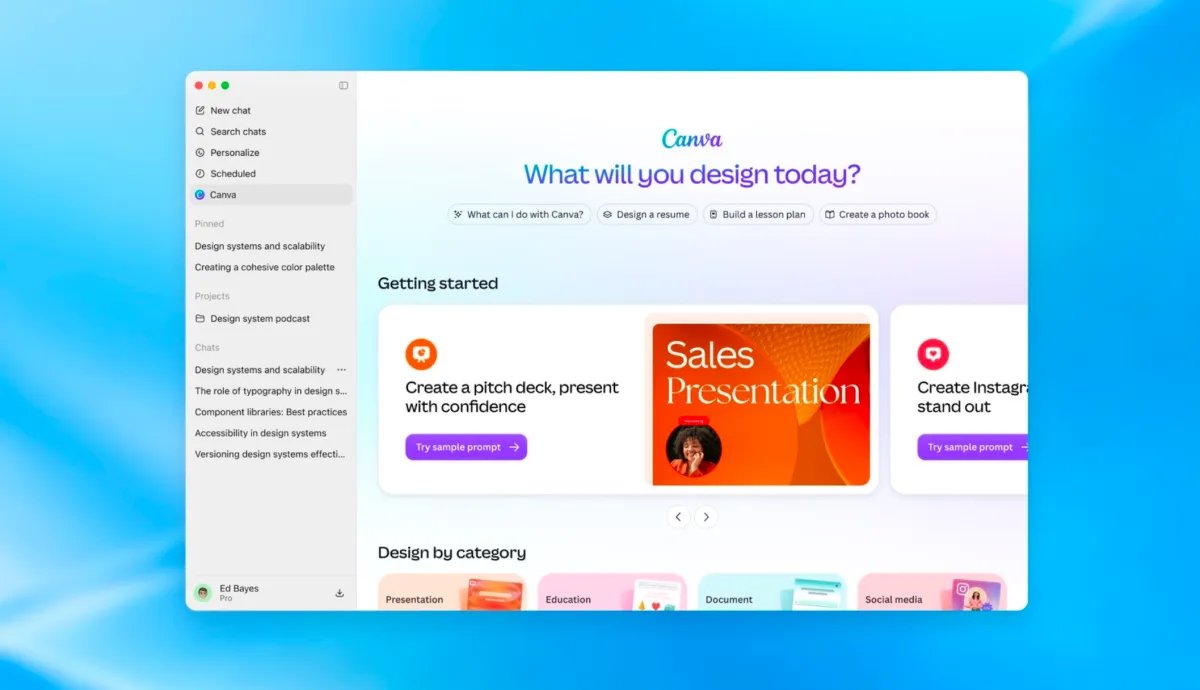
OpenAI has officially moved beyond the role of a simple chatbot interface, signaling a strategic shift toward becoming a central operating hub for third-party software. During the recent Dev Day presentation, the company unveiled a robust set of features designed to transform ChatGPT into an application environment where developers can host interactive, app-like experiences. By allowing plugins to reside directly within the ChatGPT sidebar and offering interactive panels, OpenAI is effectively challenging the current model of fragmented productivity software, proposing instead a unified space where users interact with their data and tools without toggling between tabs.
This development marks a significant evolution from the previous generation of plugins. While earlier iterations allowed ChatGPT to pull information from external services like Slack or Google Drive, the integration was largely transactional. The new architecture enables a persistent, dedicated home for these applications, allowing for a deeper level of engagement. Users can now maintain an active workspace alongside their ongoing conversation, effectively embedding external workflows into the core AI experience.
Dynamic Interfaces and Interactive Panels
At the heart of this update is the introduction of interactive panels and specialized file viewers. These features allow developers to construct interface elements that live within the ChatGPT environment, rather than forcing the user to exit to a secondary browser window. When a user interacts with a connected tool, the sidebar can render custom views tailored to the specific application’s needs.
For instance, a project management plugin can now display a task board or a status chart directly next to the chat stream. If a developer uses a proprietary file format, they can now implement a native file viewer within ChatGPT to handle that data type seamlessly. By enabling these interactive components, OpenAI is lowering the friction involved in complex tasks. Users no longer need to translate AI insights into actionable steps elsewhere; they can manipulate, visualize, and edit their data in real time as the AI helps synthesize information. This shift transforms the sidebar from a passive notification area into a dynamic dashboard for task execution.
Streamlining Developer Tools and Discovery
To support this shift toward a more modular architecture, OpenAI is refining the developer experience through a new Plugin Creator tool. Building a functional extension for ChatGPT can be a complex endeavor, and the new tool aims to provide a guided pathway for development, testing, and deployment. The company has overhauled its submission process, implementing a feedback loop that provides developers with clearer insights into why a submission might be rejected or how it can be optimized for better performance within the directory.
Discovery is also receiving a major overhaul. As the repository of available plugins grows, finding the right tool becomes difficult for the average user. OpenAI is implementing improved ranking algorithms that factor in both popularity and contextual relevance. When a user engages in a conversation, the platform will intelligently surface relevant plugins at the point of need. Furthermore, the company has bolstered its security and privacy framework; users now have granular control over permissions, allowing them to approve individual access requests for each plugin. This creates a safer environment for users to experiment with third-party tools while maintaining control over their sensitive data.
The Integration of ChatGPT Sites
A standout component of this release is the capability to host plugins within ChatGPT Sites. These lightweight, AI-generated websites serve as a distribution layer for the custom functionality developers create. By allowing these sites to function as hosts for plugins, OpenAI is enabling a new form of collaborative software sharing.
Consider a scenario where a department manager uses ChatGPT to build a custom internal tool for tracking team performance. Through ChatGPT Sites, they can publish this tool and share it with colleagues. Because the plugins operate within the user’s established permissions, each individual collaborator can connect their own data streams to the shared interface. This democratizes the creation of specialized internal software, allowing non-developers to build, deploy, and share highly functional digital tools that were previously restricted to those with programming expertise. It represents a pivot toward low-code development, where the AI serves as the architect and the platform serves as the distribution network.
Event-Driven Automation and Future Interoperability
The final pillar of this announcement involves support for the MCP Events specification. This protocol allows plugins to initiate automations based on triggers within a connected application. Previously, most interactions required a direct prompt from the user. With event-based triggers, plugins can become proactive rather than reactive. For example, if a status changes in an external CRM or a new document is uploaded to a file storage service, the plugin can automatically notify the user or prompt the AI to summarize the change.
By embracing this standard, OpenAI is positioning ChatGPT as a bridge between disparate services. This shift toward event-driven architecture makes automations easier to manage and customize, reducing the reliance on third-party integration platforms like Zapier for basic connectivity. As these technologies mature, the goal is to create a seamless flow of information across the modern tech stack, with ChatGPT acting as the intelligence layer coordinating the movement of data. By moving from a static chatbot to an extensible application platform, OpenAI is fundamentally altering how software is built, shared, and consumed, setting the stage for a future where the AI interface is the primary portal through which all work is conducted.
Disclaimer: This content is auto-generated for informational purposes only.
Source: Read Original News