








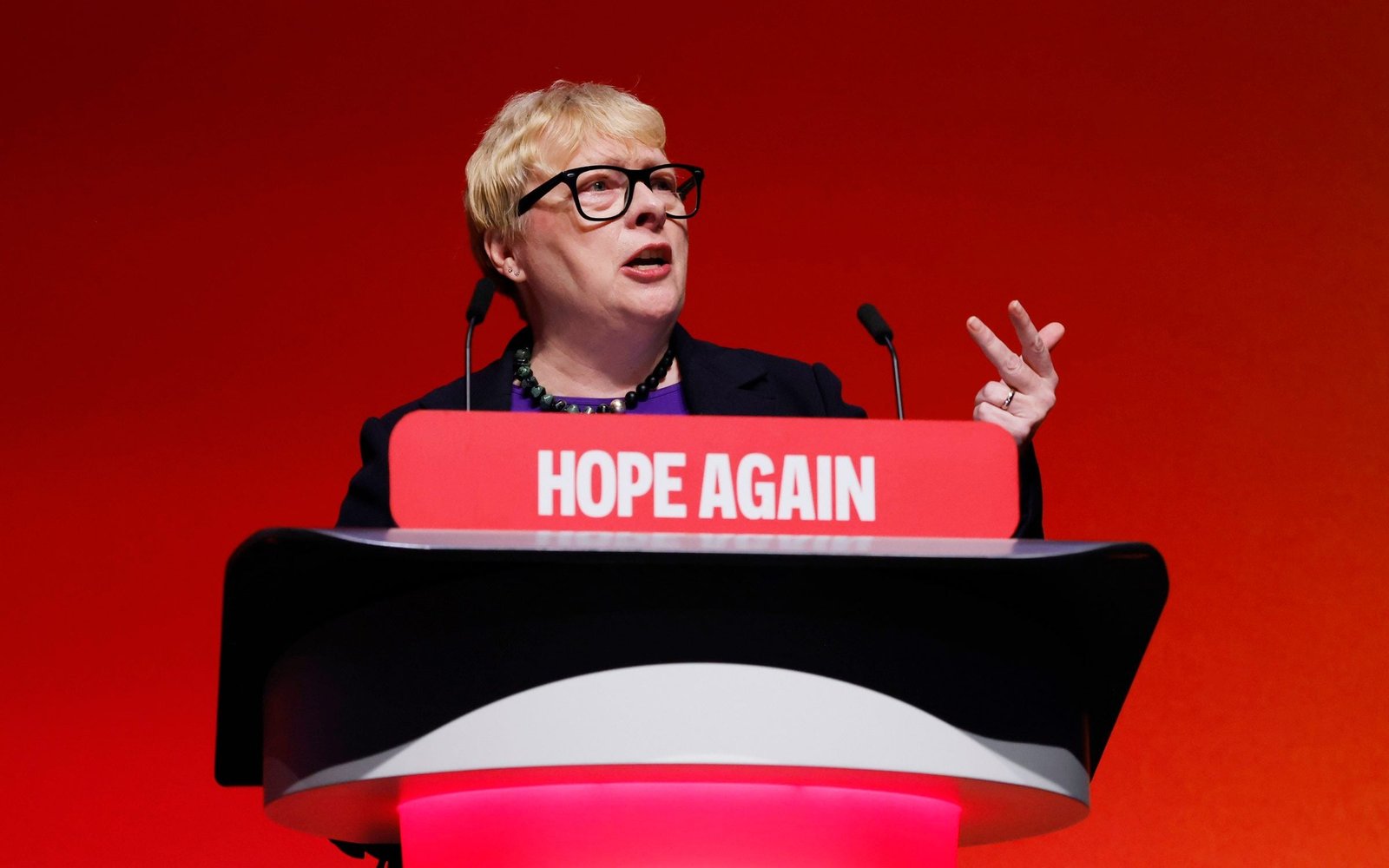
Environment Secretary Dame Angela Eagle has vowed to orchestrate a fundamental transformation of Britain’s water system, signaling a potential return to the public-ownership models that defined the 1970s. Addressing activists on the final day of the Labour Party conference in Liverpool, Dame Angela declared that “all options must be on the table” to address systemic failures within the sector, including the prospect of nationalisation and increased public control.
The proposal marks a sharp departure from the current privatized model, which has been in place since the industry was sold off under the Thatcher administration four decades ago. For the Environment Secretary, the move is a necessary corrective to prioritize essential public needs over shareholder profits.
“The essentials of life must be controlled in the public interest,” Dame Angela told the conference. “When the public turn on their taps, they get clean, safe water. When they go to their local beach or lake, they don’t have to worry about swimming in untreated sewage. And when they pay their bills, the money stays in the system and gets invested in the infrastructure we need. It is not siphoned off by wealthy interests.”
Central to the reform is a shift in the decision-making power regarding long-term infrastructure. Under the new vision, the Environment Secretary intends to ensure that billions of pounds in annual investment are directed by community priorities rather than corporate dividends. Dame Angela noted that local mayors and regional leaders would play a pivotal role in these plans, effectively forcing private water companies to be more accountable to the populations they serve.
The announcement comes amidst a broader theme of sweeping reform at the Labour conference, with Prime Minister Andy Burnham outlining a vision to undo what he describes as decades of broken public systems. During her address, Dame Angela also framed climate change as a critical class issue, arguing that its impacts—ranging from severe drought to flash flooding—are disproportionately felt by the most vulnerable segments of society. She praised the role of natural infrastructure, such as tree-planting and habitat restoration, in mitigating the environmental threats exacerbated by rising global temperatures.
The government’s stance represents a significant escalation in the pressure applied to water utility companies, which have faced intense public and political scrutiny over sewage spills and perceived underinvestment in critical infrastructure. While the exact mechanism for “public control” remains subject to further policy development, the Environment Secretary’s commitment confirms that the current administration is prepared to intervene deeply in the utility market to restore public trust.
The push to reform the water industry is part of a larger, ambitious policy agenda unveiled by the Prime Minister this week. As the government pivots toward this new direction, it faces the challenge of managing the economic consequences of such wide-reaching structural changes. With the first Budget now only four weeks away, ministers are expected to face rigorous scrutiny over the costs and practicalities of reversing the privatization era in favor of a model that places water management firmly back under public oversight.
Disclaimer: This content is auto-generated for informational purposes only.
Source: Read Original News