









The recent approval of three key structural measures by the Union Cabinet signals a multifaceted approach to India’s long-term economic development. By addressing critical needs in agriculture, energy infrastructure, and urban mobility, the government is focusing on supply-side improvements intended to enhance productivity, sustainability, and administrative efficiency. These initiatives reflect a policy framework designed to balance rural income security with the necessity of industrial modernization and urban operational optimization.
Strategic Revitalization of the Agricultural Sector
The decision to increase the Minimum Support Price (MSP) for all six mandated Rabi crops for the 2027-28 marketing season is a foundational move toward stabilizing farmer incomes. By aligning these adjustments with the policy commitment to fix prices at at least 1.5 times the weighted average cost of production, the government is providing a predictable financial cushion for the agricultural workforce.
The distribution of the increases is particularly telling. While wheat, a staple, saw a modest increase of Rs 25 per quintal, crops such as safflower (up by Rs 675) and rapeseed/mustard (up by Rs 413) received significantly higher hikes. This differential pricing is a strategic instrument for promoting crop diversification. For years, the Indian agricultural sector has struggled with an over-reliance on cereal crops, which places undue pressure on soil health and groundwater resources. By enhancing the profitability of oilseeds and pulses, the government aims to nudge farmers toward a more sustainable and market-responsive crop mix. This approach is intended not only to secure domestic supply lines for essential commodities but also to mitigate the import dependency for edible oils, which remains a significant component of India’s trade deficit.
Empowering the Green Energy Transition
Perhaps the most capital-intensive component of the Cabinet’s recent approvals is the Rs 1.86 lakh crore Green Energy Corridor (GEC) Phase-III. As India commits to an ambitious target of 900 GW of installed non-fossil fuel capacity by 2035, the primary challenge shifts from generation to transmission and grid stability.
The GEC-III scheme, with its massive allocation for intra-state transmission systems and the deployment of 50 GWh of Battery Energy Storage Systems (BESS), directly addresses the intermittency issues inherent in solar and wind energy. Renewable energy sources are variable by nature; without sophisticated storage and a robust, flexible grid, surplus energy cannot be effectively managed during peak or non-solar hours. By providing financial support of Rs 54,082 crore, the Centre is effectively lowering the cost burden on states, ensuring that the transition to green energy does not result in prohibitive electricity costs for end-users.
The implementation model, which utilizes tariff-based competitive bidding for new transmission infrastructure, reflects a mature market approach. This process encourages efficiency, attracts private investment, and fosters a competitive ecosystem for power infrastructure development. Furthermore, the massive scale of the project serves as an engine for industrial growth, creating demand for local manufacturing in the energy storage, construction, and power equipment sectors.
Enhancing Urban Mobility Through AI Integration
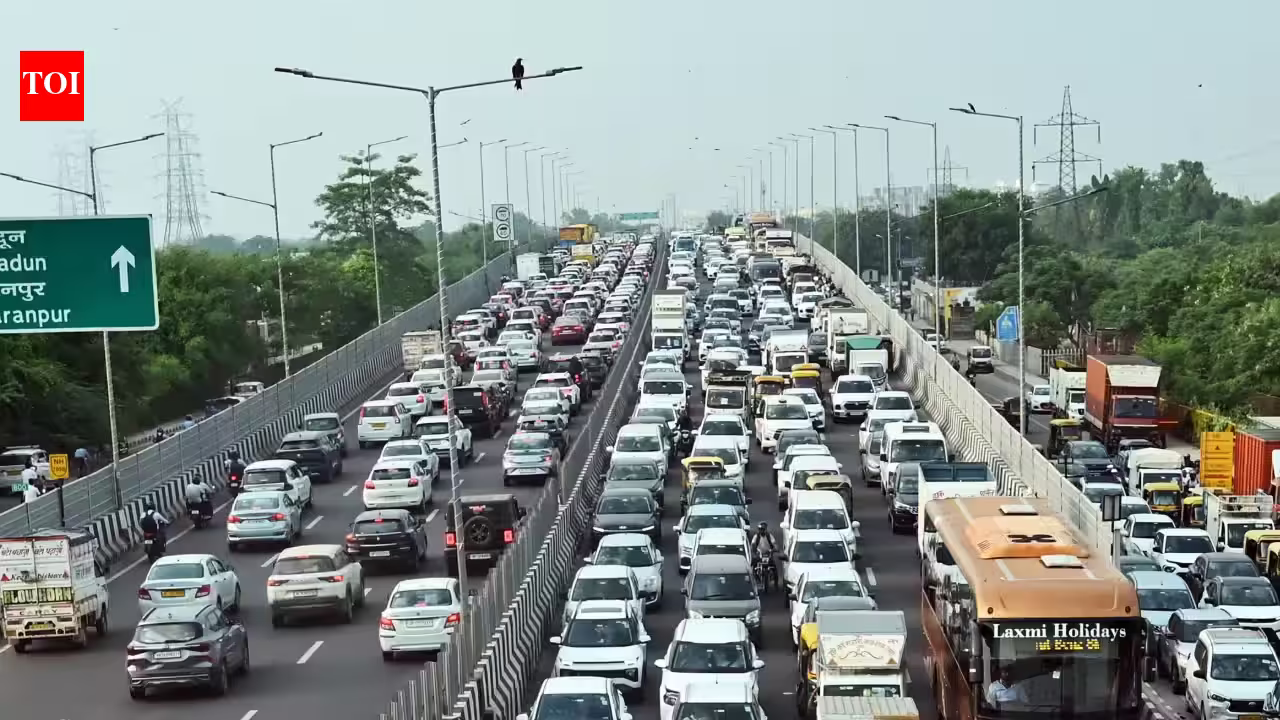
Urbanization in India has frequently outpaced the development of supporting infrastructure, leading to severe congestion and productivity losses in major metropolitan areas. The Cabinet’s approval of a Rs 1,789.52 crore Intelligent Traffic Management System (ITMS) for Delhi represents a pivot toward technology-driven governance. Rather than relying solely on physical road expansion—which is constrained by land availability and environmental factors—the project focuses on maximizing the utility of existing road assets through data-driven management.
The introduction of adaptive signals capable of altering timings based on real-time traffic flow introduces a level of flexibility previously absent in Delhi’s traffic management. By covering 42 critical corridors and integrating automated enforcement for traffic violations, the project aims to reduce the reliance on manual traffic control, which is prone to human error and inconsistency.
A critical economic benefit of this system is the prioritization of emergency response vehicles. By creating green corridors through automated signal control, the system has the potential to significantly reduce response times for ambulances, contributing to improved public health outcomes. The integration of a centralized command and control system, paired with real-time information dissemination to navigation providers and commuters, will likely lead to smoother traffic throughput and a decrease in fuel wastage and carbon emissions associated with idling vehicles.
Economic Implications and Long-Term Outlook
Viewed together, these three initiatives illustrate a cohesive, if diverse, national agenda. The agricultural MSP hikes act as a stabilizer for the rural economy, ensuring that the bedrock of India’s population remains economically viable. The GEC-III project serves the industrial and climate-related objectives, ensuring that the country’s power grid is equipped to handle the demands of a high-growth economy while meeting environmental sustainability targets. Finally, the ITMS for Delhi provides a blueprint for “smart city” management, addressing the inefficiencies that impede urban economic activity.
For businesses and investors, these measures highlight a clear regulatory direction. The government is signaling continued support for domestic agricultural production, a massive investment cycle in the power sector, and a preference for technology-heavy solutions in public infrastructure. The emphasis on competitive bidding and system integration in the power and mobility sectors suggests that there will be significant opportunities for private sector participation in high-technology services, civil engineering, and equipment manufacturing.
However, the success of these measures will hinge on effective execution. For the Green Energy Corridor, the challenge lies in the timely coordination between the Centre and various state governments to integrate transmission networks seamlessly. Similarly, the efficacy of the ITMS will depend on the robustness of the data infrastructure and the accuracy of the algorithmic models used for traffic management.
In conclusion, these policy decisions reflect a calculated effort to modernize the Indian economy from the ground up. By focusing on productivity in agriculture, resilience in energy, and intelligence in urban planning, the government is addressing the structural bottlenecks that define the current economic landscape. As these projects move into the implementation phase, their cumulative effect will likely be a more efficient, sustainable, and productive economic framework, setting a precedent for similar systemic reforms across other states and sectors in India.
Disclaimer: This content is auto-generated for informational purposes only.
Source: Read Original News