







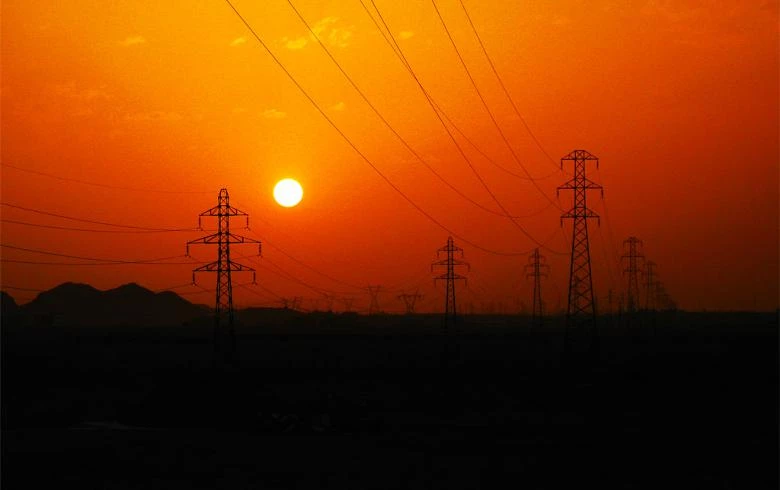
India Greenlights Massive Transmission Expansion to Integrate 135 GW of Renewable Power
The Indian government has officially greenlit a transformative transmission scheme designed to bolster the country’s Intra-State Transmission System (InSTS). This strategic infrastructure move is set to serve as the backbone for the evacuation of 135 gigawatts (GW) of renewable energy, marking a pivotal step in India’s ambitious transition toward a decarbonized power grid. By strengthening the connectivity between renewable energy zones and the national load centers, the initiative aims to dismantle the logistical bottlenecks that have historically hampered the seamless integration of solar and wind power.
Bridging the Gap in Energy Infrastructure
As India aggressively scales up its installed renewable capacity to meet its international climate commitments, the focus has shifted from mere generation to the reliability of transmission. Often, high-potential renewable zones are situated in states with relatively lower industrial demand, while major consumption hubs are located hundreds of kilometers away.
This new scheme focuses on upgrading state-level infrastructure to ensure that clean energy produced in remote farms does not go to waste due to grid congestion or technical instability. By facilitating the evacuation of 135 GW, the government is providing developers with the assurance that their projects will have a direct, stable path to the national grid, thereby de-risking investments in the green energy sector.
Modernizing the Intra-State Grid
The Intra-State Transmission System acts as the final mile for electricity delivery within individual states. Under this approved framework, the government will provide financial and technical support to state transmission utilities to undertake necessary upgrades. These include the installation of new substations, high-voltage transmission lines, and advanced grid management systems that can handle the intermittent nature of solar and wind power.
Energy experts view this development as a critical prerequisite for achieving India’s target of 500 GW of non-fossil fuel capacity by 2030. Without a robust and flexible InSTS, the massive influx of intermittent renewable energy could strain existing infrastructure, leading to curtailment—a scenario where clean energy is intentionally shut off to prevent grid collapse. This initiative effectively mitigates such risks by expanding the “carrying capacity” of the country’s electrical arterial system.
Economic and Environmental Impact
Beyond the technical benefits, the infrastructure push is expected to act as a significant economic multiplier. The construction of new transmission corridors will stimulate domestic manufacturing of steel, copper, and electrical equipment, generating thousands of jobs across the logistics and engineering sectors.
Moreover, by reducing grid instability, the project is expected to lower the cost of power procurement for distribution companies (DISCOMs). When renewable energy flows more efficiently, reliance on expensive, fossil-fuel-based peaking plants decreases, ultimately benefiting the end consumer through more stable energy pricing.
As India moves forward with this initiative, it solidifies its stance as a global leader in renewable energy integration. By aligning its transmission capabilities with its rapid generation growth, the government is effectively building the “highway” required to transport the country into a sustainable and energy-secure future. The phased implementation of these transmission corridors is anticipated to commence shortly, providing a much-needed boost to the national transition toward a cleaner, more resilient power landscape.
Disclaimer: This content is auto-generated for informational purposes only.
Source: Read Original News