









GUWAHATI – In an evening that will be etched into the annals of cricket history, the Barsapara Stadium witnessed a spectacle of unprecedented proportions. In a high-stakes, record-shattering second One-Day International on Wednesday, India produced a clinical batting masterclass to chase down a daunting 406-run target against the West Indies, winning by eight wickets and clinching the three-match series with a game to spare.
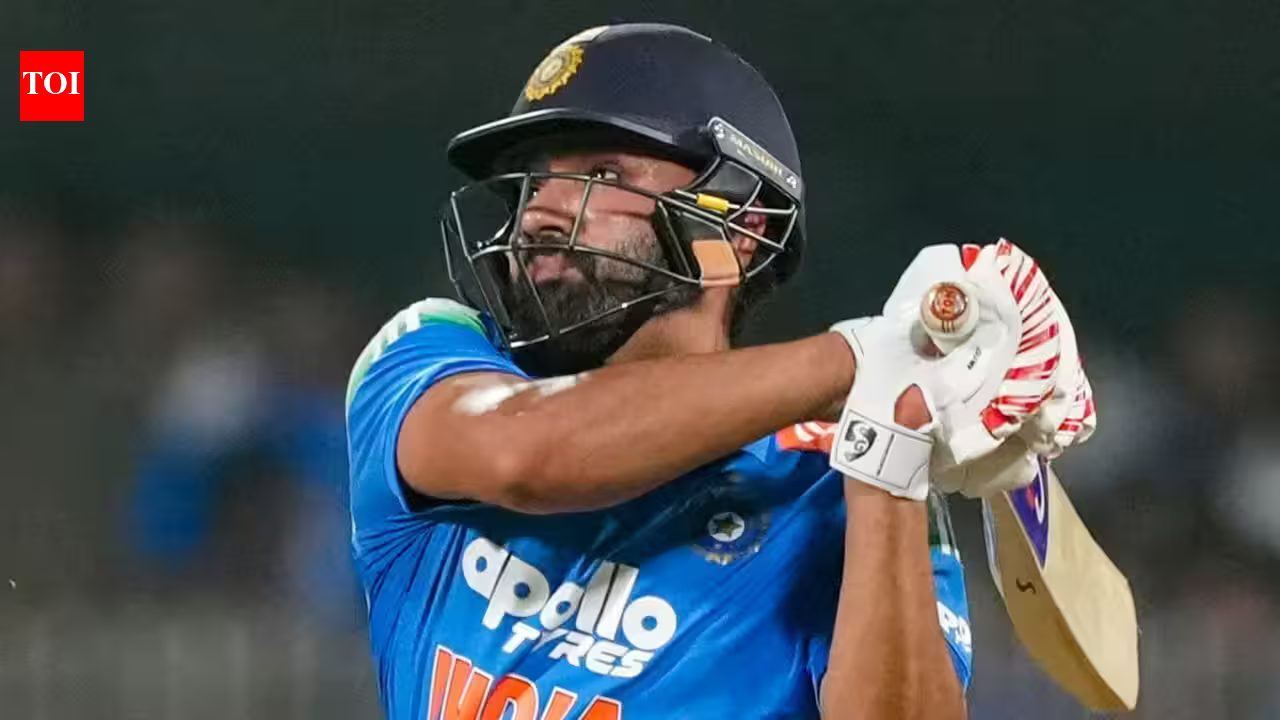
The narrative of the night centered on a Herculean performance from captain Shubman Gill, who blasted an unbeaten 223 off just 133 balls—the fastest double century in the history of the ODI format. Alongside veteran Rohit Sharma, who contributed a blistering 101, India’s opening duo dismantled a demoralized West Indies bowling attack, finishing the chase in a mere 43.3 overs.
## A Chase for the Ages
Entering the match, the prospect of chasing 406 seemed Herculean, a mountain rarely scaled in the professional game. Prior to Wednesday, only one team in men’s ODI history—South Africa against Australia in 2006—had successfully hunted down a target of 400 or more. India has now joined that exclusive club, asserting their dominance in a format they continue to revolutionize.
The foundation of this historic result was laid by the opening partnership. Gill and Rohit put on a staggering 255 runs for the first wicket, effectively taking the match away from the visitors before the halfway point of the second innings. Rohit’s contribution was a masterclass in power-hitting, striking 10 fours and six sixes in his 75-ball 101. However, it was Gill who commanded the spotlight, displaying a level of intent and physical endurance that defied the humid conditions of Guwahati.
## Gill’s Historic Milestone
Despite battling severe cramps and an agonizing neck injury late in his innings, Gill’s composure never wavered. His 223 not out stands as the highest individual score in an ODI chase and the highest ever by a captain in the format. With 26 fours and eight sixes, Gill’s assault was relentless.
“It was about staying in the moment and trusting my process,” said Gill following the victory. “When you have a partner like Rohit at the other end, it makes the job easier, but the pitch was truly a batting paradise today.”
The innings marked Gill’s 11th ODI century in 69 appearances, cementing his status as one of the most prolific top-order batters in the world today. His ability to manipulate the field while maintaining a strike rate comfortably above 150 served as a blueprint for modern ODI batting.
## West Indies’ Gallant Effort
While the narrative will understandably focus on India’s historic chase, the West Indies produced an offensive display that was, until the second innings, the story of the day. Opting to bat, the Caribbean side posted their highest-ever ODI total of 405 for seven, shattering their previous record of 389 set against England in 2019.
John Campbell set the tone immediately, channeling the spirit of Chris Gayle. Campbell’s 101 off 68 balls was a display of raw, unadulterated power, punishing an inexperienced Indian pace attack from the first over. Following his departure, captain Shai Hope (104 off 94) and Amir Jangoo (114 off 83) took over.
It was a historic sequence for the West Indies, marking the first time in their storied history that three players scored centuries in a single ODI innings. Hope, who was handed a lifeline early on when Virat Kohli dropped a catch at short midwicket, anchored the innings perfectly, while Jangoo provided the flair, finding the boundary with regularity.
## The Turning Point
Despite the mammoth total, the momentum shifted during the final 11 overs of the West Indies innings. The visitors could manage only 82 runs for the loss of five wickets during the death overs—a period of play that ultimately proved decisive.
India’s bowlers, despite facing an onslaught, managed to keep the total within reach. Kuldeep Yadav was the standout performer, providing context to the flat deck by claiming 2-65 from his 10 overs. During this stint, the left-arm wrist spinner became the second-quickest Indian to reach the 200-wicket milestone in ODI cricket, a significant individual achievement lost somewhat in the high-scoring madness.
## Looking Ahead
The result leaves the West Indies with significant questions to answer regarding their bowling discipline and death-over management. For India, the victory serves as a statement of intent. They showcased not only a deep reservoir of batting talent but also the requisite fitness and tactical discipline to handle pressure on a day when 811 runs were scored in total.
With the series already decided, all eyes turn to the third and final match. While the stakes regarding the trophy are gone, the expectation for high-octane, aggressive cricket at the highest level remains. If the first two games are any indication, the fans in India are in for another thrilling finale.
Disclaimer: This content is auto-generated for informational purposes only.
Source: Read Original News