







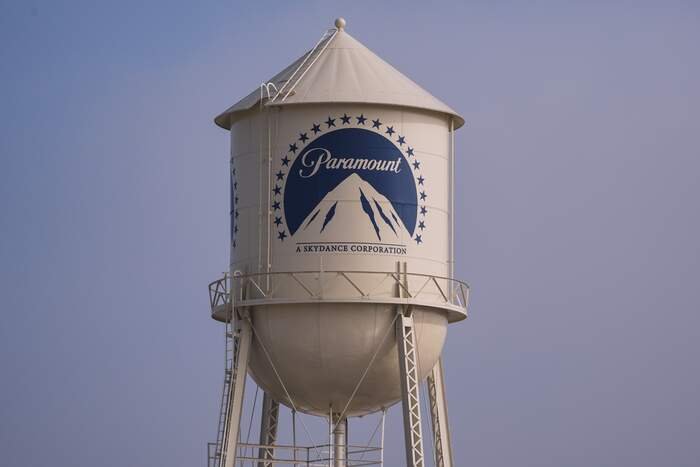
CHICAGO – A federal judge has cleared the way for one of the largest media consolidations in history. On Wednesday, U.S. District Judge Araceli Martínez-Olguín approved a settlement between Paramount and 12 states that had sued to block the company’s $81 billion acquisition of Warner Bros. Discovery, allowing the mega-merger to proceed on October 6.
In her ruling, Judge Martínez-Olguín determined that the proposed consent decree was a “fair, reasonable, and good faith approach to address the competitive harms” cited by the states. The decision marks the final legal hurdle for the deal, which will unite two of Hollywood’s remaining five legacy studios, bringing brands like “Harry Potter,” CNN, HBO Max, CBS, and the “Top Gun” franchise under one corporate roof.
Shortly after the court’s announcement, Paramount revealed a significant leadership shakeup. Ynon Kreiz, the current CEO of toy giant Mattel, will join David Ellison as co-CEO of the newly combined entity. Ellison, who led the Skydance takeover of Paramount last year, praised the merger as a “transformational moment for our industry,” pledging to build a “creator-first, tech-forward” business designed for global scale.
The path to approval was contentious. Led by California Attorney General Rob Bonta, the coalition of 12 states filed suit in July, arguing that the merger would “extinguish competition” and reduce consumer choice for cable customers and theatergoers. While the Department of Justice had previously cleared the deal, the state-level opposition forced Paramount to negotiate a series of concessions.
Under the settlement, Paramount has committed to increasing U.S. film production, promising to release at least 30 films annually for the next two years, rising to 32 films in subsequent years. The company will also dedicate $47.5 million to a fund aimed at supporting workers displaced by the merger. Additionally, the agreement mandates separate carriage negotiations for the company’s cable networks over the next five years and requires the formation of a “News Editorial Independence Board” to oversee operations at CBS and CNN.
Despite these measures, the settlement has faced fierce criticism. Advocacy groups, including the “Block the Merger” coalition, decried the deal as “toothless,” warning that the five-year expiration dates on many commitments fail to protect the long-term public interest. During a recent hearing, Judge Martínez-Olguín acknowledged the public frustration, noting that while she shared some concerns, the desire for more stringent remedies did not constitute a sufficient legal basis to reject a negotiated resolution.
The Writers Guild of America, which had filed its own legal challenge, reached a separate settlement with Paramount last week, concluding it could not sustain a solo fight against the industry giant.
As the October 6 closing date approaches, the merger stands as a stark example of growing industry concentration. While Paramount moves forward with its new leadership team, critics warn that the consolidation could have lasting impacts on media diversity and consumer costs.
Disclaimer: This content is auto-generated for informational purposes only.
Source: Read Original News