








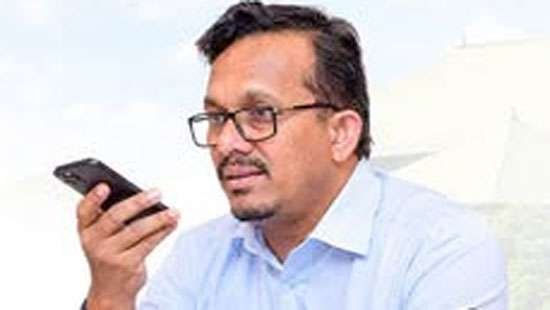
In a move aimed at bridging the gap between political leadership and the general public, a new initiative titled ‘Ask Handun’ has been launched, allowing citizens to communicate directly with legislator Sunil Handunnetti via WhatsApp voice messages. This digital outreach program is designed to provide a more accessible and personal platform for constituents to voice their concerns, seek clarifications on policy matters, and provide feedback on the country’s current socio-economic landscape.
The initiative marks a significant shift in how elected representatives in the region interact with their base. By leveraging the ubiquity of WhatsApp—a platform already used by millions for daily communication—the program removes the bureaucratic hurdles often associated with traditional methods of public engagement, such as formal letters, scheduled office visits, or waiting for town hall meetings.
Supporters of the initiative suggest that voice messages provide a human touch that is often lost in email or text-based communication. By allowing people to speak directly, the ‘Ask Handun’ platform ensures that the tone, urgency, and specific nuances of a citizen’s grievance or suggestion are captured more effectively. Proponents argue that this will foster greater accountability, as it creates a direct line of communication between the representative and those he serves, potentially increasing transparency in the legislative process.
However, the rollout of such a digital platform comes with its own set of logistical challenges. Political analysts have noted that managing a high volume of voice messages will require a dedicated support team to filter, categorize, and synthesize the public’s input into actionable data. Without a structured response mechanism, the sheer volume of incoming audio could lead to a backlog, risking frustration among participants who may feel their messages are going unheard.
There is also the question of accessibility for those who are not digitally savvy or who lack consistent internet access. Critics argue that while this initiative is an excellent addition to modern political engagement, it should not replace ground-level interactions or physical office hours. For the program to be considered a true success, observers note that the representative must demonstrate that the feedback received through these audio messages actually influences parliamentary discourse and policy decisions.
Despite these hurdles, the ‘Ask Handun’ project is being viewed as a bold step toward modernizing democratic interaction. By embracing the communication habits of the younger generation and the general public alike, the initiative aims to make governance feel less distant and more participatory. As the pilot phase begins, all eyes will be on whether this digital bridge can lead to tangible results or if it remains merely a symbolic gesture of openness in an increasingly digital political era. For now, the public is encouraged to use the service to highlight pressing local issues, with many waiting to see if their voices will translate into real-world change.
Disclaimer: This content is auto-generated for informational purposes only.
Source: Read Original News