








The modern consumer landscape is currently witnessing a bizarre and beautiful collision of industries. From high-end fashion houses and wellness startups to household grocery staples, brands are increasingly blurring the lines between what you wear, how you smell, and what you eat. This surge in cross-pollination is no longer just a marketing stunt; it has become a sophisticated strategy for brands to capture the “attention economy” in an increasingly crowded digital marketplace.
The Rise of IP Expansion and Cultural Capital
Why are shoe companies partnering with grocery chains or beauty brands launching pudding-scented cosmetics? According to industry experts like Ana Andjelic, co-founder of the upcoming *Tasteful* industry symposium, this trend is a direct result of brands needing to expand their Intellectual Property (IP) beyond their core offerings.
“Everyone is in everyone else’s business,” Andjelic notes. By leveraging the fandom and community built by a food brand, a beauty company can create a “special callout” that feels fresh and exciting. In the digital age, where users are trained to quickly scroll past traditional ads, these partnerships serve as a pattern interrupt. They don’t just sell a product; they harvest cultural relevance by offering something that is instantly recognizable yet delightfully unexpected.
Nostalgia, Senses, and the “Stop the Scroll” Strategy
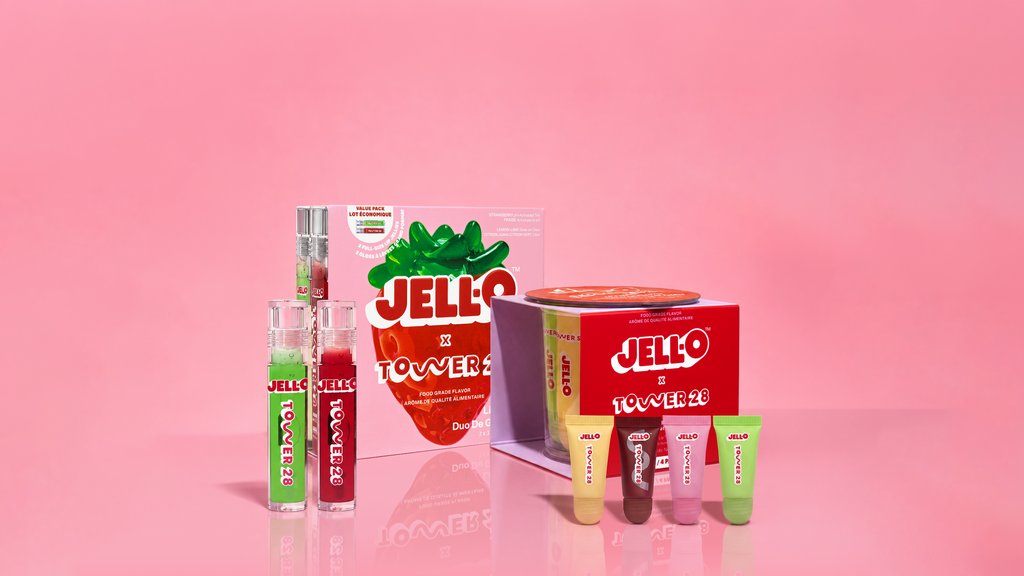
The recent collaboration between clean beauty brand Tower28 and the classic snack icon Jell-O is a perfect example of this tactic. By releasing lip glosses that smell like authentic pudding and gelatin, Tower28 is banking on the power of olfactory nostalgia to drive holiday sales.
This strategy is part of a larger push toward sensory marketing. Whether it is a candy-scented perfume or a soda-themed sunscreen, these brands are tapping into the “aestheticization” of food. Interestingly, this shift is also being fueled by the changing relationship consumers have with food due to the rise of weight-loss drugs like GLP-1s. As food transitions from mere fuel to a “static domain” of decoration and aesthetic, brands are repositioning snacks as lifestyle accessories. By expanding their influencer reach beyond the beauty community to include food-focused TikTok creators, companies are finding new ways to generate buzz that transcends traditional retail boundaries.
Tech and Industry Turbulence
While marketing partnerships are hitting a high note, the broader consumer landscape remains volatile, with tech-adjacent brands facing unique hurdles. Even household names are feeling the pressure to pivot rapidly. Dyson, for example, recently faced a high-profile setback with its entry into the oral care market; the company was forced to remove its $499 “CameraJet” AI-powered toothbrush from its website shortly after launch due to reports of technical malfunctions.
Meanwhile, the industry continues to see significant consolidation and restructuring. The beauty sector, in particular, is navigating a mixed bag of news: Grande Cosmetics recently tapped actress Lucy Hale as its first celebrity ambassador to bolster its market position, while Scarlett Johansson’s skincare brand, The Outset, officially announced it is winding down operations just years after its high-profile launch.
Ultimately, these developments signal a new era of business. Whether through the lens of a viral Instagram-friendly collaboration or a high-tech hardware release, success in the current climate requires a delicate balance of innovation, cultural timing, and the ability to maintain consumer trust. For brands, the goal is clear: in an era of infinite choices, you must either offer something completely new or risk fading into the background of a constant, relentless scroll.
Disclaimer: This content is auto-generated for informational purposes only.
Source: Read Original News