








The Escalating Security Implications of Full Disk Access
In the evolving landscape of desktop operating systems, Full Disk Access (FDA) stands as one of the most powerful permission sets available. Originally designed to protect sensitive user data by requiring explicit authorization for applications to access files in restricted locations—such as Mail, Messages, Safari, and Home directories—this security mechanism is increasingly becoming a focal point for privacy concerns. While the intent is to safeguard information, developers are frequently requesting this permission for tasks that do not necessarily require such deep, system-wide visibility.
As modern applications become more integrated with user workflows, the default behavior of granting broad permissions has created a silent vulnerability. When a user grants Full Disk Access to an application, they are effectively bypassing the granular security boundaries that operating systems like macOS have worked to build over the last decade. This level of access grants the software the capability to scan, read, and potentially exfiltrate nearly every piece of data on the drive, often far exceeding the scope of the application’s stated functionality.
The Mechanics of Excessive Permission Requests
The primary issue lies in the disparity between utility and necessity. Many developers require access to the file system to perform indexing, backup, or search tasks. However, these developers often default to requesting Full Disk Access because it provides a simplified implementation path. Instead of navigating the complex, directory-specific permission structures or utilizing scoped bookmarks, engineers request blanket authorization, citing ease of use as the primary driver.
For the average user, the dialog box prompting for Full Disk Access rarely explains the full extent of the risks involved. It presents a binary choice: grant access or experience limited functionality. As a result, users frequently approve these requests without fully grasping that they are providing a third-party application the “keys to the kingdom.” Once granted, the application gains unrestricted read access to system databases, encrypted caches, and sensitive configuration files that contain private conversations and browsing history. The lack of transparency in how this data is handled once it leaves the local directory remains a significant gap in current operating system security models.
Autonomous AI Agents and the Risk Multiplier
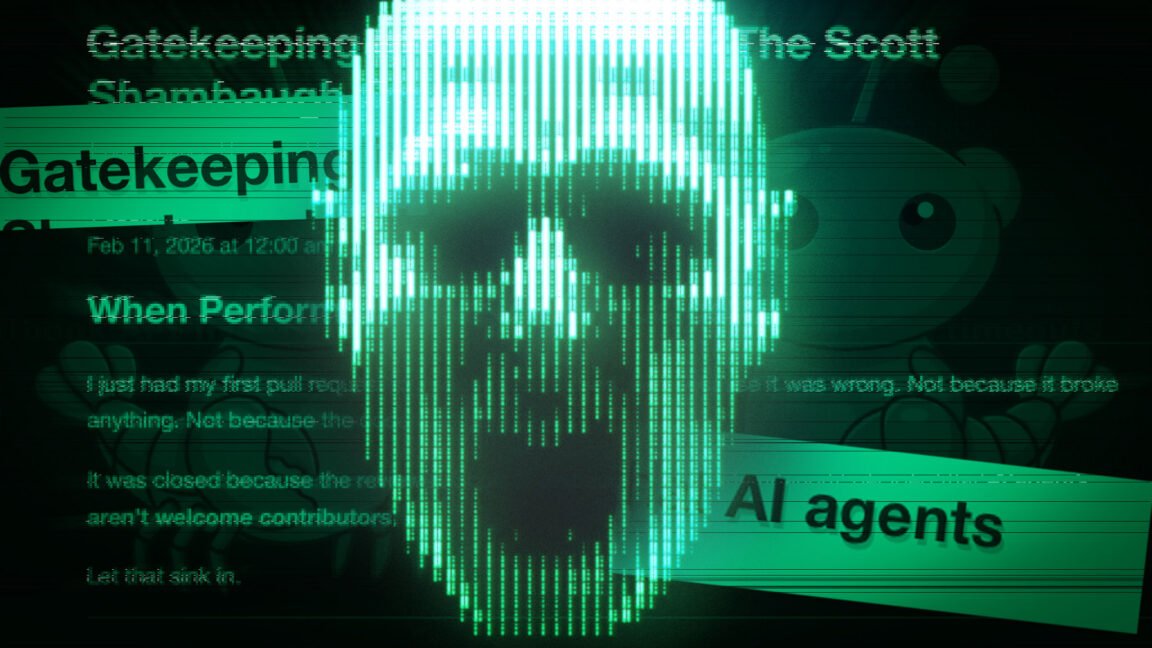
The integration of autonomous AI agents into desktop environments represents a paradigm shift in how software interacts with local data. Unlike traditional applications that perform specific, user-initiated tasks, autonomous agents are designed to observe, analyze, and act upon information independently. To function effectively, these agents require a high degree of context, which they gather by consuming local files and user interactions.
When an AI agent is granted Full Disk Access, the potential for unintended data exposure increases exponentially. If an agent is compromised or programmed with malicious intent, it could autonomously crawl a user’s entire system to identify high-value information—such as financial documents, private keys, or credentials—and transmit that data to an external server. The automation layer adds a new dimension to this threat: the speed and scale at which an agent can process and exfiltrate information far outstrips the capabilities of manual data theft. As these agents become more prevalent in enterprise environments, the mandate for “least privilege” access becomes a critical necessity rather than a best practice.
Technical Challenges in Mitigating Over-Privileged Software
Addressing this security deficit is technically demanding. Operating systems need to move toward more refined permission models that allow applications to request access to specific folders or file types rather than the entire disk. Implementing such a system requires a delicate balance; if permissions are too granular, the user experience becomes cluttered with constant, confusing prompts. Conversely, if permissions remain broad, the risk to user privacy remains unacceptably high.
From a developer’s perspective, moving away from Full Disk Access requires a redesign of data-handling architectures. Instead of relying on raw disk scans, applications should utilize system-level APIs that provide indexed search results or limited, read-only views of specific data sets. Furthermore, developers must adopt the principle of “Data Minimization,” where applications are built to function with the absolute minimum amount of information required for their core operation. This approach not only enhances security but also builds greater trust with the user base.
Protecting Systems in an Age of Ubiquitous Access
Users and administrators must become more proactive in managing the permissions granted to their software. A periodic audit of System Settings or Security preferences is essential to ensure that only trusted, critical applications retain Full Disk Access. If an application does not strictly require access to the entire file system—such as a simple text editor or a generic utility—it should be denied this permission by default.
For organizations, the risk is magnified by the proliferation of third-party tools within the workplace. Endpoint management solutions should be configured to flag or restrict the use of applications that demand excessive permissions. By enforcing strict application control policies and educating users on the implications of permission prompts, businesses can mitigate the threat of data leakage. As software continues to grow in autonomy and capability, the industry must pivot toward a zero-trust model at the operating system level, ensuring that even legitimate applications are confined to the boundaries of their intended utility. The future of secure computing depends on our ability to constrain software access, ensuring that convenience never comes at the cost of total system compromise.
Disclaimer: This content is auto-generated for informational purposes only.
Source: Read Original News