







The smartphone industry is currently navigating a significant shift in pricing strategies, as two of the largest players in the Android ecosystem have begun raising the costs of their entry-level and mid-range devices. Both Samsung and Google have implemented price hikes on their most popular budget-friendly models, signaling a departure from the historical affordability that defined these segments. As these adjustments ripple across the market, consumers are finding that the “budget phone” category is becoming increasingly expensive to access.
The Direct Impact of Rising Component Costs
The primary catalyst for these price adjustments is a global surge in the cost of memory, specifically Random Access Memory (RAM). As manufacturers shift toward devices that require more complex memory architectures—driven largely by the integration of on-device artificial intelligence and more intensive multitasking demands—the demand for high-performance DRAM has outpaced current supply.
When component manufacturers increase prices due to these supply chain bottlenecks, original equipment manufacturers (OEMs) like Samsung and Google have two choices: absorb the cost or pass it on to the end user. Based on recent market movements, it is clear that these corporations are choosing to shift the financial burden to consumers to protect their operating margins. This trend is not confined to flagship devices; it has permeated the entire hardware stack, fundamentally altering the entry point for mobile technology.
Samsung’s Broad Revision of the Galaxy A-Series
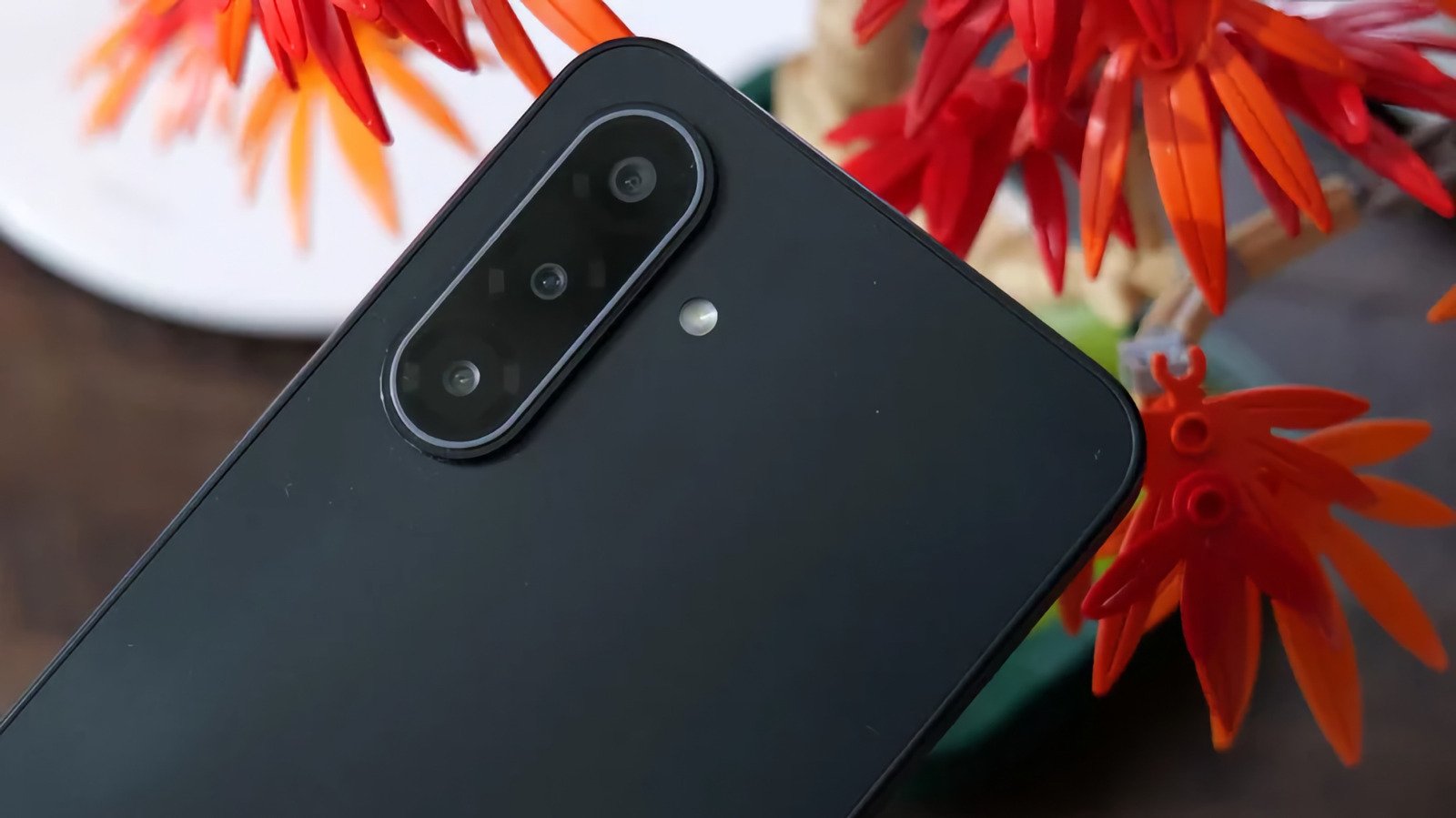
Samsung has taken a widespread approach, increasing the suggested retail prices across its entire Galaxy A lineup. This is a significant development, as the A-series has long served as the company’s primary tool for capturing market share among budget-conscious buyers.
Specifically, the Galaxy A17 5G has seen its price climb from $200 to $270. Similarly, the Galaxy A27 5G has jumped from $350 to $380, while the A37 5G has increased by $40 to a new price of $490. Even the premium mid-range model, the Galaxy A57 5G, has seen a $50 hike, pushing it to $600. These increases, ranging from $30 to $70 per device, demonstrate a systematic effort to re-price the entire mid-tier portfolio. Given that these changes follow earlier adjustments made just months prior, it suggests a volatile period of pricing for Samsung, reflecting the instability of the current semiconductor market.
Google’s Pixel 10a Price Hike
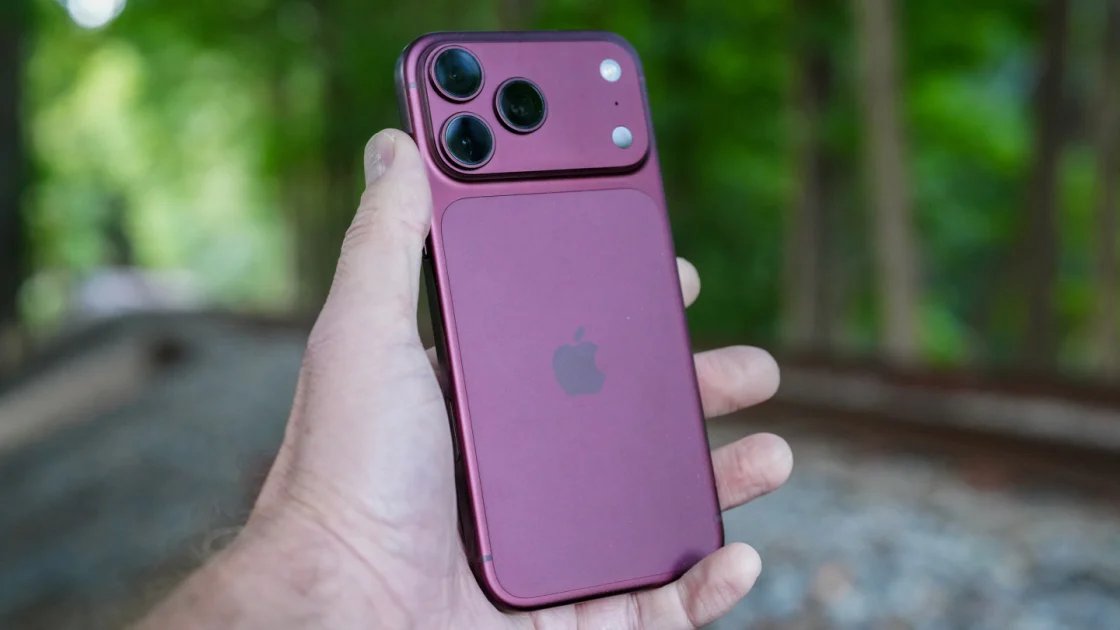
Google, which previously built its brand reputation on offering premium software experiences at aggressive price points, is also buckling under the pressure. The Pixel 10a, which launched in March with an enticing $499 price tag, has received a sudden $100 increase, bringing it to $599.
The situation is even more pronounced in international markets like Canada, where the price adjustment has been significantly more aggressive, rising from $679 to $849. This leap effectively removes the Pixel 10a from the traditional “budget” classification. For many, a sub-$500 device was a psychological threshold that justified the purchase of a mid-range phone; at $599, the device enters a different competitive tier, forcing it to contend with older flagship models and more feature-rich competitors from other manufacturers.
The Outlook for Long-Term Memory Shortages
Analysts are divided on how long these price increases will persist. Some industry experts suggest that an influx of DRAM production, particularly from manufacturers in China, could stabilize supply chains and reduce costs within the next 12 to 18 months. If this production increase occurs as predicted, there is a remote possibility that component prices could retreat from their current peaks.
However, a more pessimistic view is gaining traction among industry insiders. Some forecasts suggest that the current memory scarcity, driven by both structural shifts in the semiconductor industry and the ongoing transition to higher-capacity memory standards, could result in elevated prices through 2030. If this timeline holds, the price hikes observed today are not mere anomalies but rather a permanent re-baselining of what consumers should expect to pay for modern hardware.
Consumer Behavior and the Secondary Market
The inevitable result of these rising prices is a shift in consumer behavior. As new hardware becomes less affordable, the secondary market is poised for significant growth. Buying used or refurbished handsets is no longer just a tactic for the extremely frugal; it is increasingly becoming the only viable way for users to acquire modern hardware without paying a premium that reflects current market volatility.
For those who rely on these devices for essential tasks—such as mobile banking, remote work communication, or education—the lack of affordable new hardware creates a barrier to entry. If the price of entry-level technology continues to climb, the digital divide may widen, as a large portion of the population is priced out of accessing the latest security updates, battery efficiency standards, and software features inherent in new 5G handsets. Moving forward, the focus for both Samsung and Google will be whether they can continue to justify these higher prices with feature upgrades that provide tangible value to the end user.
Disclaimer: This content is auto-generated for informational purposes only.
Source: Read Original News