









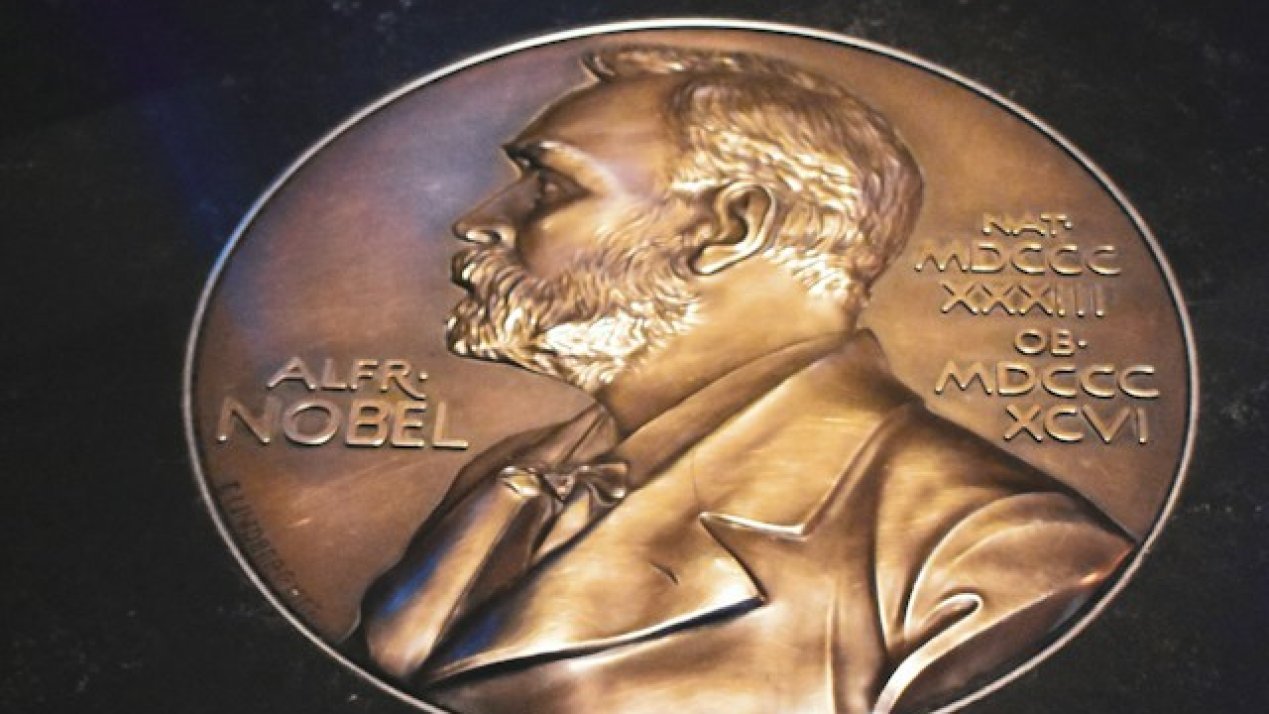
The 2026 Nobel Prize in Physiology or Medicine has been awarded to Karl Deisseroth, Peter Hegemann, and Georg Nagel for their revolutionary development of optogenetics, a technique that allows researchers to control specific neurons using light. While the scientific community celebrates this breakthrough, the announcement highlights a critical intersection between global neuroscience advancement and the evolving regulatory landscape of clinical research in Mexico.
Illuminating the Brain: The Science Behind the Prize
The Nobel Assembly at the Karolinska Institutet recognized the trio for their discovery of light-gated ion channels. The journey began with the study of *Chlamydomonas*, a single-celled aquatic alga. Hegemann and Nagel successfully identified channelrhodopsin, a protein that reacts to light by allowing positively charged ions to enter the cell.
Karl Deisseroth later translated this mechanism for use in mammalian biology. By expressing these proteins in neurons, his Stanford University laboratory demonstrated that scientists could effectively “switch” nerve cells on or off with precise timing. This methodology has since become a staple in neuroscience labs globally, enabling researchers to map the biological foundations of memories, emotions, and complex behaviors. As Per Svenningsson, Chair of the Nobel Committee, noted, the technology offers a level of insight into the brain’s inner workings that was previously confined to the realm of scientific fiction.
Regulatory Shifts and the Clinical Landscape in Mexico
The spotlight on neuroscience innovation arrives as Mexico undergoes a significant overhaul of its health research environment. Under the guidance of Minister of Health David Kershenobich, the federal regulator COFEPRIS has drastically accelerated its processes, reducing the review time for clinical research protocols from 120 days to approximately 30 days.
This regulatory agility, supported by reforms to the General Health Law initiated in early 2026, is part of a broader national strategy to boost foreign investment in the pharmaceutical and biotech sectors. By streamlining the path for international multicenter studies, Mexican regulators hope to position the country as a competitive hub for clinical trials, particularly in specialized fields such as oncology and endocrinology. Pharmaceutical firms and Contract Research Organizations (CROs) are now evaluating how these faster approval windows can be leveraged to integrate Mexico into global research pipelines.
Budgetary Realities vs. Scientific Ambition
Despite the excitement surrounding technological progress, a significant gap remains between medical research potential and public health investment. The 2026 budget for mental health within the Ministry of Health and IMSS-Bienestar has experienced a 13.8% contraction, leaving it at roughly 1.5% of the total budget. This figure falls well short of the 5% threshold recommended by the World Health Organization (WHO).
The broader public health spending in Mexico, currently at 2.6% of the GDP, also reflects a significant distance from the 6% target advocated by the WHO for universal health coverage. The disconnect poses a challenge: while the nation is reforming its administrative processes to attract innovative, high-tech clinical research, the foundational support for mental health and brain health care remains under-resourced.
As the international research community prepares to honor Deisseroth, Hegemann, and Nagel at the Nobel ceremony on December 10, the global spotlight serves as a reminder of how quickly basic science can transform medicine. For nations like Mexico, the challenge will be to harmonize these rapid regulatory improvements with the necessary fiscal support to ensure that the fruits of modern neuroscience research—and the clinical trials that facilitate them—eventually translate into improved patient outcomes for the broader population.
Disclaimer: This content is auto-generated for informational purposes only.
Source: Read Original News