









Albeit dismissing news reports about Iranian crude being diverted from Indian shores because of payment issues, the Ministry of Petroleum and Natural Gas (MoPNG) informed that Indian refiners are indeed purchasing Iranian crude.
| Photo Credit: Getty Images/iStockphoto
The Ministry of Petroleum and Natural Gas (MoPNG) on Saturday (April 4, 2026) dismissed reports that an Iranian crude oil tanker heading to India was diverted to China over payment issues, stating that Indian refiners are, in fact, securing Iranian crude oil.
“Amid Middle-East supply disruptions, Indian refiners have secured their crude oil requirements, including from Iran; and there is no payment hurdle for Iranian crude imports, contrary to rumours being circulated,” the Ministry said in a social media post.
Although the quantum of purchase has not been disclosed, the move marks a reversal from 2019, when India stepped away from purchasing Iranian crude following U.S. sanctions.
While refuting reports attributing vessel diversion to payment issues, the Ministry underlined that companies have “full flexibility to source oil from different sources and geographies based on commercial considerations”. India imports crude oil from over 40 countries, the post added.

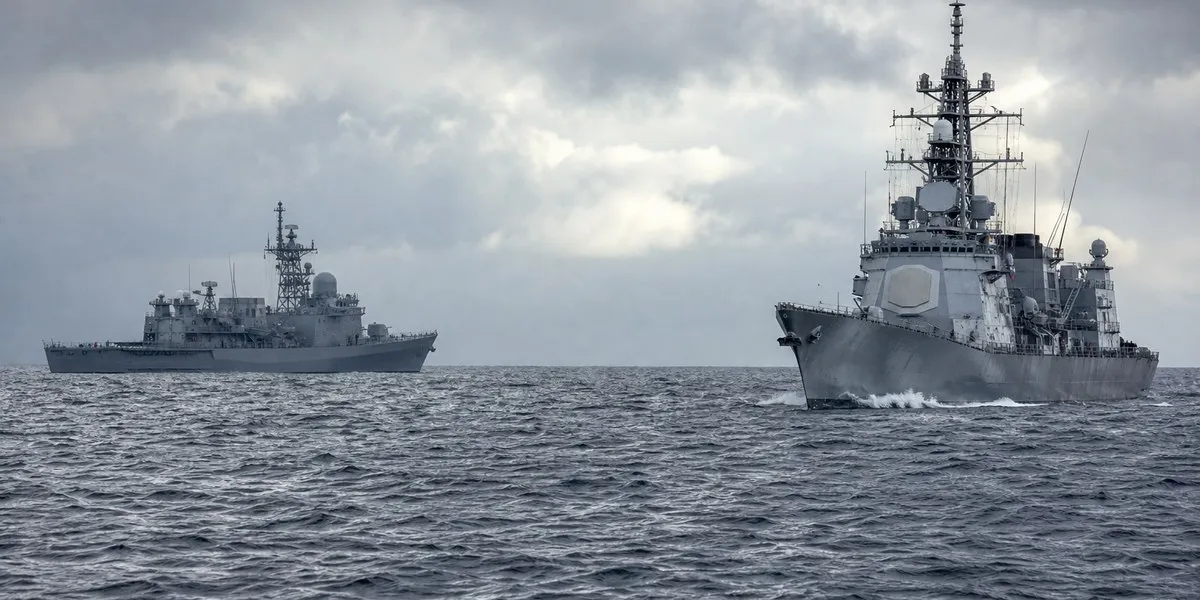
Ping Shun, an Iranian crude oil carrier that had crossed the Strait of Hormuz and was signalling that it was heading to Vadinar, India, for the past three days, is now signalling it is headed for China, as per marine logistics and commodity markets analytics firm Kpler.
Indian refiners have been looking for opportunities to purchase a few cargoes of Iranian oil on water following the recent sanctions waiver by Washington.

The Ministry clarified that changes in vessel destinations during transit are common in global oil trade, as bills of lading often indicate tentative discharge ports and cargoes may be rerouted mid-voyage for operational and commercial reasons.
“Claims on vessel diversion ignore how the oil trade works. Bills of Lading often carry indicative discharge ports, destinations and on-sea cargoes can change destinations mid-voyage based on trade optimisation and operational flexibility,” the Ministry said, adding, “It is reiterated that India’s crude oil requirements remain fully secured for the coming months.”
Meanwhile, motor tanker Aurora (new name Sea Bird) has been discharging 43,910 metric tonnes of Liquefied Petroleum Gas (LPG) at New Mangalore Port (NMP) since April 2. NMP sources said the tanker carrying LPG from Iran arrived at the port anchorage on March 30.
Another LPG tanker, MT Al Ain, sailing from Saudi Arabia’s Yanbu Port, too, has berthed at NMP on Saturday and began discharging 23,000 metric tonnes of LPG for three public sector oil marketing companies (OMCs).
MT Jag Vasant, presently at Mumbai anchorage, is expected to arrive at New Mangalore Port on April 8 to discharge 9,500 metric tonnes of LPG for the three OMCs
Historically, India was a major buyer of Iranian crude, importing significant volumes of Iranian light and heavy grades due to strong refinery compatibility and favourable commercial terms.
(With contribution from Anil Kumar Sastry)
Published – April 04, 2026 03:25 pm IST