







India Poised to Become World’s Fourth-Largest Economy by 2027
India is set to achieve a major milestone in its economic trajectory, with government officials confirming projections that the nation will overtake Japan to become the world’s fourth-largest economy by the end of March 2027. This shift in the global economic order would place India directly behind only the United States, China, and Germany.
V. Anantha Nageswaran, the Chief Economic Adviser to the Indian government, recently outlined this forecast, noting that while the transition was initially anticipated sooner, the country remains firmly on a path of consistent growth. Providing a snapshot of the nation’s current fiscal health, Nageswaran highlighted that the Indian economy recorded a robust 7.8% year-on-year growth rate during the April-to-June quarter.
A Resilient Economic Foundation
The Chief Economic Adviser expressed confidence in the current state of India’s economic framework, characterizing it as remarkably resilient with few structural vulnerabilities. According to Nageswaran, India’s performance in critical areas—specifically job creation and the upward trajectory of income levels—has surpassed that of many Western nations during the same period.
Despite this optimism, the government is not ignoring the challenges that accompany such rapid expansion. Nageswaran openly acknowledged that youth unemployment remains a pressing concern. He pointed specifically to the difficulties faced by young women in urban environments, noting that the pace of progress in addressing these regional and demographic employment gaps has been slower than authorities would prefer.
Strategic Focus on Agriculture and Industry
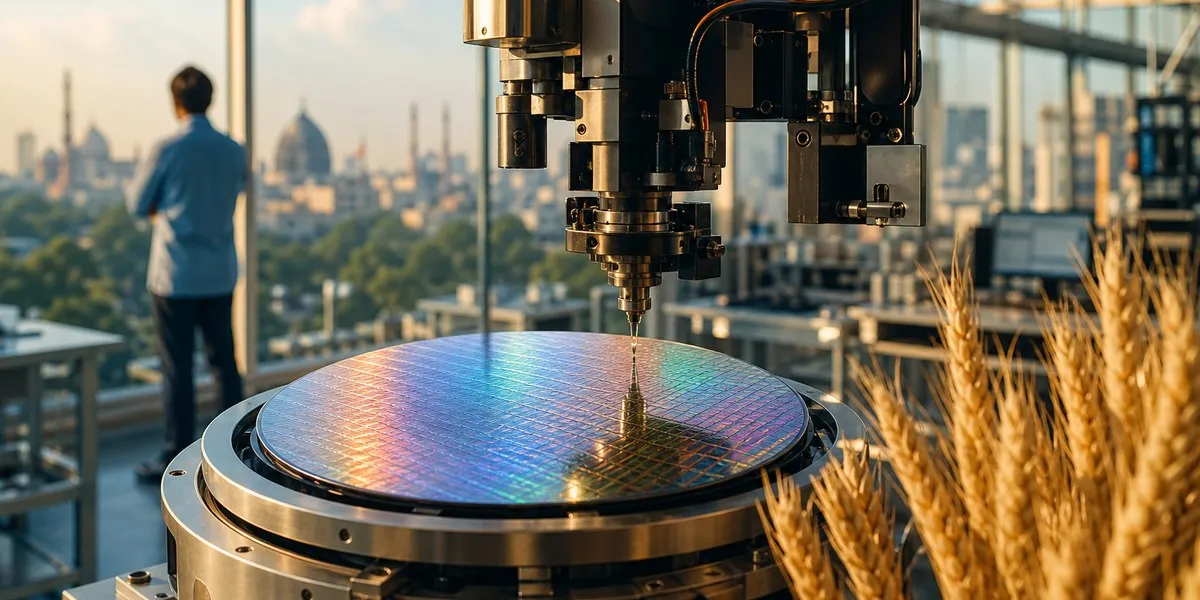
Looking toward the future, the government is shifting its focus to sectors that can provide long-term stability and broader economic inclusion. Agriculture has been identified as a key pillar for future growth. Nageswaran emphasized that New Delhi must prioritize the agricultural sector by boosting added value and investing in advanced food processing capabilities. By transitioning from basic farming to higher-value-added agro-products, the country hopes to strengthen rural livelihoods and improve national productivity.
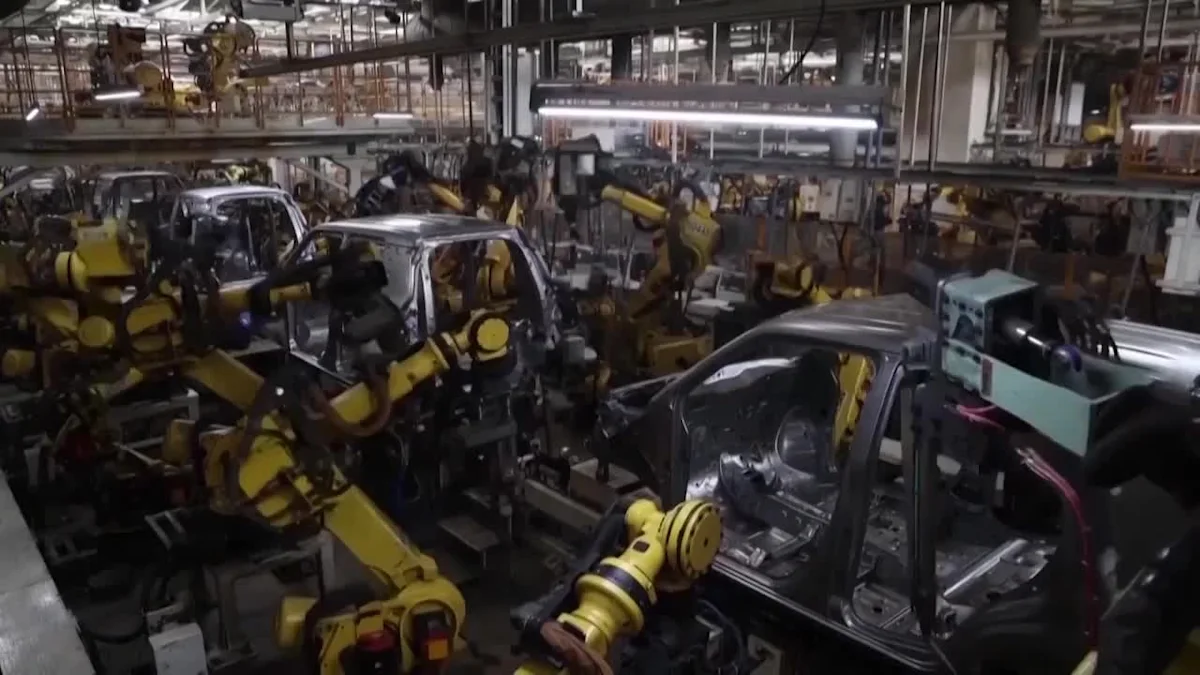
Beyond the farm sector, India is looking to learn from international success stories, particularly Japan. Nageswaran pointed to Japan’s mature ecosystem of small and medium-sized enterprises (SMEs), which have effectively leveraged intellectual property to dominate niche global markets. He expressed a strong desire for increased Japanese investment in India, particularly in high-tech sectors such as precision equipment manufacturing, machine tools, and the rapidly growing semiconductor industry.
As India continues its steady climb up the global GDP rankings, the government’s focus remains split between maintaining the high growth momentum that has characterized its recent fiscal years and solving the complex, deep-rooted issues of employment and industrial integration. By fostering stronger international partnerships and modernizing key domestic sectors, India aims to cement its status as a vital engine of the global economy by 2027 and beyond.
Disclaimer: This content is auto-generated for informational purposes only.
Source: Read Original News