








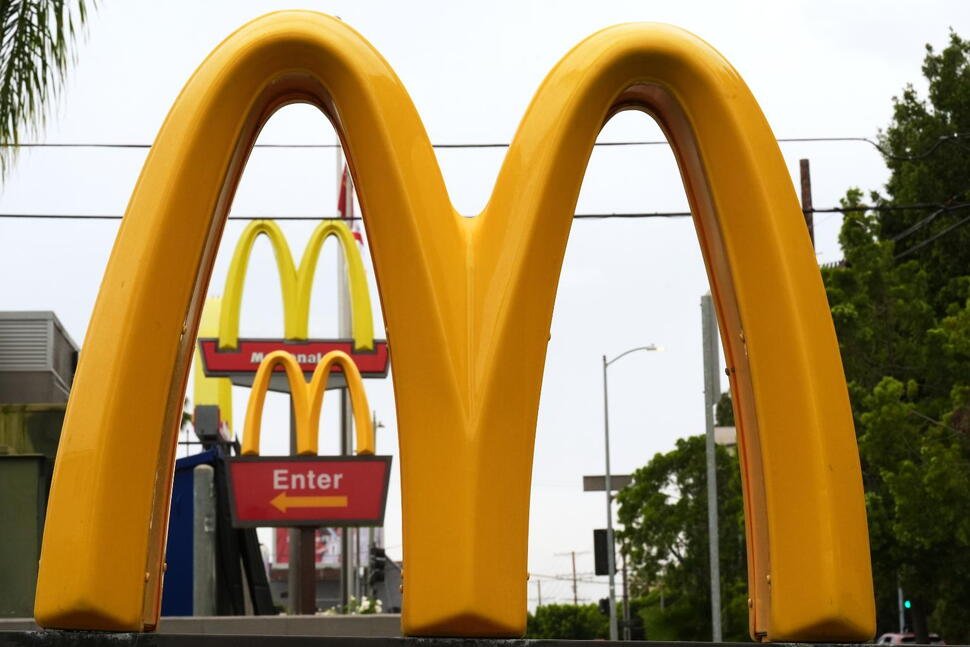
McDonald’s is facing a significant legal challenge that highlights the growing tension between corporate-led artificial intelligence initiatives and antitrust regulations. A federal class-action lawsuit filed in Illinois alleges that the fast-food giant has weaponized AI-enhanced pricing software to facilitate what plaintiffs characterize as “algorithmic price-fixing,” pushing menu prices higher for budget-conscious consumers.
The core of the dispute centers on how the Chicago-based corporation uses data to influence the menu prices set by its thousands of franchisees. While the company maintains that it provides only advisory insights, the lawsuit claims the system creates a centralized mechanism for managing price points across competing locations, potentially violating federal antitrust laws.
## The Role of AI in Modern Pricing Strategies
For over a decade, McDonald’s has utilized an AI-driven platform to assist its operators in determining the most effective prices for menu items. According to the company, this software processes vast amounts of data—including local competition, store-level sales volume, and regional market trends—to provide owners with recommendations. Because approximately 95% of the 14,000 McDonald’s locations in the U.S. are owned by independent franchisees, the company argues that these operators retain final authority over their own pricing.
However, the lawsuit filed by Illinois resident Michael Thomas paints a more coercive picture. The complaint alleges that by aggregating granular, nonpublic sales data from across the country, McDonald’s has essentially created an information-sharing network that eliminates the competitive pricing environment that would otherwise exist between individual franchises. The plaintiff argues that this technology allows for a synchronized increase in prices, disproportionately affecting customers who are already feeling the strain of economic pressures.
## Corporate Defense vs. Allegations of Leverage
In a statement responding to the filing, McDonald’s dismissed the allegations as factually inaccurate. The company emphasized that its AI tools are strictly optional and serve only to provide context for business decisions. A company spokesperson clarified that the software does not automate or coordinate pricing; rather, it provides a dashboard of data points that allows owners to react to local market fluctuations.
Legal experts note that the case hinges on the degree of influence the corporation holds over its franchise network. The lawsuit contends that McDonald’s wields “significant leverage” over its operators, effectively pressuring them to adopt the suggested pricing models generated by the AI platform. By influencing these local decisions from a corporate level, the plaintiff argues that the company is facilitating a form of indirect price-fixing, a practice that generally invites intense scrutiny from federal regulators.
## The Broader Tech Trend in the Fast-Food Industry
This lawsuit arrives at a time when the broader restaurant industry is leaning heavily into data analytics and machine learning to combat fluctuating foot traffic and changing consumer habits. As fast-food chains fight to regain the loyalty of lower-income diners, many have pivoted toward “value strategies,” such as limited-time $3-menu offers.
Yet, the adoption of these strategies often highlights the friction within corporate franchising. As McDonald’s CEO Chris Kempczinski recently noted to investors, corporate recommendations do not always result in uniform implementation, as only 60% of U.S. stores opted into a recent national value promotion.
The legal proceedings represent a critical test case for how AI is perceived in the retail and food service sectors. If the court certifies the lawsuit as a class action, it could force a radical change in how major corporations collect and utilize transactional data to influence local storefronts. The plaintiff is seeking not only monetary damages but also an injunction that would limit the company’s ability to enforce pricing agreements that critics claim stifle competition. As both sides prepare for a legal battle, the case underscores the growing public anxiety regarding how algorithmic systems impact the daily cost of living.
Disclaimer: This content is auto-generated for informational purposes only.
Source: Read Original News