









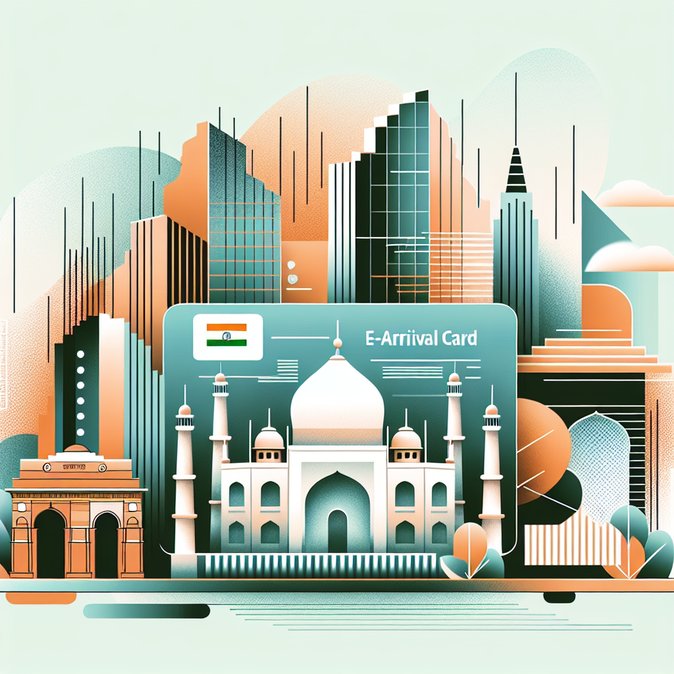
From 1 April, India has abolished the decades-old paper disembarkation form, making submission of a digital e-Arrival Card compulsory for all foreign nationals and Overseas Citizen of India (OCI) holders. While the measure targets all inbound passengers, it has immediate practical implications for Chinese tourists, business travellers and students, who together accounted for nearly 380,000 arrivals last year. The card—accessible via the Bureau of Immigration website, the Indian Visa Online portal and the Su-Swagatam mobile app—must be filed within 72 hours before arrival. Families of up to five may file a single form, and travellers receive a QR code to present at immigration. Officials say the switch has already cut processing times by 40 percent during pilot trials.
Travel organisers looking for a one-stop solution to these new requirements can turn to VisaHQ, which streamlines e-forms and visa logistics for Chinese passport holders heading to India. By visiting https://www.visahq.com/china/ companies can delegate the preparation of the e-Arrival Card alongside entry visas, receive deadline reminders, and tap 24/7 support to avoid last-minute snags at the border.
Chinese corporates sending staff to India should update pre-trip checklists: although visas remain unchanged, failure to complete the e-Arrival Card can mean manual data entry and long queues on arrival. Mobility managers should also ensure travellers have internet access en-route to submit last-minute updates. Data-privacy lawyers note that India’s system stores passenger information for up to six months, shorter than many comparable schemes, but companies should still brief employees on data-handling practices. Frequent travellers may lobby for a fast-track integration with India’s trusted-traveller programme once it rolls out. The move is part of a wider digital-border trend in Asia—mirroring recent shifts in Singapore and Thailand—and reinforces the importance of real-time compliance for Chinese nationals operating across multiple jurisdictions.