








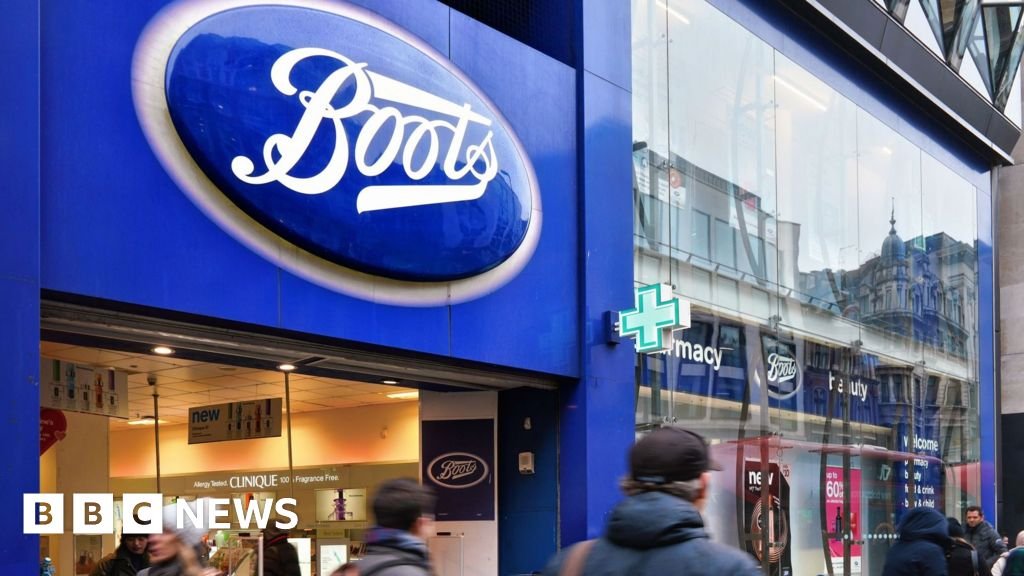
The landscape of British retail underwent a seismic shift this Wednesday as the long-standing High Street staple, The Body Shop, confirmed its sale to a new private equity firm. The announcement, which marks the end of a turbulent period for the iconic cosmetics brand, underscores the accelerating pressure traditional retailers face in an era increasingly defined by digital transformation, artificial intelligence (AI), and the heavy influence of tech giants like Google.
## The Digital Pivot: Retail Under Pressure
For decades, The Body Shop thrived on a brick-and-mortar strategy rooted in physical sensory experiences. However, the recent decline of its high-street footprint highlights a broader industry trend: the “death of the store” is not necessarily a loss of business, but rather a migration toward data-driven consumer engagement.
As the new ownership group takes the reins, industry analysts suggest that their immediate priority must be a total digital overhaul. Modern retail survival now requires deep integration with ecosystems like Google Cloud and Google Shopping. Companies that fail to leverage real-time data analytics to forecast inventory trends or personalize online storefronts are finding themselves obsolete. The Body Shop’s struggle serves as a case study for legacy brands that have been slow to adopt the sophisticated AI tools currently employed by agile, digital-native competitors.
## AI as the New Store Manager
The acquisition comes at a time when artificial intelligence is revolutionizing the retail sector from the inside out. Retailers are no longer just selling products; they are selling predictive experiences. Google’s latest updates to its Search Generative Experience (SGE) and AI-powered shopping features have set a new bar for how consumers discover products.
Future operations for the chain will likely need to harness similar machine learning capabilities to survive. AI-driven supply chain management can reduce the waste that previously plagued physical retail outlets, while generative AI can create bespoke marketing campaigns tailored to individual customer profiles in milliseconds. By utilizing tools like Google’s Vertex AI, retailers can now bridge the gap between their historical brand identity and the futuristic demands of the Gen Z consumer base, who expect hyper-personalized digital interactions before they even step foot inside a physical store.
## Navigating the Tech-Driven Future
The sale also raises questions about how traditional high-street chains can regain visibility in a search environment dominated by AI summaries and algorithm-heavy results. For The Body Shop to reclaim its status, it must navigate the “Google Lens” economy, where customers identify products via image searches rather than keywords. If a legacy brand cannot be indexed, identified, or recommended by the AI models that power modern consumer decision-making, it effectively ceases to exist for a large segment of the population.
Investment experts indicate that the new owners will likely focus on an omnichannel approach, where physical stores serve as experience hubs backed by a robust digital infrastructure. This means integrating Google Maps and Local Inventory Ads to ensure that when a customer searches for a product near them, the brand appears at the top of the feed with live stock data.
As The Body Shop prepares for its next chapter, the message to the wider retail industry is clear: physical heritage is no longer a shield against the technological revolution. To compete in today’s market, even the most cherished High Street names must embrace a data-first philosophy, utilizing the sophisticated AI and cloud capabilities that Google and its peers have made the new standard for global commerce. Whether the brand can successfully pivot remains to be seen, but the sale marks a definitive closing of the door on the old way of doing business.
Disclaimer: This content is auto-generated for informational purposes only.
Source: Read Original News