







India Poised to Defer UPI Merchant Fees Amid Festive Shopping Surge
MUMBAI — In a move aimed at safeguarding consumer sentiment during the nation’s most critical shopping period, Indian regulators are reportedly planning to postpone the implementation of a controversial new fee on Unified Payment Interface (UPI) transactions. The levy, which was slated to impact high-value merchant payments, is now expected to be pushed back by several months to avoid disrupting the peak festive season.
The decision follows extensive internal discussions between regulatory officials and key industry stakeholders. While a formal announcement is pending, the consensus suggests that the transition to a fee-based model will be delayed beyond the original October 15 launch date.
Balancing Monetization with Market Stability
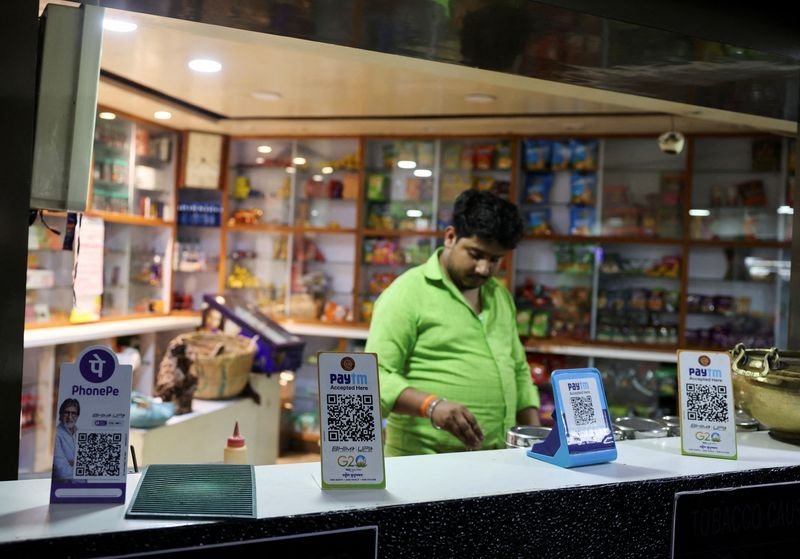
Last month, authorities had signaled an end to the era of completely free digital transactions by authorizing a 0.4% service charge on merchant payments exceeding ₹2,000. UPI has become the bedrock of India’s digital economy, facilitating everything from micro-transactions at street-side tea stalls to high-end electronics purchases, with a user base currently exceeding 500 million people.
The proposed levy was initially viewed as a milestone for the digital payments ecosystem, offering a much-needed monetization pathway for payment service providers (PSPs). By allowing these firms to retain a portion of the transaction fees, regulators intended to bolster the long-term financial viability of the infrastructure that supports India’s digital transformation.
However, the timing of the rollout—coinciding with the festive season that runs from October through December—raised significant concerns. This three-month window represents the highest volume of consumer spending in the Indian retail calendar. A sudden introduction of new costs, even those targeted at merchants, risked creating friction or unintended price hikes for consumers during a period of high economic activity.
Industry and Investor Reaction
The uncertainty surrounding the implementation has already sent ripples through the financial markets. Digital payments stocks experienced a sharp correction on Thursday, reflecting investor anxiety over the delayed revenue realization. Major players in the space saw significant losses, with Paytm shares declining by approximately 7.6%, while One Mobikwik Systems saw its valuation dip by 7.2%.
Industry executives familiar with the matter indicated that the delay serves a dual purpose: it protects the retail momentum of the festive season and grants the payments industry essential lead time to refine its technical backend and communicate the new pricing structures to merchants.
The National Payments Corporation of India (NPCI), the body responsible for overseeing the UPI network, has not yet issued an official statement regarding the timeline shift.
As the digital economy continues to scale at an unprecedented rate, the government faces the delicate challenge of fostering sustainable growth for payment providers without compromising the widespread accessibility and ease of use that have made UPI a global success story. For now, millions of Indians can continue their festive shopping spree without the immediate worry of new transaction levies, as the regulatory body opts for a cautious, stability-first approach.
Disclaimer: This content is auto-generated for informational purposes only.
Source: Read Original News