






India Rips Into Pakistan at UN: ‘A Consequence of Your Own Creation’
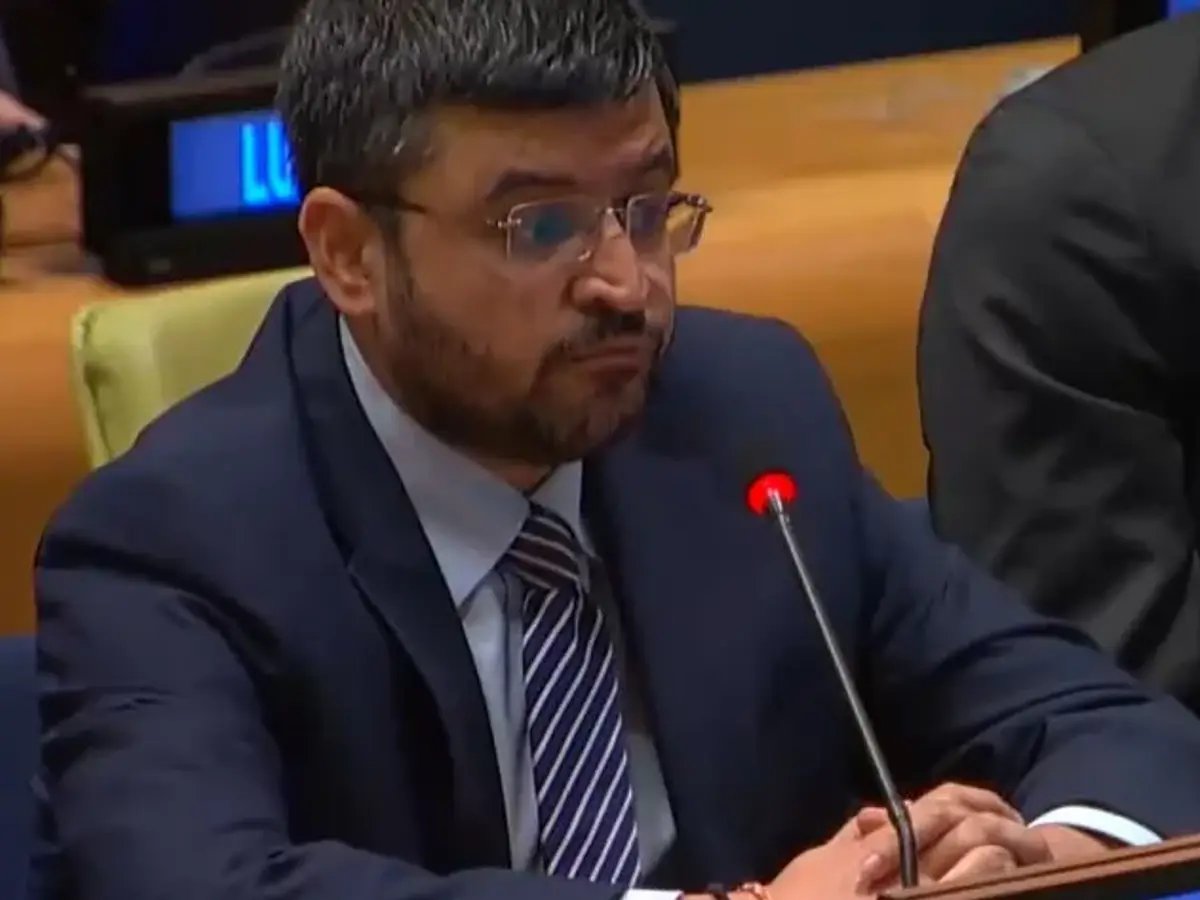
In a sharp and stinging rebuke at the United Nations, India has unequivocally accused Pakistan of losing control over the very terrorist entities it once nurtured to fulfill its geopolitical ambitions. During a recent session, Indian diplomat Raghoo Puri dismantled Islamabad’s attempts to deflect blame, asserting that the regional instability plaguing Pakistan is a direct outcome of its long-standing policy of state-sponsored terrorism.
The Indian mission highlighted that the “Frankenstein’s monster” of terror groups, which Islamabad formerly described as “strategic assets,” has now turned against its creators. The Indian delegation cited recent admissions from high-ranking Pakistani political figures, specifically Maryam Nawaz and Nawaz Sharif, as evidence that the state is grappling with internal security threats spawned by its own radicalized proxy networks. By referencing these internal admissions, India effectively exposed the inherent fragility of a nation that continues to harbor extremists while simultaneously claiming to be a victim of terrorism.
Rejecting the ‘Operation Sindoor’ Narrative
During the proceedings, New Delhi categorically rejected Pakistan’s attempts to fabricate and peddle falsehoods regarding what Islamabad termed “Operation Sindoor.” The Indian diplomat dismissed these claims as part of a recurring pattern of psychological warfare and historical revisionism.
India’s response was a stern reminder that the international community is no longer swayed by Pakistan’s disinformation campaigns. Instead of engaging in fabricated narratives, India urged the UN to hold Pakistan accountable for its failure to dismantle the infrastructure of terror operating from its soil. The Indian intervention emphasized that Islamabad’s preoccupation with creating imaginary scenarios serves only to obscure its abysmal human rights record and its complicity in regional violence.
The Persistent Shadow of 26/11 and Masood Azhar
The Indian delegation’s statement was punctuated by sobering reminders of the cross-border atrocities that continue to strain bilateral relations. The diplomat pointedly invoked the 2008 Mumbai terror attacks (26/11), an event that remains a deep-seated open wound for India. By bringing up the ongoing lack of justice for the victims of Mumbai, India reiterated that Pakistan’s promises of accountability remain empty rhetoric.
Furthermore, India raised the issue of the Pahalgam incidents and the continued safe havens afforded to internationally designated terrorists, such as Masood Azhar. Despite global pressure and mounting evidence, the masterminds of these attacks continue to roam freely within Pakistan, protected by the state machinery.
“Pakistan stands as the global epicenter of terrorism,” the Indian representative stated, noting that the international community is increasingly aware of Islamabad’s double game. The address concluded with a call for the global body to stop treating Pakistan’s grievances as legitimate, arguing that a country which actively shelters UN-sanctioned terrorists has forfeited the moral standing to lecture others on regional security.
As the session drew to a close, India’s firm stance signaled a shift in strategy: instead of merely defending against Pakistani allegations, New Delhi is now systematically highlighting the internal contradictions of its neighbor, forcing the international community to witness the consequences of Pakistan’s failure to abandon its destructive regional agenda.
Disclaimer: This content is auto-generated for informational purposes only.
Source: Read Original News