







The Technical Reality of the Gears of War: E-Day Launch
The release of Gears of War: E-Day marked a significant milestone for the franchise, serving as a prequel intended to ground the series in its original, grittier roots. However, the arrival of the title on Steam, Xbox, and Game Pass has been met with a complex reception that blends technical performance hurdles with shifting audience expectations. While industry analysts often look to Steam as a barometer for a game’s success, the data for E-Day suggests a fragmented landscape. With a peak of 31,517 concurrent players on Valve’s platform, the numbers are notably conservative for a marquee Microsoft release.
It is important to contextualize these metrics. A substantial portion of the Gears of War audience operates within the Microsoft ecosystem via Xbox Series consoles and the Game Pass subscription service. Unlike titles released exclusively through Steam, E-Day’s availability on subscription-based platforms likely dilutes the concurrent player count on third-party storefronts. Furthermore, the launch occurred during the middle of the work week, a timing that traditionally suppresses initial engagement figures. Whether the title maintains its presence through the weekend will provide a more accurate assessment of its long-term viability in the current gaming market.
Technical Stability and Performance Bottlenecks
A significant factor influencing the early discourse surrounding E-Day is the state of its technical optimization on PC. Player feedback, reflected in the 74% positive rating on Steam, highlights recurring instances of software instability. Frequent crashes and performance stutters have marred the experience for many users, particularly those running hardware configurations that should theoretically handle the game without difficulty. These technical shortcomings often stem from shaders compilation errors or compatibility conflicts between the game’s engine and various graphics drivers.
From a development standpoint, these issues are particularly challenging for a high-fidelity title like Gears of War, which relies heavily on Unreal Engine’s advanced lighting and texture streaming capabilities. When a game fails to stream assets efficiently, it often leads to frame pacing issues or direct application terminations. For PC users, who expect a high degree of customization and stability, these technical lapses create friction that overshadows the graphical fidelity the franchise is known for. Addressing these bugs through post-launch patches is essential if Microsoft intends to stabilize the reputation of the PC port and encourage positive word-of-mouth.
Marketing Discrepancies and Narrative Reception
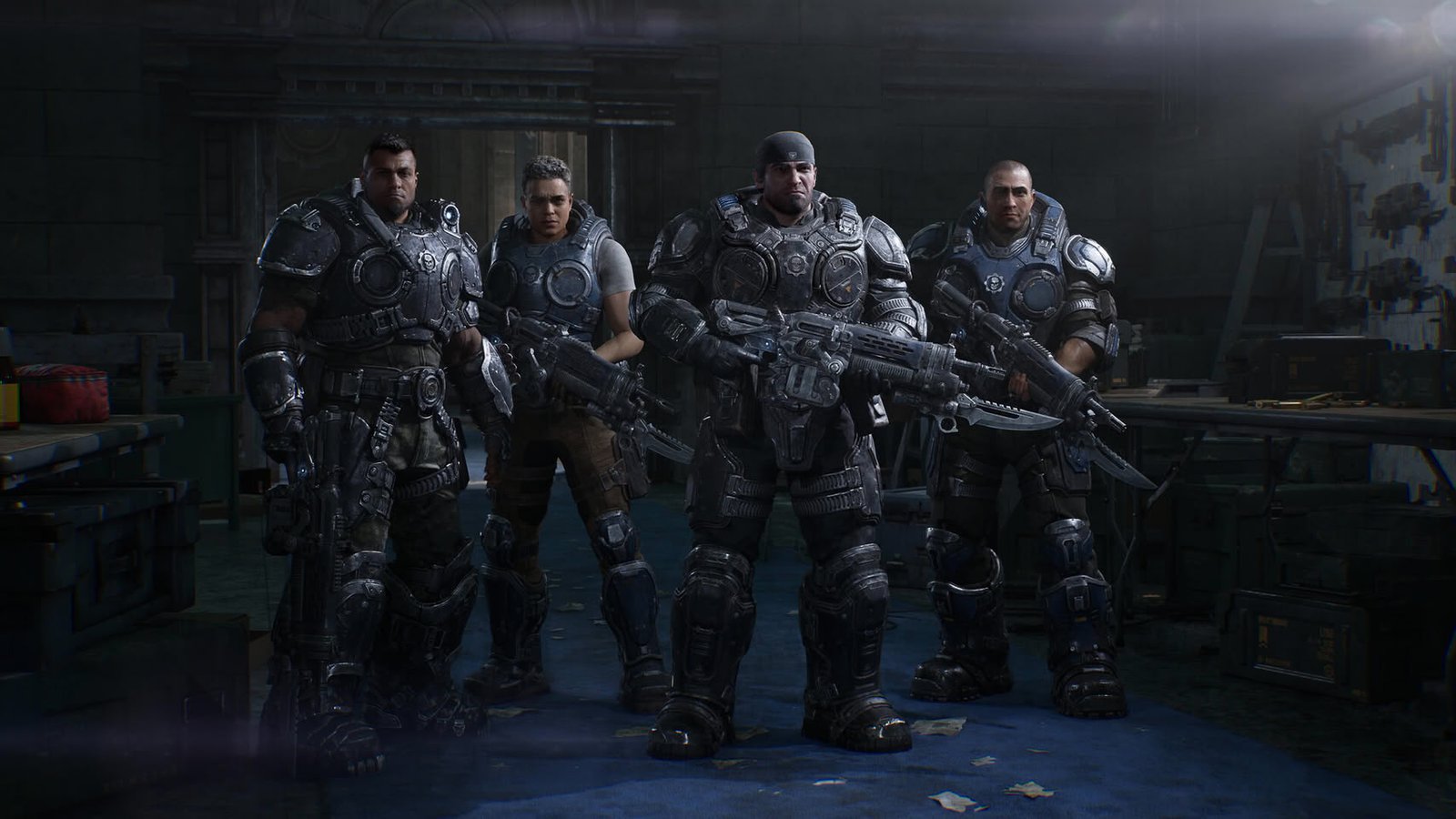
Beyond the code itself, the narrative delivery of E-Day has become a point of contention for the series’ most devoted followers. Marketing campaigns leading up to the release leaned heavily into nostalgia, specifically targeting the emotional connection fans have with the original cast. By positioning the game as a return to the roots of Marcus Fenix and Dom Santiago, the promotional material set specific expectations regarding the character-driven story.
When players discovered that these characters were sidelined or replaced early in the narrative flow, the disconnect between the marketing promise and the actual gameplay experience became a major driver of negative sentiment. This mismatch illustrates a common dilemma in modern media strategy: how to leverage established intellectual property to generate excitement without alienating the base through bait-and-switch tactics. For long-time fans, the narrative bait was not merely a misunderstanding; it was perceived as a fundamental betrayal of the marketing collateral that convinced them to engage with the prequel in the first place.
Feature Sets and Multiplayer Deficiencies
The transition to a new iteration of the Gears of War multiplayer suite has also invited scrutiny regarding the missing feature set. Modern competitive shooters are judged heavily on the robustness of their lobby systems and the depth of their mechanics. Complaints regarding the absence of custom lobbies and the omission of the “meat shield” mechanic—a staple tactical element in previous entries—suggest that the current build may feel stripped down compared to its predecessors.
For a franchise built on the strength of its intense, cover-based multiplayer combat, the removal of established strategic mechanics can feel like a step backward. Custom lobbies are vital for the longevity of any competitive shooter, as they provide the infrastructure for community-run tournaments, casual play, and social interaction. By launching without these foundational elements, E-Day has left a segment of its competitive community feeling underserved. Whether these features were omitted due to time constraints or as a deliberate pivot in game design remains a point of frustration for the player base.
The Future of the Franchise on Xbox
Despite the lukewarm launch, the long-term prospects for Gears of War: E-Day hinge on the developer’s ability to pivot toward the community’s needs. Microsoft has a history of iterating on its major franchises through consistent update cycles, and the current state of E-Day is likely to receive significant attention in the coming months. By prioritizing hotfixes for the stability issues and potentially reintroducing core mechanics that fans identify as essential, the studio has the opportunity to reclaim the narrative.
The industry continues to evolve, and the reliance on day-one stability is higher than ever. For a title meant to reignite interest in a long-running franchise, the lesson of E-Day is clear: technical polish and transparent communication regarding feature sets are as important as the core gameplay loop itself. As the player base moves past the initial launch window, the focus will shift from the raw data of concurrent players to the quality of life improvements that define the game’s ultimate legacy. Whether E-Day matures into a title that rivals the impact of the original trilogy or remains an experimental departure will be determined by how effectively the development team addresses these early obstacles.
Disclaimer: This content is auto-generated for informational purposes only.
Source: Read Original News