







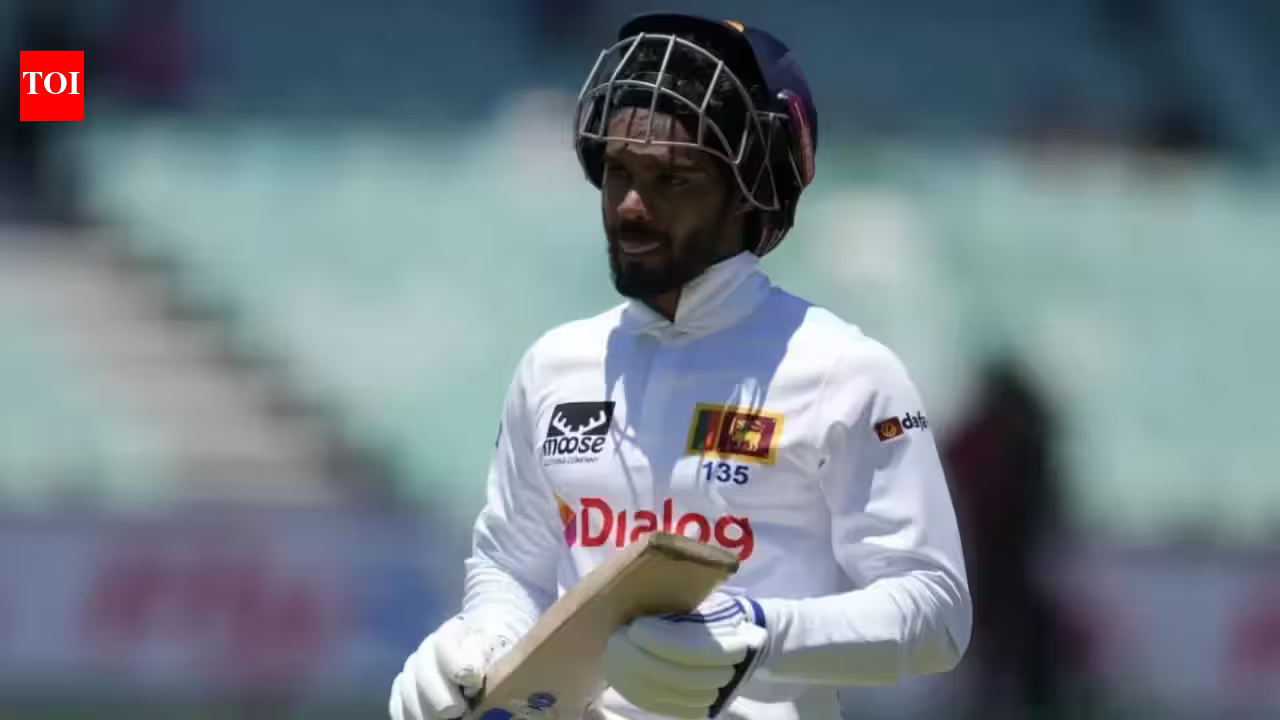
COLOMBO — In a significant development that marks a pivotal transition for the national cricket team, Dhananjaya de Silva has officially stepped down as Sri Lanka’s Test captain with immediate effect. The 35-year-old all-rounder, who took the helm in January 2024 following the retirement of long-time skipper Dimuth Karunaratne, has opted to relinquish his leadership duties after an 18-match tenure.
De Silva, a cornerstone of the middle order and a vital bowling option for the Lions, communicated his decision to the Sri Lanka Cricket (SLC) selection committee via a formal letter. He expressed a desire to focus on his contributions as a player, paving the way for a fresh direction for the squad.
“It’s my genuine opinion that the mantle should go down to the next generation,” de Silva stated in his resignation letter. The decision underscores a selfless approach from the veteran, who has insisted that he remains fully available for selection as a regular player, continuing to offer his expertise as one of the most experienced members of the dressing room.
A Tenure Defined by Grit and Growth
Dhananjaya de Silva’s captaincy, which spanned from 2024 to 2026, was characterized by both notable highs and the inevitable challenges of navigating a team through a rebuilding phase. Over his 18 Tests in charge, de Silva led the side to seven victories, suffered eight defeats, and oversaw three draws.
While the win-loss ratio paints a moderate picture, the quality of his leadership was perhaps most visible in the team’s resilience. Under his guidance, Sri Lanka enjoyed significant series successes, most notably against Afghanistan at home and a dominant display against Bangladesh, both on home soil and abroad. Furthermore, his leadership culminated in a morale-boosting home series victory against New Zealand, a result that highlighted the team’s tactical growth under his stewardship.
Perhaps the crowning moment of his tenure arrived early. In only his second match as captain, de Silva produced a masterclass in Sylhet against Bangladesh, scoring centuries in both innings. That performance proved instrumental in securing a massive 328-run victory and provided the template for the aggressive brand of cricket he aimed to instill in the team. Throughout his time as captain, he maintained a batting average of 36.45, consistently leading by example when the situation demanded composure.
Navigating Challenging Waters
The timing of de Silva’s resignation comes on the heels of a testing period for the Sri Lankan Test side. Currently sitting seventh in the World Test Championship (WTC) standings, the team has endured a difficult stretch, including a series defeat in the West Indies and a comprehensive home series loss to India.
The pressure of the WTC cycle, combined with the complexities of managing a team in transition, has been a recurring theme in international cricket. De Silva, who has appeared in 69 Test matches for his country, clearly felt that the team’s current predicament required a change in voice and perspective to climb back up the table.
SLC CEO Ashley de Silva expressed the board’s gratitude for the departing captain’s service. “Sri Lanka Cricket wishes him the very best for the remainder of his career and thanks him for the leadership he provided to our Test team,” he said in an official statement.
Looking Ahead: The Road to Rawalpindi
The focus for Sri Lanka Cricket now shifts to the urgent task of identifying a successor. With the leadership vacuum open, the selection committee faces a tight turnaround. The team is scheduled for a high-stakes two-match Test series against Pakistan, set to begin on November 9 in Rawalpindi.
The upcoming tour of Pakistan represents a critical junction for the Lions. With a new captain yet to be named, speculation is already swirling regarding who will inherit the armband. Potential candidates will be evaluated not only on their tactical acumen but also on their ability to command the respect of a dressing room that is currently looking to bounce back from recent international setbacks.
For de Silva, the move away from the captaincy could be the catalyst for a late-career surge. Freed from the relentless administrative and strategic demands of the leadership role, the veteran will be looking to focus on the nuances of his batting and the craft of his off-spin. As he steps back into the ranks, he remains a vital figure for the next captain, offering a reservoir of experience that will be essential for whoever takes charge in Rawalpindi.
As the squad prepares for the journey to Pakistan, the cricket world will be watching closely to see how the team responds to this change. For now, the transition serves as a stark reminder of the revolving nature of leadership in professional sports, where the goal is rarely about holding the position indefinitely, but about knowing when the time is right to hand over the baton to the next generation of talent.
Disclaimer: This content is auto-generated for informational purposes only.
Source: Read Original News