







Technical Evolution and Legacy in the Gears of War Franchise
The Gears of War series has long served as a technical benchmark for third-person cover-based shooters. Since the release of the original title on the Xbox 360, the franchise has utilized advanced lighting, environmental destructibility, and sophisticated artificial intelligence to define a gritty, war-torn aesthetic. Beyond the technical advancements in the Unreal Engine—which powered the series through its inception—the franchise established a dense narrative framework centered on the Coalition of Ordered Governments (COG) and their desperate struggle against the Locust Horde.
Recent discourse surrounding the release of Gears of War: E-Day has attempted to challenge the historical composition of the series’ character roster. Critics have suggested that the current iteration of the franchise reflects a departure from its established design philosophy. However, an analysis of the series’ technical documentation and historical narrative logs confirms that the integration of diverse character archetypes has been a functional component of the Gears universe since its initial launch. The portrayal of female soldiers and leaders is not a recent mechanical addition, but a persistent design element that has evolved alongside the franchise’s graphical capabilities.
Architectural Consistency and Character Integration
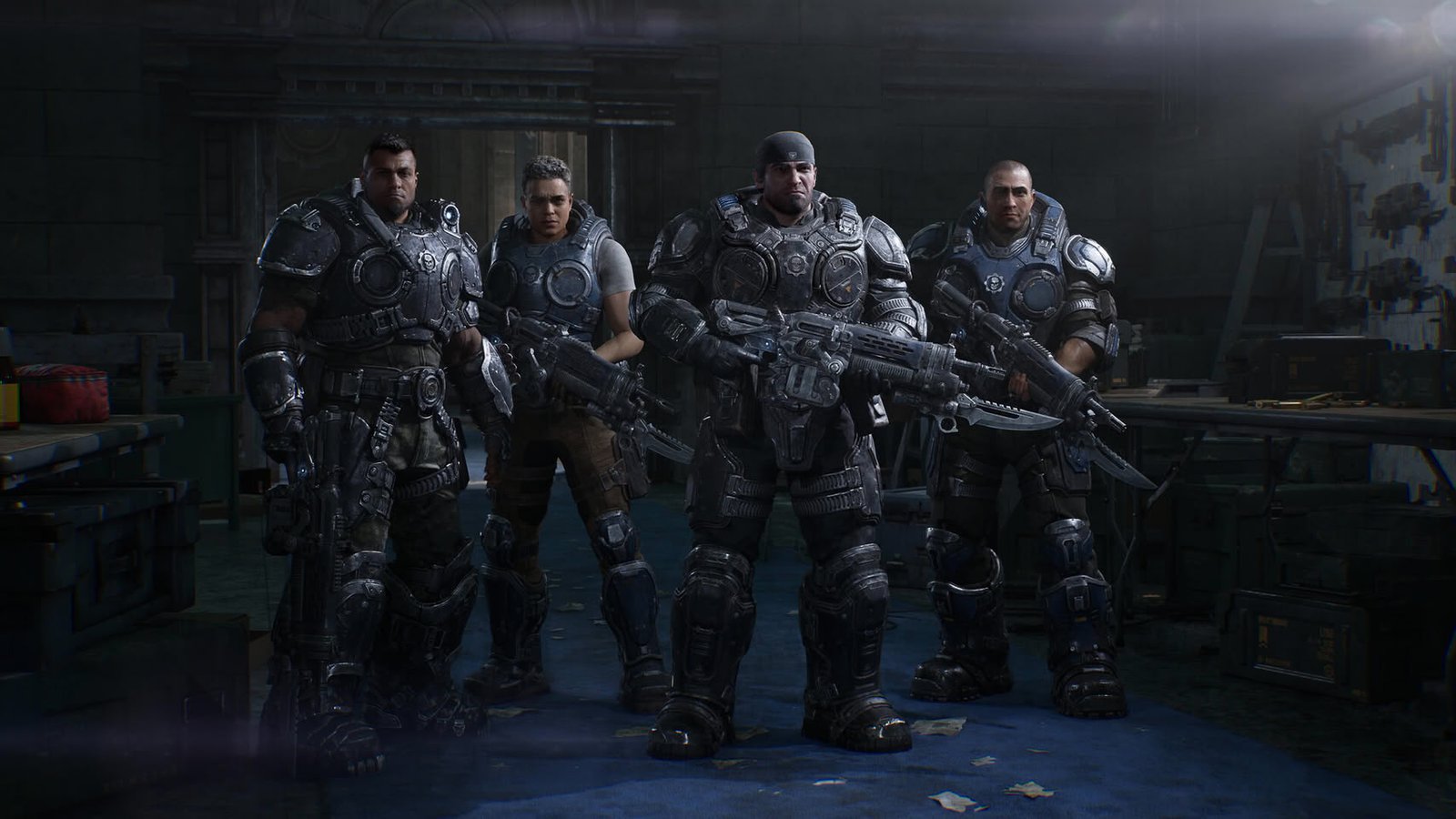
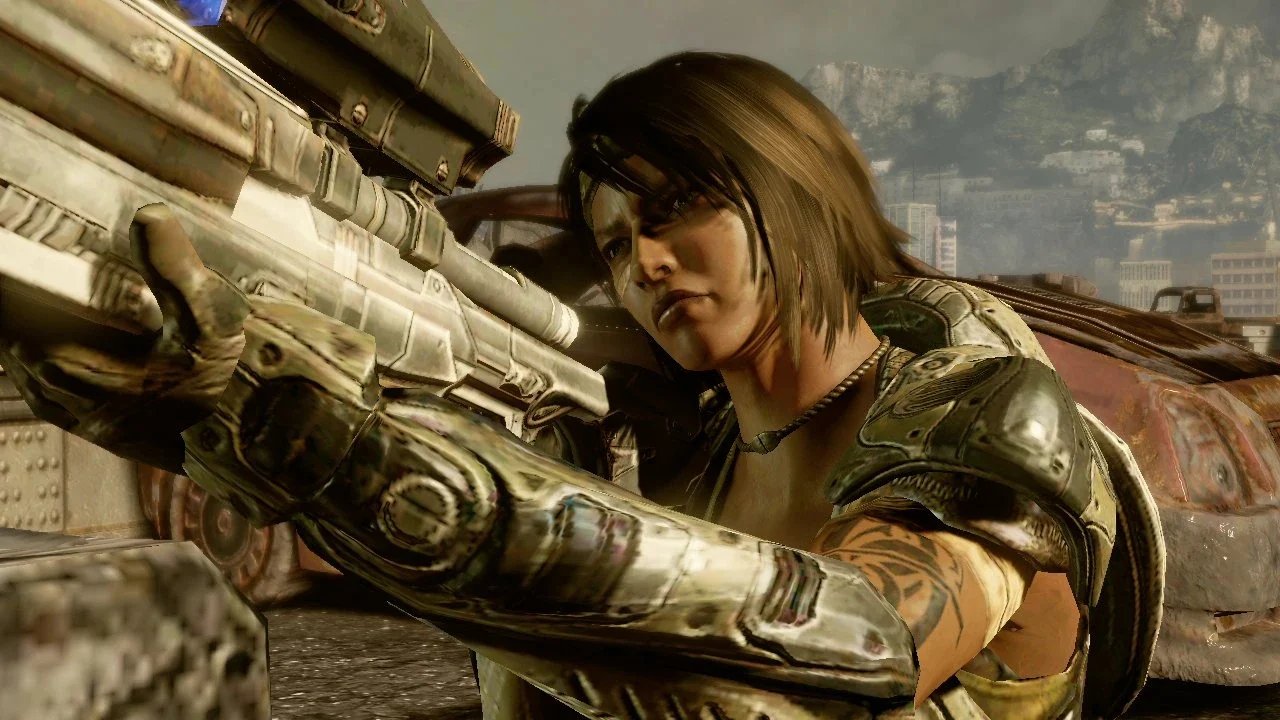
From a development perspective, character inclusion in the Gears of War series has always been handled through distinct squad-based tactical systems. The original title introduced Anya Stroud as a pivotal voice-over support character, a role that was technically essential to the player’s navigation of the battlefield. As the series progressed into the second and third installments, the character assets for women in the military expanded significantly. By the time Gears of War 3 reached development, the team had implemented full character models for frontline female combatants, complete with unique combat animations, localized dialogue, and specific tactical loadouts.
Characters like Samantha Byrne and Bernadette Mataki were not merely narrative additions; they were gameplay assets that functioned identically to their male counterparts within the cover-shooting mechanics. This implementation demonstrates that the foundational code of the series was designed to support a varied cast of soldiers. When examining the franchise through the lens of its mechanical history, it becomes clear that the presence of women in command, medical, and frontline infantry roles is a feature integrated into the core architecture of the series, rather than an external or modern modification to the gameplay loop.
The Technical Role of Commanders and Squad Specialists
The claim that the inclusion of strong leadership figures or specific, diverse squad members represents a deviation from the series’ roots ignores the established lore of the COG military. Within the universe, the COG is a military organization defined by necessity; in the face of near-extinction, the mobilization of all available resources—including every citizen capable of handling a Lancer—is a primary plot point. Characters like Queen Myrrah, who served as a primary antagonist, or the Onyx Guard specialists, highlight the strategic depth of the game’s world-building.
Technical reviews of titles such as Gears of War: Judgment and the Gears Tactics spin-off further emphasize this point. In Gears Tactics specifically, the player is tasked with managing a squad of customizable soldiers. The engine allows for the recruitment of female COG soldiers, granting them the same combat proficiencies, specialization skill trees, and tactical utility as any other unit. This design flexibility confirms that the franchise has consistently maintained a commitment to an inclusive combat roster, reflecting the desperate, all-hands-on-deck atmosphere that defines the narrative of the Locust War.
Analyzing the Impact of Historical Narrative Accuracy
The discourse surrounding Gears of War: E-Day is often decoupled from the actual mechanical history of the series. By failing to account for early inclusions such as the unnamed field medics present in Gears of War 2, critics rely on an incomplete interpretation of the game’s timeline. The franchise has consistently utilized the “before, during, and after” approach to storytelling, with prequels and DLC expansions filling in the gaps of the main conflict. Each of these segments has reinforced the fact that female soldiers were active participants in the COG military efforts from the very onset of the Locust invasion.
The persistence of these character archetypes underscores a commitment to world-building that values combat consistency. When a franchise relies on intense, high-fidelity action, the credibility of the setting depends on the player’s ability to believe in the soldiers they control. By normalizing the presence of diverse, highly capable soldiers within the COG, the developers have successfully maintained a consistent environmental tone across two decades of technological updates, from the early days of high-definition gaming on the Xbox 360 to the ray-traced visuals of modern hardware.
Maintaining Focus on Core Gameplay Mechanics
Ultimately, the focus of the Gears of War series remains on its refined cover-based shooting, visceral combat feedback, and high-stakes squad coordination. Whether a player is utilizing the tactical expertise of an Onyx Guard veteran or the frontline durability of a seasoned medic, the success of the experience depends on the responsiveness of the engine and the clarity of the tactical objectives. The attempts to label the inclusion of diverse characters as an external influence misinterpret the internal history of the series’ development.
The longevity of the Gears of War brand is rooted in its technical excellence and its ability to provide a compelling, high-intensity shooter experience. As the franchise looks toward future iterations, the focus will almost certainly remain on pushing the boundaries of what is possible within the shooter genre. Historical context proves that the franchise’s character designs are built on a bedrock of established, inclusive military lore, ensuring that the focus remains exactly where it belongs: on the mechanics of the fight and the survival of the squad in an unforgiving, hostile environment.
Disclaimer: This content is auto-generated for informational purposes only.
Source: Read Original News