





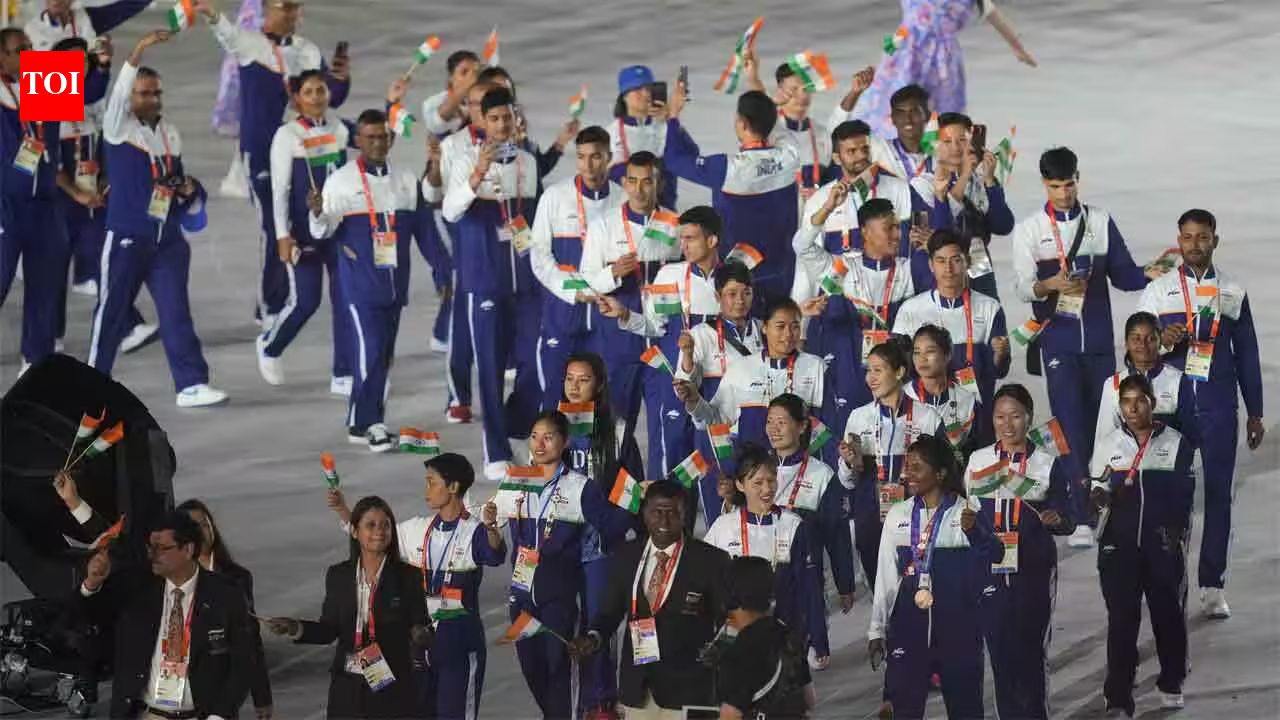
ACCOUNTABILITY takes center stage in New Delhi as the Ministry of Youth Affairs and Sports (MYAS) prepares for a high-stakes reckoning regarding India’s performance at the 2026 Asian Games in Aichi-Nagoya. With the dust finally settling on a campaign that yielded 85 medals, government officials have signaled that the fourth-place finish—while respectable—falls short of the high expectations set by the previous edition’s record-breaking tally.
On October 13, officials from the Ministry will sit down with representatives from the various National Sports Federations (NSFs) for a granular review of the Games. The meeting promises to be more than a simple debriefing; it serves as a warning that the era of “no-questions-asked” funding is coming to an end.
## A Drop in Production Raises Red Flags
India’s medal haul of 85, while commendable in a historical context, represents a significant regression from the previous Asian Games, marking a decline of 21 medals. For a nation that has poured unprecedented financial resources into elite athlete development, this drop has triggered a serious inquiry into how effectively those funds were deployed.
“A review needs to be conducted. We need to change a lot of things,” a source within the Sports Ministry stated candidly. “A lot of money has been spent on experienced athletes, but they didn’t medal.”
The core of the Ministry’s frustration lies with the veteran contingent. Officials are reportedly disappointed by the lack of podium finishes among senior athletes who were expected to anchor the Indian squad. Instead of delivering consistent results, several veterans finished well down the order, raising questions about whether the current selection processes are prioritizing past reputation over present form.
## The TOPS Scrutiny and Financial Transparency
Central to the upcoming audit is the assessment of the Target Olympics Podium Scheme (TOPS). As the government’s flagship program designed to propel India to global dominance, TOPS has funneled massive amounts of public money into individualized training, foreign coaching, and specialized support for the country’s top prospects.
The Ministry revealed that over Rs 700 crore was spent over a three-year cycle leading up to the Aichi-Nagoya Games. With such a massive investment, the burden of performance is higher than ever. The October 13 review will specifically look at the ROI of these funds, scrutinizing whether the support provided under TOPS actually translated into competitive success or if it was squandered on preparations that failed to bear fruit.
## Addressing the Injury “Loophole”
Perhaps the most pointed criticism coming from the corridors of power concerns the timing of injury disclosures. Ministry officials are reportedly incensed by the number of athletes who declared injuries only after arriving in Aichi-Nagoya, rendering them unfit to compete at the eleventh hour.
“Another issue was injuries. Players were declaring injuries after reaching the Games—how is that fair?” the source added. “Crores have been spent in preparing them.”
This “late-arrival injury” phenomenon suggests a systemic failure in the medical oversight and reporting protocols of the NSFs. The Ministry intends to investigate why these fitness concerns were not flagged during the training camps or at the final clearance stage, suggesting that future funding may be contingent on more rigorous and transparent health assessments before athletes are cleared to represent the national flag.
## Questioning Discipline-Specific Performance
While the review will be comprehensive, certain sports have already been earmarked for closer examination. Badminton, which walked away with only a single bronze, has become a focal point of frustration for the Ministry, given the depth of talent currently available in the country.
Similarly, while the shooting squad delivered an impressive 15 medals, the Ministry is looking to deconstruct whether this performance was optimized or if even more success was left on the table. The objective of the October 13 meeting is to identify the discrepancy between the projected targets of the federations and the actual results achieved on the field of play.
## Preparing for the Road Ahead
The upcoming meeting is a clear message to the National Sports Federations: the government is no longer satisfied with mere participation. As India moves forward, the Ministry is signaling a shift toward a culture of high performance and strict accountability.
Federations that failed to manage their resources, monitor their athletes’ fitness, or produce results commensurate with their funding will likely face tough questions regarding their future support. As the stakeholders gather on October 13, the tone will be one of “course correction.” With the next cycle of international events on the horizon, the pressure is on the NSFs to justify their existence and demonstrate that they can manage taxpayer money with the same level of discipline that they expect from their athletes.
For the Indian sports ecosystem, this is a moment of reflection. The financial windfall that transformed the landscape of Indian sports over the last decade brought about rapid growth; now, the Ministry wants to ensure that this growth is sustainable, professional, and, above all, medal-yielding.
Disclaimer: This content is auto-generated for informational purposes only.
Source: Read Original News