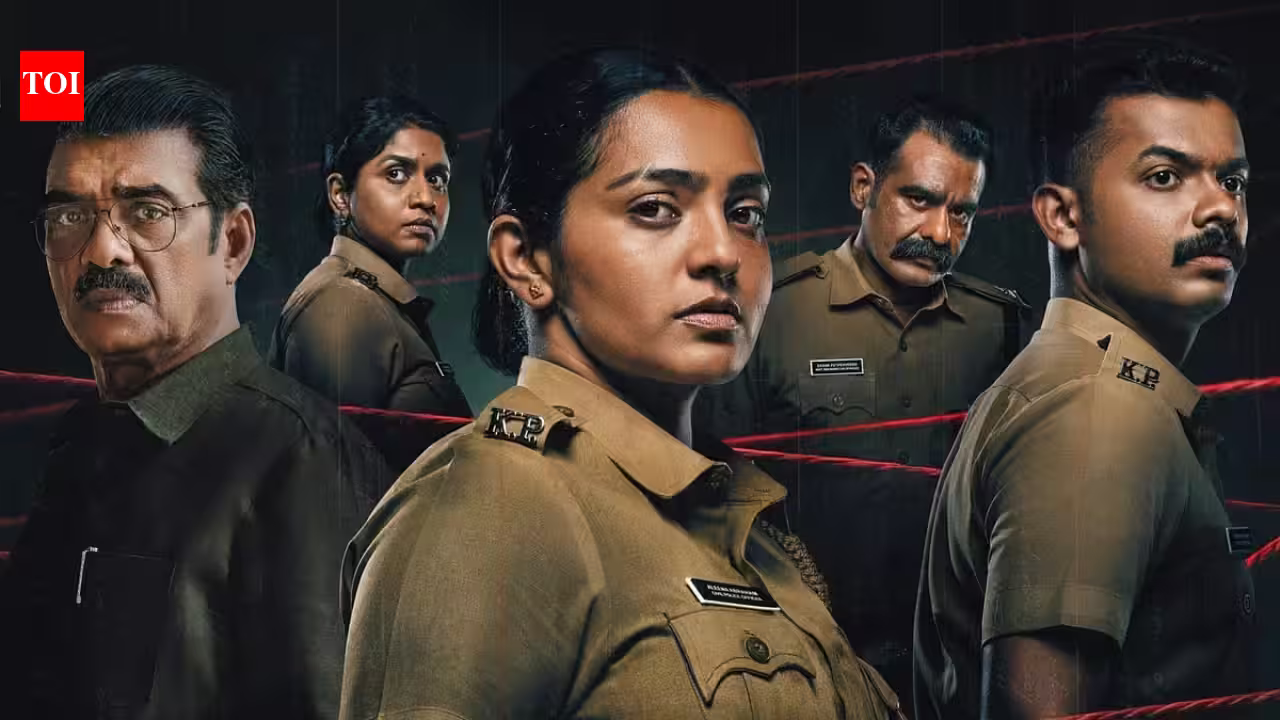









The curtains have fallen on one of the most enigmatic and formidable figures in Indian cinema. Nana Patekar, a man whose presence on screen was often defined by a simmering, volcanic intensity, passed away on October 8 at the age of 75 following a cardiac arrest. While the void left in the film industry is profound, the outpouring of grief has transcended borders, revealing a softer, deeply compassionate side of the actor that remained shielded from the public eye.
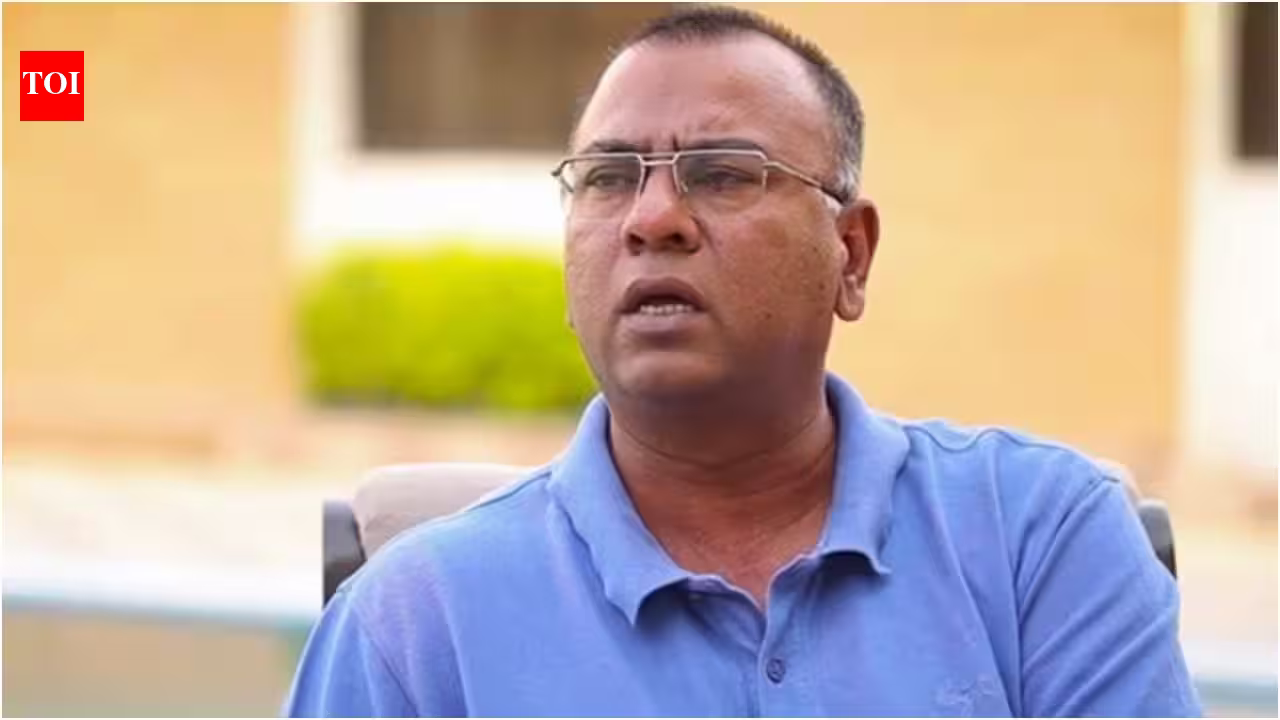
In a poignant tribute that has resonated across the subcontinent, former Pakistani cricketer Basit Ali shared an intimate look at the man behind the legendary persona. For Basit, the loss is not merely that of a global icon, but the departure of a mentor and a steady source of emotional support during the darkest chapters of his life.
A Connection Forged Across Borders
The unlikely friendship between the Bollywood powerhouse and the Pakistani cricket star began in 1994, a time when global communication was far less seamless than it is today. Basit recounts that the spark was almost accidental, stemming from a nickname the Pakistani team had given one of their own players, Latif, whom they affectionately called “Nana” due to his resemblance to the actor.
What started as a lighthearted connection over a nickname blossomed into a genuine, decades-long brotherhood. Basit’s recollection serves as a reminder that the reach of cinema—and the humanity of its greatest stars—often ignores the lines drawn on a map. “Early in the morning, I heard the sad news,” Basit shared in a heartfelt video tribute. “Our very dear brother, friend, and living legend is no longer in this world. He acted in movies exactly as he was in real life—genuine and grounded.”
Beyond the Screen: A Pillar of Strength
While audiences worldwide were captivated by Patekar’s fiery delivery in classics like Parinda, Krantiveer, and Prahaar, Basit Ali was witness to a different, quieter performance: that of a supportive friend. Basit revealed that Nana’s involvement in his life went far beyond the occasional pleasantry.
During one of the most difficult periods for the cricketer—when his mother was hospitalized—Nana Patekar became a consistent, comforting presence. According to Basit, the actor would call religiously on a weekly basis, not just to check on the medical status, but to offer prayers and engage in long, soulful conversations with his mother.
“When my mother was alive and in the hospital, Nana Ji called every week,” Basit recalled. “He offered many prayers, talked at length with my mother, and listened to old stories.” Even after her passing, Patekar remained a sentinel, eventually checking in on Basit during his own health struggles. When the cricketer underwent a procedure for a heart condition, it was Nana who reached out, asking about the stent placement and offering the kind of fatherly concern that rarely makes it into the glossy pages of entertainment magazines.
The Myth of the ‘Angry Man’
Nana Patekar’s screen persona was often characterized by a volatile temper and a sharp tongue, tropes that became his signature. However, Basit Ali is quick to dispel the notion that this was a mere performance. He describes the actor as fundamentally consistent—authentic to a fault.
“For people who only knew him through movies, he was the exact same person in real life as well,” Basit explained. He shared anecdotes of their playful banter, where he would attempt to grill the actor about the technicalities of his film scenes, only to be met with a classic Nana-style retort: “Shut up, what do you know?” For Basit, this wasn’t an act of arrogance, but the endearing, rough-around-the-edges affection of an elder brother. It was this transparency—the refusal to be anything other than himself—that earned him the respect of both his peers and the legions of fans who admired him from across the border in Pakistan.
An Era Ends in Pune
As the news of his passing reverberated through the industry, the reality set in that the “young man”—as Basit habitually called him—was gone. The actor, who seemed to defy the aging process with his boundless energy and sharp wit, left behind a legacy that felt unfinished to those who knew him personally.
On Thursday, the final chapter of this legendary life was written in Pune. In a ceremony marked by the solemnity of state honors, Nana Patekar was laid to rest at his farmhouse in Donje, near Khadakwasla. The presence of Maharashtra’s political leadership, including Chief Minister Devendra Fadnavis and Deputy Chief Minister Eknath Shinde, alongside friends from the fraternity like Jackie Shroff, underscored the magnitude of his influence. Yet, for his wife Neelkanti and his son Malhar, who stood by his side at the pyre, the day was not about the cinema icon, but the man they had lost.
A Legacy of Shared Humanity
The grief felt by Basit Ali and the millions of fans who have flooded social media with tributes speaks to a specific kind of loss. Nana Patekar was a rarity—an artist who moved through the world with an unapologetic intensity that felt dangerous on screen but proved profoundly nurturing in private.
He was a man who could command a screen with a whisper, and who could bridge a geopolitical divide with a phone call to a friend in distress. As the industry looks back on five decades of celluloid history, the headlines will focus on his awards and his legendary performances. But the stories that truly define Nana Patekar are the ones being shared in hushed, emotional tones by those who knew his heart—the stories of the prayers he offered for a stranger’s mother and the concern he held for a friend’s health. He leaves behind not just a filmography, but a lesson in how to remain a “wonderful human being” in a world that often demands we be something else entirely.
Disclaimer: This content is auto-generated for informational purposes only.
Source: Read Original News