








The Strategic Pivot: Ubisoft Closes Rainbow Six Mobile
The landscape of live-service gaming remains unforgiving, even for established industry titans. Ubisoft, the publisher behind the globally recognized Tom Clancy franchise, recently announced the termination of Rainbow Six Mobile. After years of development, multiple beta testing phases, and a global launch that occurred in early 2026, the company has confirmed that the title will be sunset on January 15, 2027. This decision marks a significant setback in Ubisoft’s broader initiative to translate its flagship tactical shooter experience into a mobile-first format.
The closure comes as a culmination of mounting challenges regarding player retention and market positioning. Despite an initial burst of interest that saw millions of downloads across Android and iOS platforms, the game failed to sustain a consistent user base. By the time the announcement was made in October 2026, it became clear that the financial and operational resources required to support the game were no longer justified by its performance metrics.
Development Hurdles and Delayed Expectations
The lifecycle of Rainbow Six Mobile was characterized by a protracted development cycle that began in 2022. The title underwent extensive testing throughout 2023 and 2024, during which time Ubisoft attempted to reconcile the complex mechanics of its PC-based tactical shooter with the inherent constraints of mobile hardware. The development team faced the daunting task of shrinking a high-fidelity, environment-destroying, team-based tactical game into a format suitable for touch-screen interfaces.
These technical hurdles necessitated a significant delay, pushing the release into 2025. When the game finally reached a global audience in February 2026, the market environment had shifted. Players who had anticipated a mobile version of the tactical intensity found in the PC and console versions of Siege often felt the result lacked the depth and parity they expected. This delay contributed to a loss of momentum, as the game struggled to compete with established mobile shooters that had already solidified their dominance in the space.
Disparity Between Platforms and User Feedback
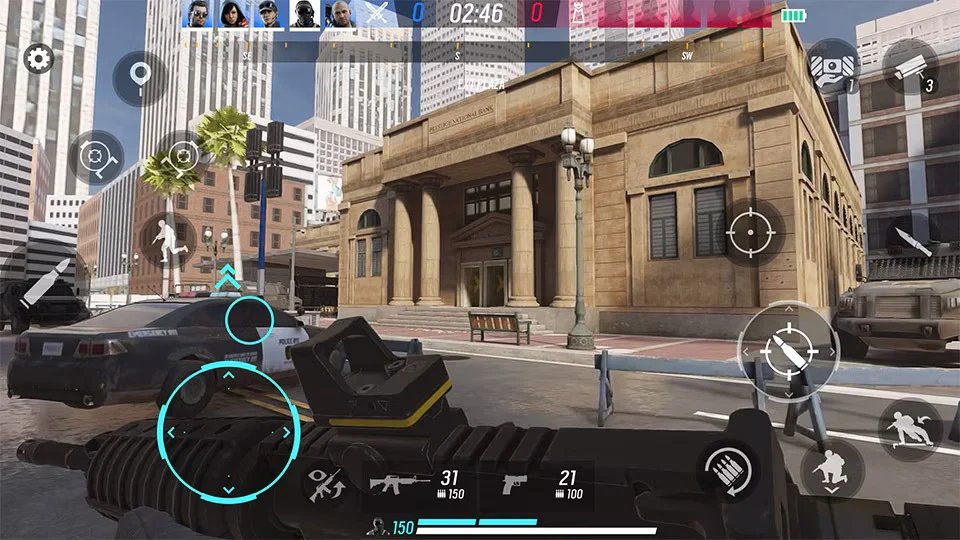
A primary point of friction for the Rainbow Six Mobile community was the perceived disconnect between the mobile build and the core Rainbow Six Siege experience. Veteran players, who represent the franchise’s most dedicated demographic, found that the mobile version sacrificed too much complexity to achieve accessibility. Feedback on digital storefronts highlighted concerns regarding limited operator rosters and the removal of granular tactical choices, such as the ability to manually select spawn points, which were replaced with randomized systems.
This erosion of the core tactical loop—which defines the franchise—meant that the mobile version often played more like a generic hero shooter than the methodical, destruction-heavy experience fans expected. While the game was praised for its technical stability in some quarters, the design decisions made to simplify the UI and reduce match duration effectively alienated the core audience while failing to attract enough casual mobile players to compensate for the attrition.
The Pitfalls of the Monetization Model
Beyond gameplay mechanics, the monetization structure of Rainbow Six Mobile served as a significant deterrent to sustained engagement. As a free-to-play title, the game relied on microtransactions to maintain operations. However, the implementation of these systems was frequently criticized for being overly restrictive. Users voiced frustration over the locking of key operators behind paywalls and a progression system that demanded an excessive amount of grinding to unlock essential tactical utility.
In a competitive market where players have numerous alternatives, such gating mechanisms often result in lower long-term retention. When players feel that their ability to compete is hindered by the necessity to pay or grind for basic gameplay tools, the perceived value of the product diminishes. This feedback loop, combined with the lack of distinct competitive variety, contributed to a decline in active users, signaling to the publisher that the current trajectory was unsustainable.
Broader Challenges in Ubisoft’s Mobile Portfolio
The failure of Rainbow Six Mobile is not an isolated event but part of a wider struggle for Ubisoft in the mobile gaming sector. The company has attempted to adapt several of its major properties for smartphones, including The Division Resurgence. Much like the experience with Rainbow Six, The Division Resurgence has struggled to find a foothold, eventually forcing Ubisoft to port the game to PC in a desperate bid to reach a different audience. Early reception of the PC port has been largely negative, with users citing repetitive mission structures and persistent technical bugs.
These struggles highlight the inherent difficulty of translating premium, AAA experiences into the mobile ecosystem. Ubisoft’s current portfolio suggests a difficulty in balancing the high-production values synonymous with their brand against the lighter, faster-paced nature of mobile gaming. The inability to bridge this gap has led to a re-evaluation of the company’s mobile strategy, with the closure of Rainbow Six Mobile serving as a definitive indicator that the existing approach is undergoing a necessary, if painful, contraction.
Looking Toward a Post-Mobile Future
The sunsetting of Rainbow Six Mobile by early 2027 provides a clear timeline for current players. While the company intends to release one final season to support the existing community until the shutdown, the writing is effectively on the wall. For Ubisoft, this serves as a case study in the risks of adapting established IP for mobile platforms without maintaining parity in core mechanics or designing a fair, accessible economy.
As the mobile gaming industry continues to evolve, the focus is shifting toward titles that are built specifically for the mobile medium from the ground up, rather than adaptations that may feel compromised. The departure of Rainbow Six Mobile leaves a gap in the tactical shooter market on mobile, but it also creates space for a new generation of games that may better understand the balance between mobile platform constraints and the high-stakes tactical gameplay that the genre demands. Ubisoft’s path forward will likely involve a more disciplined approach to resource allocation, focusing on projects that can thrive within their intended ecosystems rather than attempting to force existing franchises into spaces where they struggle to survive.
Disclaimer: This content is auto-generated for informational purposes only.
Source: Read Original News