






Massive Security Crackdown in Delhi as ‘Cockroach’ Movement Protests Voter List Irregularities
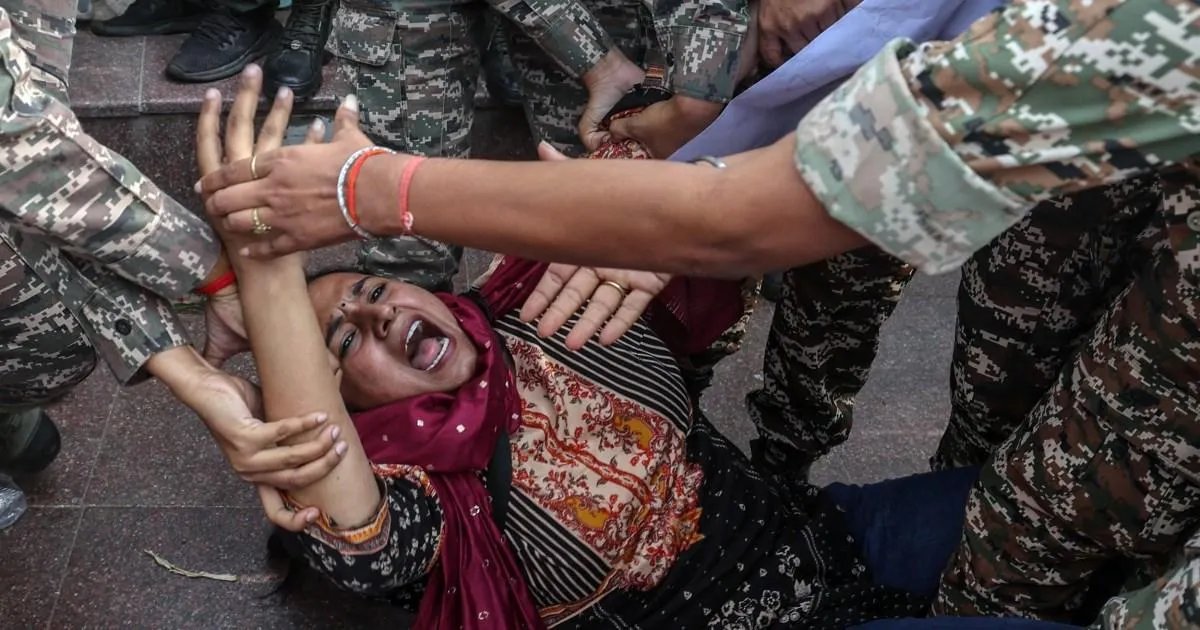
New Delhi was brought to a virtual standstill on October 10, 2026, as authorities launched a sweeping security operation to neutralize nationwide protests organized by the “Cockroach Janta Party” (CJP). Over 2,000 demonstrators, including the movement’s founder, Abhijeet Dipke, were detained as police sealed off central areas of the capital, shuttered internet services, and restricted movement across key transport hubs.
A City Under Siege
The crackdown followed a CJP call for a mass rally at Jantar Mantar to demand the resignation of Chief Election Commissioner Gyanesh Kumar. Allegations of large-scale manipulation during the “Special Intensive Revision” (SIR) of voter lists have fueled the fire, with critics claiming that the removal of approximately 130 million names has significantly skewed electoral outcomes in favor of the ruling Bharatiya Janata Party (BJP).
The scale of the police response was unprecedented. Thousands of paramilitary and police personnel flooded the streets of New Delhi to prevent crowds from gathering. Similar scenes unfolded in Mumbai, where local media reported the detention of at least 400 protesters.
The CJP’s leadership was targeted early in the day. Authorities apprehended Dipke and senior associates Saurav Das and Ashutosh Ranka directly upon their arrival at a Delhi airport. Footage circulating on social media captured the moment of their arrest, with the leaders chanting revolutionary slogans while resisting police intervention.
Targeting Dissent
The security operation extended beyond the youth movement. Reports confirmed the detention of several high-profile opposition politicians, including prominent former chief ministers from West Bengal, Delhi, and Kerala. Even members of the press did not escape the net, with journalists from Reuters and other outlets facing temporary detention, raising alarms regarding the state of press freedom in the country.
Protesters and rights advocates have expressed outrage over the heavy-handed tactics. Aditi Sharma, a participant in the movement, argued that the government’s reaction was disproportionate. “Peaceful demonstrations should never be viewed as a national security threat,” she stated. “By denying citizens the right to gather, the authorities are effectively silencing democratic accountability.”
Mounting Political Pressure
The controversy stems from reports—notably from The Indian Express—that two election commissioners had formally questioned the methodology behind the recent voter roll revisions. The opposition maintains that the deletions have cast a deep shadow over the integrity of recent state elections. While both the Election Commission and the BJP have issued firm denials regarding any malpractice, the government’s refusal to permit the protest has only deepened public skepticism.
The CJP movement, which emerged earlier this year following disparaging remarks by Chief Justice Surya Kant regarding unemployed youth, has evolved into a potent symbol of widespread frustration. The group acts as a lightning rod for concerns over chronic joblessness, the integrity of competitive exams, and institutional corruption.
As the situation remains volatile, activists like Sonam Wangchuk have warned that further unrest is inevitable if the government continues to prioritize suppression over dialogue. For now, the streets of Delhi remain tense, reflecting a deepening rift between a government determined to maintain order and a growing segment of the population demanding electoral transparency.
Disclaimer: This content is auto-generated for informational purposes only.
Source: Read Original News