








The commercial real estate landscape in Southeastern Wisconsin is undergoing a significant transformation, marked by a series of high-stakes redevelopment deals and a shifting retail environment. Tim Gibbons, editor-in-chief of the Milwaukee Business Journal, joined Wisconsin’s Weekend Morning News this week to break down the latest developments defining the regional economy, ranging from mall revitalizations to the rise of niche social venues.
A Pivot for Shopping Centers
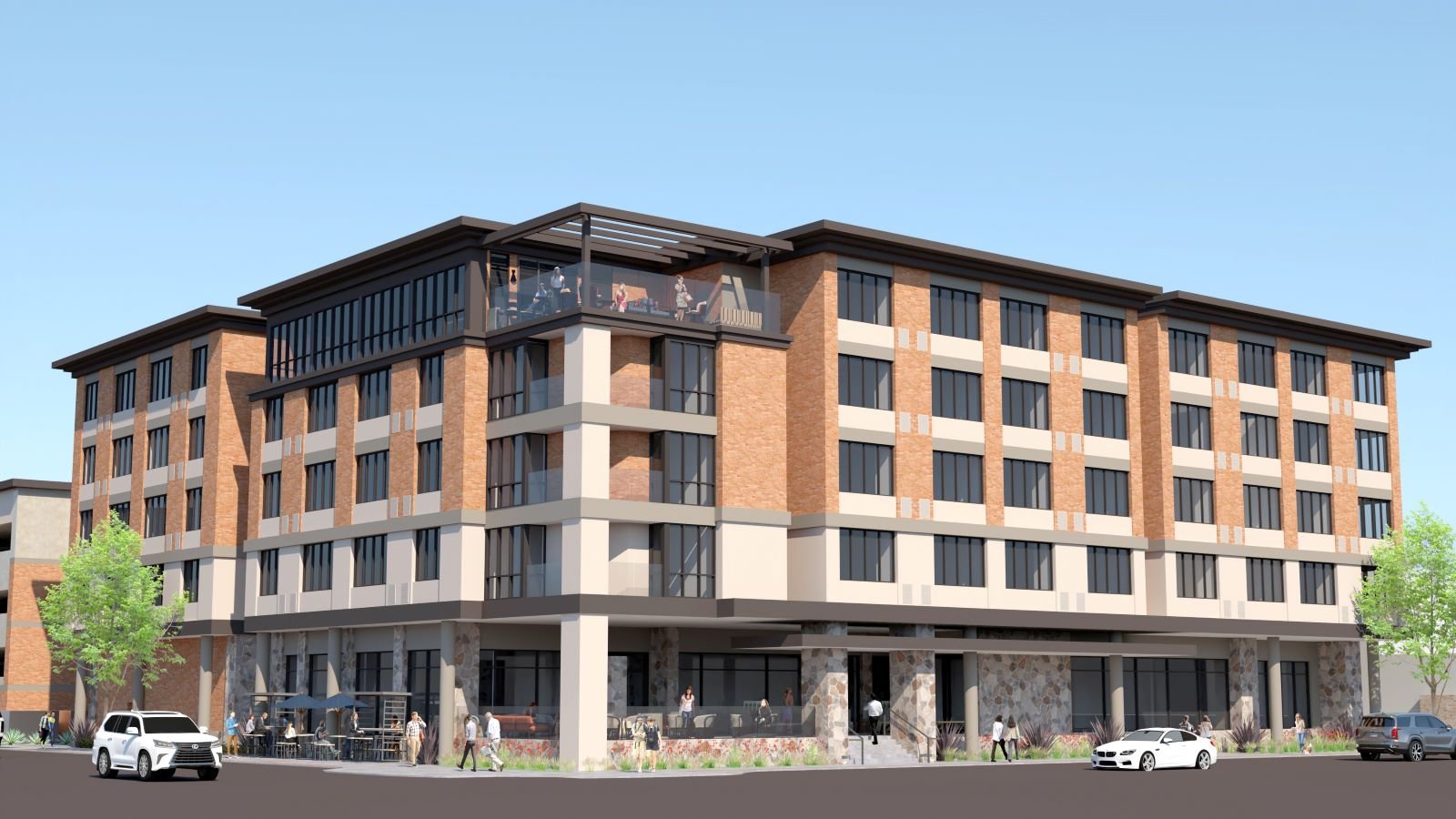
Retail hubs across the Milwaukee area are seeing major movement as owners and city officials look to adapt to the post-pandemic shopping environment. Perhaps most notably, Brookfield Square is at the center of a potential $28 million deal. If finalized, the investment is expected to act as a catalyst for a major redevelopment project, aiming to modernize the space for long-term viability.
Simultaneously, the long-running foreclosure saga surrounding Southridge Mall has reached a turning point. A receiver sale has officially been approved, signaling a fresh start for the property. This transition is critical for the surrounding community, as new ownership will likely be tasked with reimagining the site’s anchor tenant spaces to better align with current market demand. Elsewhere, in the growing Pabst Farms development, four new tenants are slated for Village Square, adding further momentum to the area’s commercial footprint.
Evolving Consumer Preferences and Tech Integration
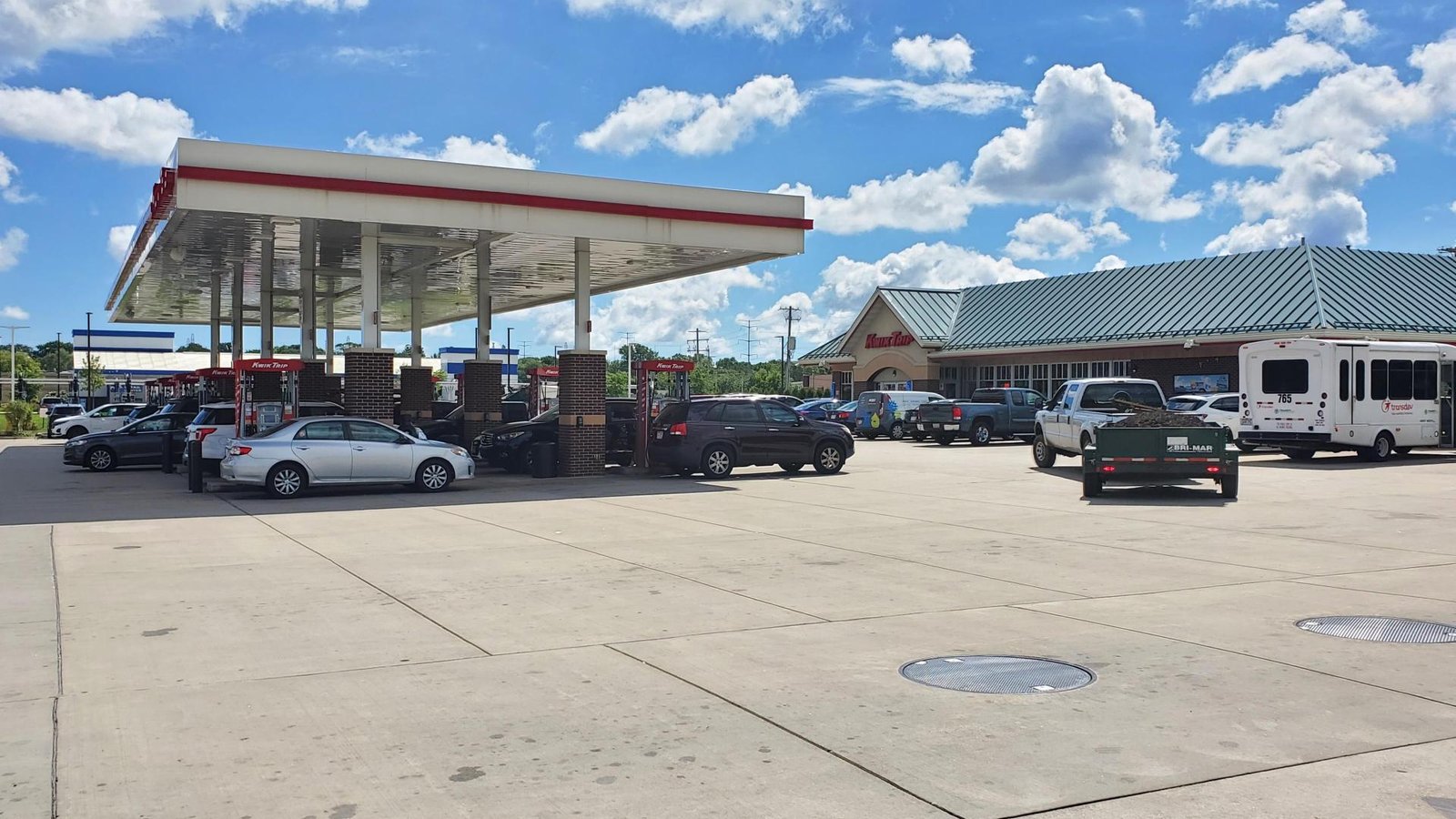
While physical real estate grabs headlines, the retail experience itself is becoming increasingly tech-driven. The convenience store sector remains hyper-competitive, with Kwik Trip experiencing a rare shakeup after losing its long-held top spot in national customer satisfaction ratings. This shift highlights how modern consumers now demand more than just fuel and snacks; they are increasingly prioritizing digital loyalty integration, AI-driven mobile ordering, and frictionless checkout experiences—areas where the tech industry continues to play a pivotal role in retail operations.
In the hospitality sector, the “experience economy” is also trending toward gamified socializing. A prime example is the new Mah Jong Lounge at Bayshore. Some analysts are comparing the surge in interest for social Mah Jong to the massive rise of pickleball—a sport that exploded in popularity thanks to algorithmic social media promotion and digital community-building platforms. These hybrid spaces, which leverage tech to simplify scheduling and tournament tracking, are quickly becoming the new standard for destination retail.
Innovation in Community Events and Future Growth
Beyond physical storefronts, local organizers are reconsidering the future of traditional community gatherings, such as the Freshwater Food & Wine Fest. The festival is currently navigating a period of introspection to determine how to better engage a digitally savvy audience that expects interactive and personalized experiences.
As these businesses evolve, they are increasingly relying on data analytics to track attendance and preference patterns. By integrating smart-event management tools and hyper-local SEO strategies, organizers hope to ensure these community staples remain relevant in an era where digital content competes for every second of a consumer’s attention.
Whether it is the $28 million injection into Brookfield Square or the subtle shift in how local entertainment venues operate, the common thread across Milwaukee’s business news is a focus on adaptation. As these projects move from planning stages to implementation, the interplay between physical development and the digital tools that power them will remain a primary driver of the region’s economic trajectory. For business owners, the message is clear: the integration of smart technology and adaptable, experience-based design is no longer optional—it is the new baseline for success in the Wisconsin market.
Disclaimer: This content is auto-generated for informational purposes only.
Source: Read Original News