








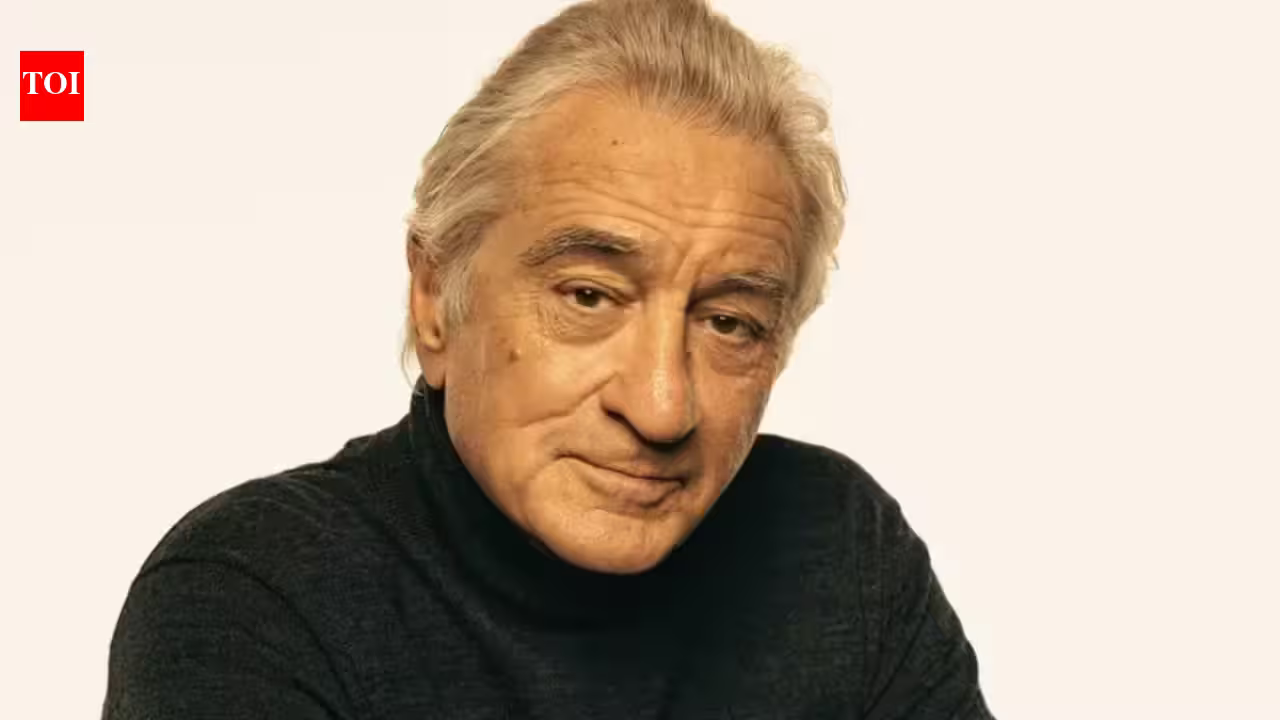
When we think of Robert De Niro, the immediate associations are iconic: the grit of Taxi Driver, the calculated menace of The Godfather Part II, and the seasoned gravitas of The Intern. But in the quiet corners of Hollywood lore, there is a different kind of performance piece that De Niro has been orchestrating for over three decades. It doesn’t involve a script or a director’s chair, but rather black cod with miso, yellowtail jalapeño, and a sprawling, billion-dollar hospitality empire that has fundamentally changed the way the world views fine dining.
The story of Nobu is not a typical “celebrity vanity project.” It is a masterclass in persistence, cultural fusion, and the kind of patient, long-game partnership that rarely survives the fickle landscape of the restaurant industry.
The La Cienega Connection
The origin story of the Nobu empire is surprisingly domestic. In the late 1980s, long before the name was synonymous with celebrity sightings and high-end sushi, Nobu Matsuhisa was operating a small, unassuming restaurant called Matsuhisa in Beverly Hills.
De Niro, then a regular in the Los Angeles area, stumbled upon the spot and was immediately hooked. He wasn’t just a fan of the food; he was mesmerized by the chef’s unique culinary philosophy. Matsuhisa had spent years living and working in Peru, an experience that led him to defy the rigid traditions of Japanese cuisine by incorporating bold, South American ingredients like cilantro, chili, and garlic.
“I was just happy getting my food brought to my apartment each day,” De Niro recalled in a recent interview. He wasn’t just a customer; he was a fanboy. For nearly four years, De Niro played the role of a persistent suitor, nudging Matsuhisa to take his talent to the East Coast. Every time De Niro entered the restaurant, the conversation would inevitably shift toward the same goal: “Let’s go to New York.”
The Gentle Persuasion of an Icon
For Matsuhisa, the hesitation wasn’t about ego—it was about fear of losing the soul of his craft. He was comfortable in his California enclave, wary that a massive expansion might dilute the precise, soulful nature of his cooking. De Niro, showing the same level of commitment he brings to his film roles, didn’t push with financial jargon or aggressive investor tactics. He pushed with a sincere appreciation for the “sexiness” and “pizazz” of the cuisine.
It took four years of courtship before the chef finally relented. De Niro’s clincher wasn’t a promise of massive wealth; it was a promise of patience. He told the chef he didn’t want to rush the process and that he had already scouted the perfect location: a space in the heart of Tribeca, New York. De Niro wasn’t looking for a quick payout; he was looking to build a destination.
The Tribeca Launchpad
In 1994, the doors opened at the flagship Nobu in Tribeca. With De Niro’s star power bringing in the industry heavyweights and Matsuhisa’s unmatched culinary technique providing the substance, the restaurant became an overnight sensation. It was the place to be, but more importantly, it was the place to eat.
Partnering with film producer Meir Teper and managing partner Richie Notar, the team created a blueprint that prioritized atmosphere as much as the menu. They successfully captured the energy of a nightlife lounge and married it with the discipline of a top-tier sushi bar. The success in New York acted as a massive megaphone. Suddenly, the “Nobu style” wasn’t just a restaurant trend; it was a global lifestyle standard.
From Sushi Bar to Global Empire
If the 1990s were about cementing the restaurant’s reputation, the 2010s were about vertical integration. By 2013, the brand began an ambitious pivot into the luxury hospitality market, launching its first hotel-within-a-hotel at Caesars Palace in Las Vegas.
This transition was a stroke of genius. By moving into hotels, the Nobu brand stopped being a place where you ate for two hours and became a brand where you lived for several days. It transformed the culinary experience into a 24/7 lifestyle. Today, the empire spans hundreds of locations across the globe, from the sun-drenched coasts of Malibu and the Caribbean to the high-fashion districts of London, Tokyo, and Dubai.
The Lasting Legacy of a Curious Actor
Today, it’s easy to look at the Nobu name on a hotel skyscraper and assume it was the work of a board of directors or a faceless private equity firm. However, the DNA of the brand remains tied to that specific chemistry between an actor who loves food and a chef who loves his craft.
De Niro has often expressed that his involvement in Nobu is one of his proudest professional accomplishments. It’s a testament to his ability to recognize “the goods” before the rest of the world caught on. While he continues to garner critical acclaim on the silver screen, his work with Matsuhisa proves that the “Raging Bull” has a surprisingly refined palate and an even sharper business mind.
The next time you see a Nobu sign while traveling in a foreign city, remember: it all started because a legendary actor didn’t want to give up his favorite takeout in Beverly Hills. It’s a Hollywood story with a happy, and highly profitable, ending.
Disclaimer: This content is auto-generated for informational purposes only.
Source: Read Original News