









The Strategic Rise of the RTX Spark Architecture
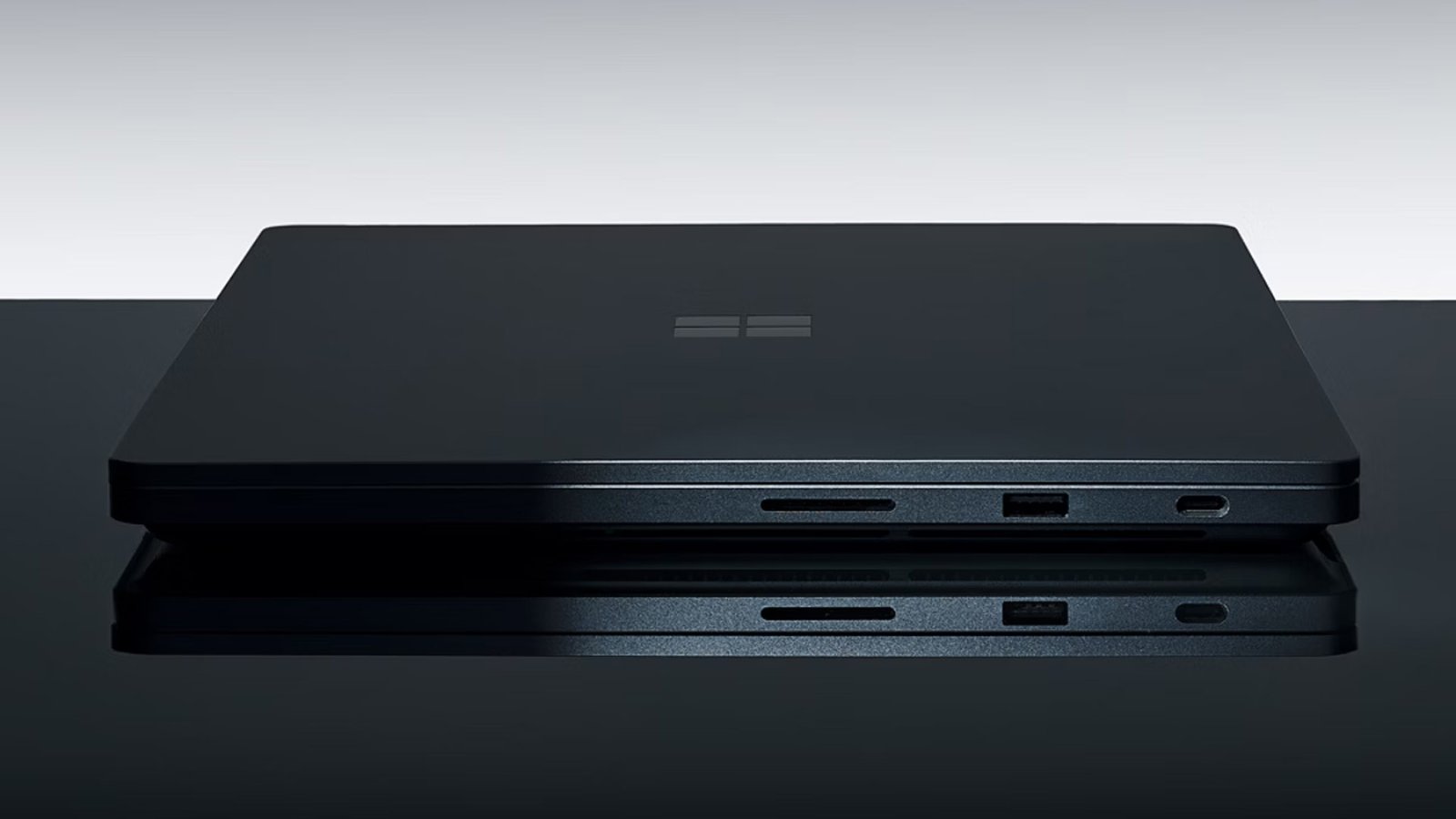
The recent launch of the Microsoft Surface Laptop Ultra has sent a clear signal to the professional computing market. The high-end configuration, featuring the proprietary NVIDIA RTX Spark platform alongside 128GB of unified memory and a 1TB SSD, commanded a retail price of $5,899.99 before selling out almost immediately. While supply chain constraints remain a possible factor in the rapid depletion of inventory, the overwhelming demand suggests that the device addresses a critical gap in the portable workstation market. By integrating the full NVIDIA software stack into a mobile form factor, Microsoft has positioned the Surface Laptop Ultra as a necessary tool for developers who require high-performance local computing.
Leveraging the CUDA Ecosystem for Seamless Workflow Integration
A primary driver for the rapid adoption of RTX Spark-powered machines is the deep-rooted reliance on NVIDIA’s CUDA architecture. For years, the development of artificial intelligence frameworks, machine learning inference engines, and professional-grade creative software has prioritized CUDA compatibility above all else. Consequently, many researchers and software engineers have built their entire operational stack around this ecosystem.
Unlike alternative platforms that may offer high raw memory capacities, such as the AMD Ryzen AI MAX 400 series, NVIDIA provides a frictionless experience where existing software libraries function without the need for manual porting or complex troubleshooting. In the professional sector, technical debt and the time required to re-engineer workflows for new architectures often outweigh the cost of purchasing premium hardware. The RTX Spark serves as a bridge, allowing professionals to maintain their established pipeline while gaining access to massive unified memory pools.
Solving the Memory Capacity Problem for Large Language Models
Historically, mobile workstations have been bottlenecked by the physical limits of dedicated VRAM. Even flagship mobile GPUs rarely exceeded 32GB of dedicated memory, which constrained the size of AI models that could be processed locally. The RTX Spark fundamentally changes this dynamic by moving to a unified memory architecture (UMA) that dynamically allocates space between the CPU and GPU.
This 128GB unified memory headroom is a game changer for data-sensitive industries. By running large language models—some reaching 120B parameters with a one-million token context window—entirely on a laptop, organizations can avoid the recurring costs of cloud-based infrastructure. Furthermore, keeping proprietary data localized on a physical device provides a higher security posture for companies dealing with sensitive information. This capability is specifically what differentiates the top-tier Surface Laptop Ultra, making it a critical acquisition for firms that cannot rely on public cloud providers.
Balancing Memory Bandwidth and Throughput Performance
Despite the success of the RTX Spark, the hardware does not exist in a vacuum, and it faces competition from architectures with higher memory throughput. For example, the M5 Max MacBook Pro offers 128GB of unified memory but boasts a significantly higher bandwidth of 614GB/s compared to the 273GB/s found on the RTX Spark platform. In workloads where performance is strictly dependent on data transfer rates, the difference in memory bandwidth becomes a noticeable metric.
However, bandwidth is only one half of the performance equation. The RTX 5090 mobile GPU architecture demonstrates this disparity well. While traditional high-end mobile GPUs with 896GB/s bandwidth excel in token generation and prompt processing, they are often crippled by a 24GB GDDR7 VRAM cap, which prevents them from loading dense models into memory. The RTX Spark prioritizes the sheer capacity required for complex inference, effectively sacrificing some peak bandwidth to ensure that memory-heavy applications do not crash or revert to slower system storage.
Future Outlook for High-Performance Mobile Computing
The rapid sell-through of the premium Surface Laptop Ultra indicates that the professional market is no longer satisfied with standard laptop specifications. As AI-driven development becomes standard, the requirement for localized, high-memory, and software-compatible hardware will only increase. While Microsoft has not provided an official timeline for restocking the 128GB configuration, the strong reception suggests that there is a significant, underserved segment of the market that demands desktop-level capabilities in a portable chassis. As the ecosystem matures, future iterations of RTX Spark hardware will likely aim to narrow the bandwidth gap with competitor architectures while maintaining the critical software compatibility that remains NVIDIA’s most significant competitive advantage.
Disclaimer: This content is auto-generated for informational purposes only.
Source: Read Original News