








The air in the Indian film industry has been thick with anticipation, rumors, and no small amount of scheduling confusion. For months, trade analysts, cinema buffs, and casual moviegoers have been playing a guessing game regarding the exact arrival of Nitesh Tiwari’s magnum opus, Ramayana: Part One. Today, the wait for clarity is finally over. In a move that has sent a jolt of excitement through the industry, the makers have officially pinned the release date for November 5, 2026.
The announcement, which arrived on a Sunday during the auspicious window of Navratri, carried a sense of gravitas befitting the scale of the project. Proclaiming, “Yeh Ram ke Yug ka Aarambh hai” (This is the beginning of the era of Ram), the studio finally put an end to the conflicting reports that had plagued the promotional cycle. As the production prepares to take over the global box office, it is clear that this isn’t just another film release; it is a cultural event in the making.
Resolving the Release Date Conundrum
For those following the project closely, the journey to this confirmation has been anything but linear. The industry was swirling with conflicting data points. An international trailer, distributed by the global powerhouse Sony Pictures, had previously pointed toward a November 6 release. Simultaneously, producer Namit Malhotra had hinted at a Diwali window, and various industry insiders whispered about the possibility of paid previews beginning as early as November 4.
This back-and-forth created a fragmented narrative that often plagues projects of this magnitude. By firmly choosing November 5, 2026, the production team has successfully aligned the Indian domestic release with their global strategy. Furthermore, the decision to open advance bookings on Dussehra is a masterstroke of marketing, tapping into the psychological high of the festival season to ensure that the momentum is already at a fever pitch long before the first showtime.
A Stellar Cast for an Epic Tale
The curiosity surrounding Ramayana isn’t solely about its scale; it is heavily rooted in its casting choices. Bringing an epic of this magnitude to life requires a delicate balance of star power and dramatic credibility, and Nitesh Tiwari seems to have leaned into a diverse, heavyweight roster.
Ranbir Kapoor, arguably one of the most versatile actors of his generation, steps into the role of Lord Rama, carrying the immense weight of expectation that comes with the character. Opposite him, the choice of Sai Pallavi as Sita has been met with widespread approval from fans, who praise her ability to bring an understated grace and raw emotional depth to the screen.
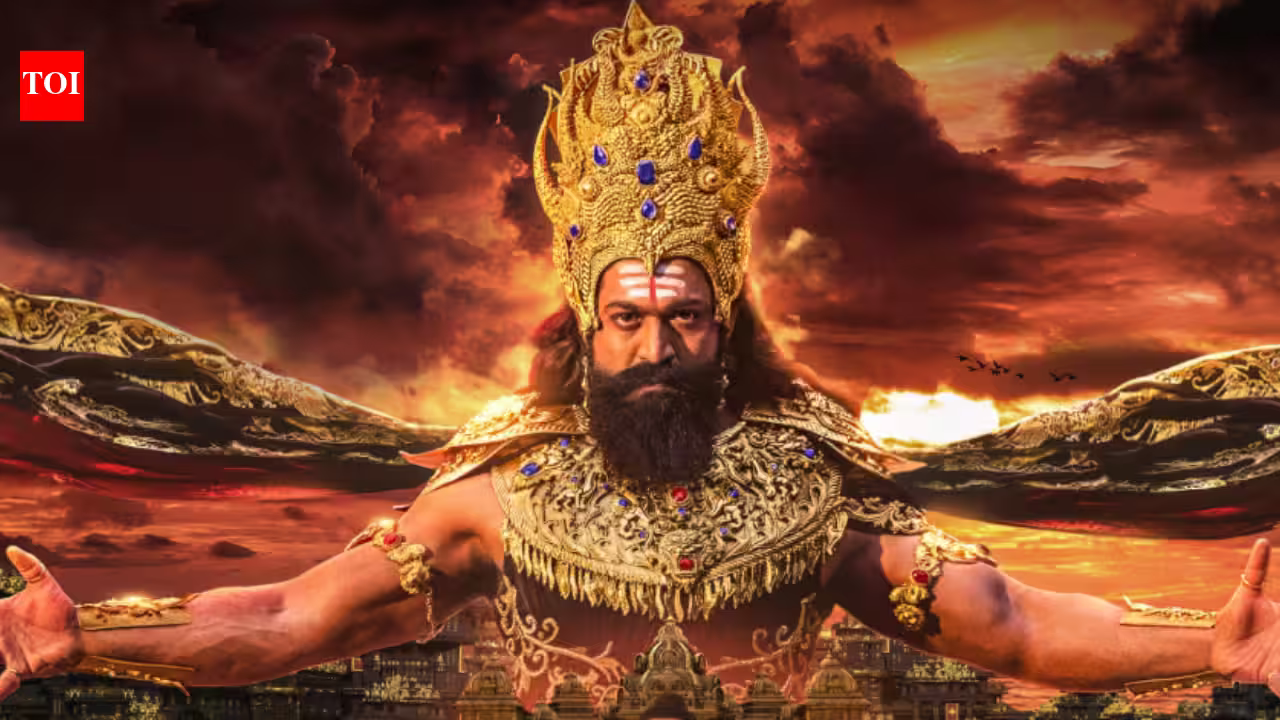
Perhaps most intriguing is the inclusion of Yash, the KGF superstar, who is set to embody the complex persona of Ravana. With Sunny Deol bringing his characteristic intensity to the role of Hanuman and Ravi Dubey joining the ensemble as Lakshman, the film boasts a lineup that bridges the gap between commercial charisma and critical acclaim. This is, by design, an ensemble meant to appeal to every corner of the Indian demographic.
The Powerhouse Behind the Scenes
While the stars in front of the camera are the face of the project, the engine driving Ramayana is a sophisticated collaboration of creative technology and business acumen. Namit Malhotra’s Prime Focus Studios, in conjunction with DNEG and Yash’s own Monster Mind Creations, suggests a level of technical polish that we rarely see in indigenous productions.
Malhotra, a veteran in the visual effects space, is positioning this film not just as a piece of Indian cinema, but as a global standard-bearer. By involving DNEG—a studio renowned for its work on world-class blockbusters—the makers are clearly signaling that the visual landscape of Ramayana will be unparalleled. This is meant to be a sensory experience, designed specifically to take advantage of premium formats like IMAX, which will be a significant part of the rollout strategy across multiple languages, including Hindi, Tamil, Telugu, Kannada, and Malayalam.
A Long-Term Strategic Vision
One of the most ambitious aspects of this project is its commitment to a multi-part narrative. We live in an era where “cinematic universes” are the gold standard, and Ramayana: Part One is laying the foundation for an expansive, two-part epic. With the first installment locked for November 2026, the industry is already looking ahead to Diwali 2027 for the sequel.
This scheduling isn’t merely about convenience; it is about establishing a recurring festival tradition. By tethering the franchise to the Diwali season, the makers are aiming to turn the film into an annual pilgrimage for audiences, mirroring the way global franchises like Harry Potter or The Lord of the Rings became part of the cultural fabric.
The Global and Domestic Hand-off
The distribution strategy for Ramayana is as calculated as its production. Sony Pictures has been tasked with the monumental job of handling the global distribution, ensuring that the film reaches the worldwide diaspora with the scale it deserves. However, the domestic market is being handled with a more localized approach. By partnering with Dharma Productions to navigate the intricacies of the Hindi-speaking market in India, the makers are combining global distribution muscle with the deep-rooted, regional expertise of a production house that understands the pulse of the Indian audience.
As we head toward the Dussehra booking window, the industry focus now shifts from “when” to “how.” With the date finally settled, the spotlight turns to the marketing blitz that is sure to follow. In a landscape often dominated by sequels and reboots, Ramayana: Part One is making a bold play for immortality. Whether it can live up to the gargantuan expectations remains to be seen, but one thing is certain: come November 2026, all eyes will be on the screen.
Disclaimer: This content is auto-generated for informational purposes only.
Source: Read Original News