









AI Ambitions vs. Local Realities: Resistance Mounts Against Google’s Mega-Facility in India
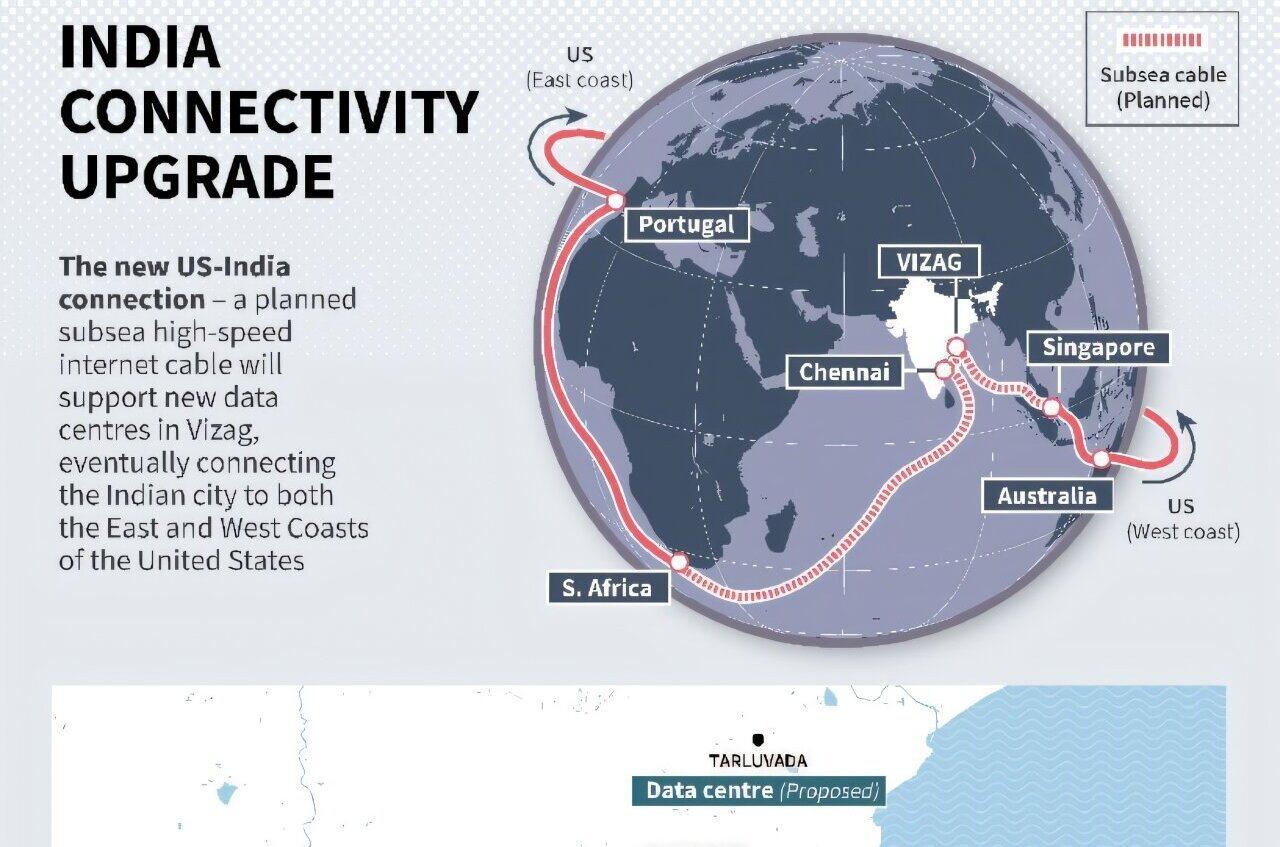
The skyline of India’s burgeoning tech corridors is set to change with the arrival of a massive artificial intelligence facility planned by Google. However, what was initially heralded as a landmark investment in the nation’s digital infrastructure has triggered an unexpected wave of grassroots opposition. As the tech giant prepares to break ground, local activists and community leaders are pushing back, highlighting a widening disconnect between high-tech promises and the tangible, everyday needs of the Indian populace.
Symbolism and Protest
In various neighborhoods surrounding the proposed site, the visual language of dissent has become impossible to ignore. Protest posters have proliferated, featuring striking imagery that captures the growing public anxiety. One prominent campaign poster depicts the Google logo tightly ensnared by heavy iron handcuffs, a potent symbol suggesting that the expansion of “big tech” may come at the cost of personal and digital freedom.
Another recurring slogan appearing on handmade placards—”You cannot drink data”—serves as a biting critique of corporate priorities. This refrain echoes a growing sentiment that the pursuit of advanced AI infrastructure is being fast-tracked while foundational issues, such as local water security and essential public utility access, remain unaddressed or underfunded. For many residents, the multi-billion-dollar valuation of the proposed data center feels like an affront to a community still struggling with the basic tenets of sustainable urban living.
The Infrastructure Paradox
At the heart of the controversy is the immense resource requirement of AI mega-facilities. These data centers are notoriously power-hungry and water-intensive, requiring constant cooling systems that often tap into the same municipal grids and groundwater supplies that local households rely on.
Critics of the project argue that the government’s push to make India an AI powerhouse should not come at the expense of its citizens’ resource stability. Environmental advocates have joined the fray, calling for a comprehensive, transparent audit of the facility’s long-term ecological footprint. There is a palpable fear that the promise of “connectivity” and “digital progress” is a convenient facade for extracting precious local resources to fuel a global technological arms race that benefits shareholders more than it does the local workforce.
A Nation at a Crossroads
The mounting opposition places the Indian government in a difficult position. On one hand, ministers are eager to project India as a premier destination for high-value global investments, positioning the country as a critical hub in the international AI supply chain. On the other, the government faces increasing pressure to demonstrate that such “digital transformation” projects provide direct, meaningful benefits to the people living in the shadow of these facilities.
As Google continues to navigate the regulatory and social landscape, the message from the streets is clear: the era of unquestioned technological acceptance is waning. Citizens are demanding a seat at the table, asking not just for connectivity, but for accountability. The struggle over this AI facility has evolved into a broader conversation about what it means for a developing nation to invite global tech giants into its borders. Whether Google can reconcile its ambitious infrastructural goals with the pressing economic and social anxieties of its neighbors remains the central question of this unfolding corporate saga.
Disclaimer: This content is auto-generated for informational purposes only.
Source: Read Original News