








The Persistent Infrastructure Crisis in Indian Primary Education
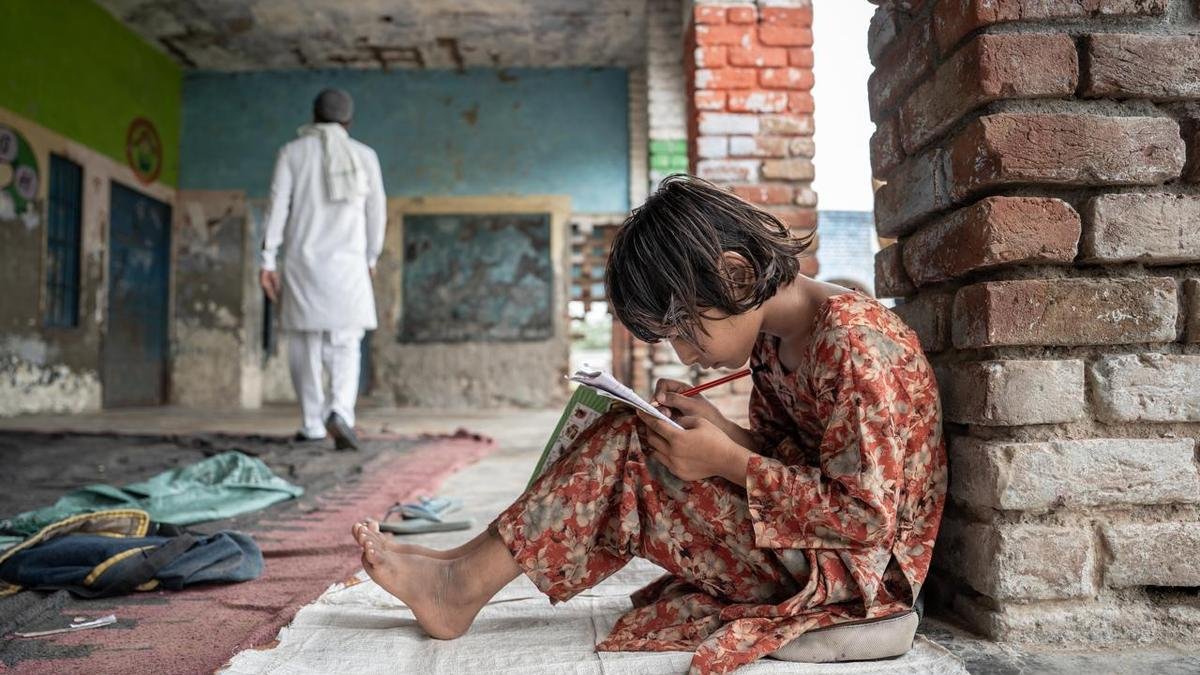
For eight-year-old Suraiya, a student at the Government Primary School in Mannaki, Haryana, the classroom is not a sanctuary of learning, but a narrow, open-air walkway. With no desks, fans, or protection from the elements, her second-grade experience is defined by the physical limitations of her school. While official government registers may list the school as an operational institution, the reality on the ground tells a different story: damp, abandoned classrooms, broken blackboards, and non-functional sanitation facilities that force teachers to conduct lessons in the hallways.
This scene is not an anomaly restricted to rural Haryana; it is a microcosm of a nationwide systemic failure. Despite decades of educational reform, the chasm between policy promises and school-level reality remains profound, creating significant hurdles for millions of students.
The Gap Between Policy and Funding
The structural woes of schools like the one in Mannaki trace back to a long-standing funding deficit. In 1966, the Kothari Commission recommended that India allocate 6% of its GDP toward education to ensure equitable growth. Six decades later, that target remains unmet, with annual spending often hovering between 3% and 4.6%.
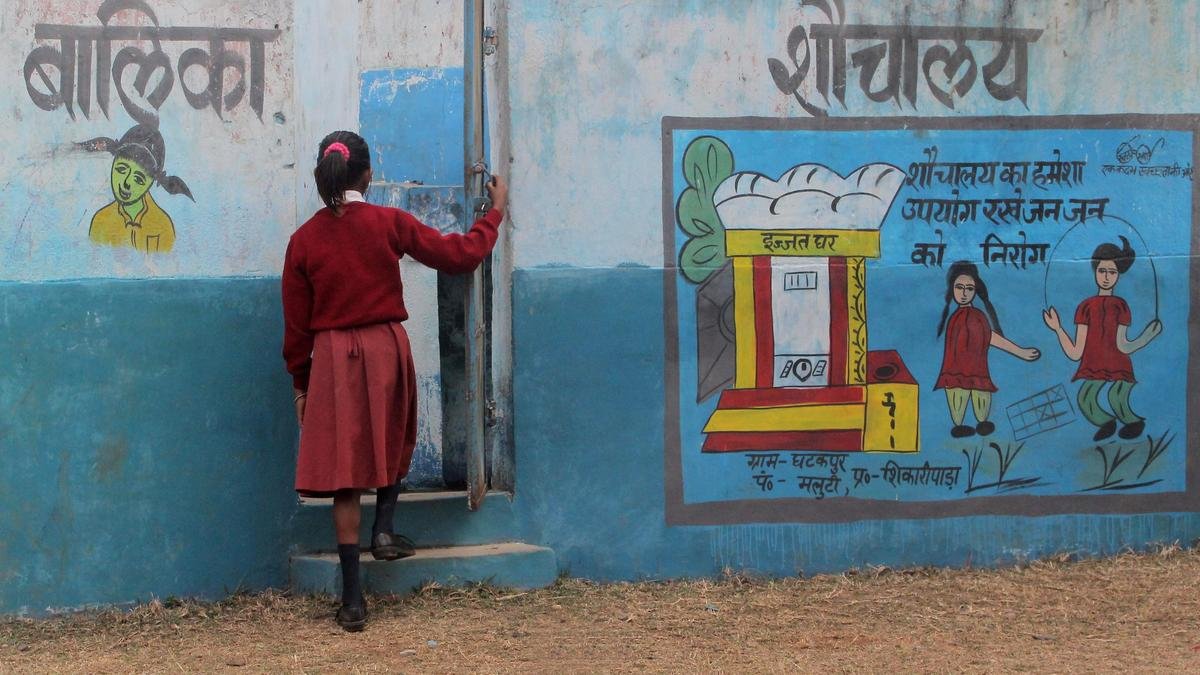
The Unified District Information System for Education (UDISE+) data reveals the stark consequences of this chronic underinvestment. Across India, roughly one in seven government schools lacks a reliable electricity connection, and 67,000 schools operate without working toilets. These statistics often represent “paper compliance”—a school may be marked as having a building, but if that structure is unusable due to floods or dilapidation, the educational outcome is essentially zero.
Human Capital and Administrative Bottlenecks
Infrastructure is only half the crisis; the other is a severe shortage of human capital. Government records indicate over 8.4 lakh vacant teaching positions nationwide. In Nuh district—a region struggling with some of the lowest literacy and highest dropout rates in the country—the shortage is acute, with nearly half of all teaching posts unfilled.
The problem is further exacerbated by administrative burdens. Teachers are frequently diverted from their pedagogical duties to assist with election-related tasks, such as the intensive revision of electoral rolls. This practice, currently under judicial scrutiny, leaves children with substitute teachers or, in some cases, no instruction at all. Furthermore, when funds for school repairs are allocated, bureaucratic inefficiencies often prevent them from being utilized, leading to the lapse of budgets back to state governments at the end of the fiscal year.
The Shift Toward Privatization
The deterioration of government institutions has triggered a significant shift in enrollment trends. According to a 2026 NITI Aayog study, the share of students enrolled in government schools has dipped to roughly 49%. Parents who can afford to do so are increasingly opting for low-cost private schools, viewing them as a necessary escape from the crumbling public infrastructure. However, in regions like Nuh, where economic resources are scarce, families are often left without any alternative, trapping students in an cycle of systemic neglect.
A Call for Grassroots Accountability
In response to these persistent failures, grassroots movements like the School Thik Karo (Fix the Schools) campaign have emerged. By encouraging local audits and village-level pressure, these initiatives aim to hold authorities accountable for the “mandatory” infrastructure—such as boundary walls and functional sanitation—that is often ignored.
For students like Suraiya, the policy discussions and funding debates occurring in distant state capitals are secondary to the immediate, tactile reality of their learning environment. As long as the gap between the regulatory mandate and the classroom reality remains unbridged, the promise of universal quality education will continue to be an elusive goal for India’s most vulnerable learners.
Disclaimer: This content is auto-generated for informational purposes only.
Source: Read Original News