









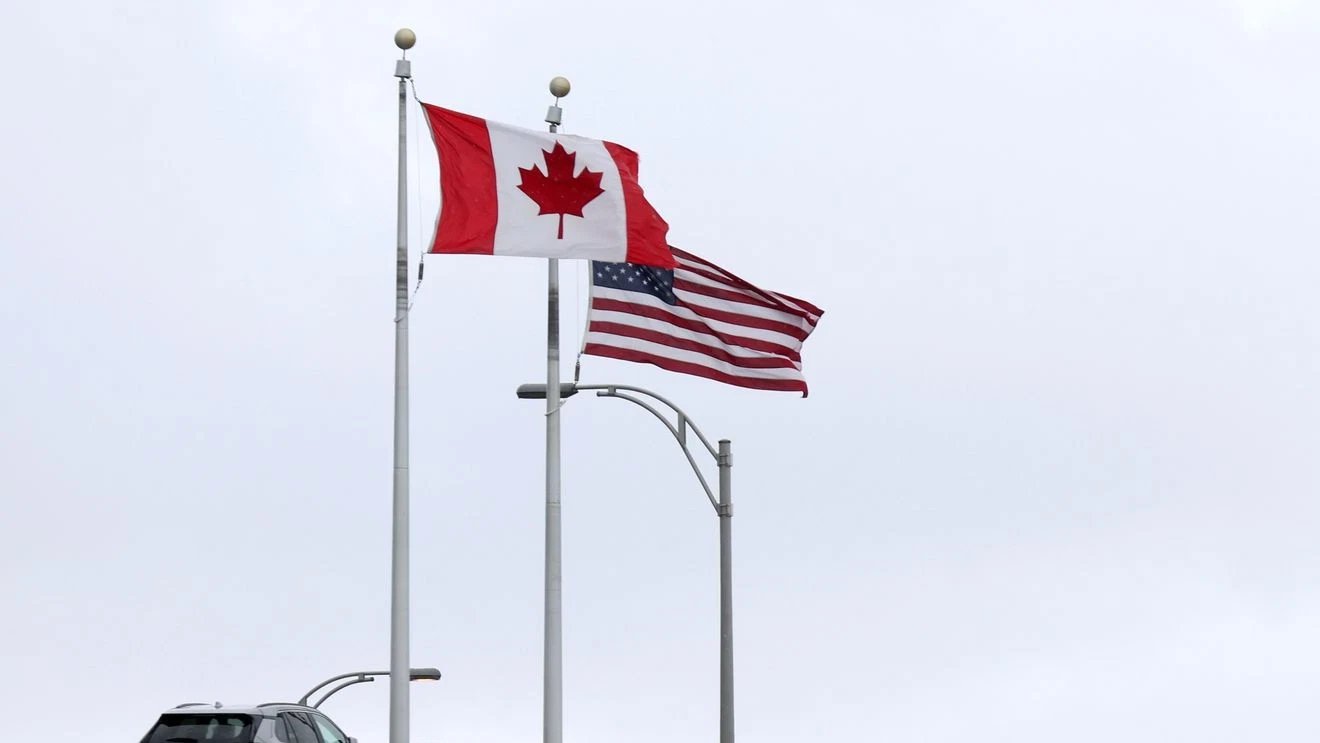
BLAINE, Wash. — The cross-border economic landscape is shifting beneath the feet of entrepreneurs, as rising trade tensions and stringent bureaucratic enforcement create a “perfect storm” that is forcing longtime business owners to shutter their operations. For Suzanne Smith, the proprietor of the now-closed Betty Be Good Boutique, the realization that her 14-year-old retail dream had reached its end was a sobering moment, one she blames on a volatile mix of international trade friction and rigid border enforcement.
Smith’s story is symptomatic of a broader struggle facing small business owners who rely on the fluid movement of goods between Canada and the United States. While the tech industry and global e-commerce platforms have worked to streamline logistics, the reality at the border remains a manual, often opaque process that can trap even the most well-intentioned operators.
The Erosion of Small Business Resilience
After surviving the immense financial pressures of the pandemic, Smith found that the post-COVID era brought new, unexpected hurdles. Skyrocketing wholesale prices, exacerbated by international trade tariffs, eroded her profit margins to the point of unsustainability. As political rhetoric between Washington and Ottawa intensified, the fallout moved quickly from the headlines into her ledger.
“I’ve never been more affected by the news as a small business owner,” Smith remarked. The impact was twofold: American customers faced higher price tags due to supply chain costs, while Canadian shoppers, wary of the economic climate, significantly reduced their cross-border trips. For a business model predicated on international traffic, the resulting month-over-month decline in revenue made closure the only viable path.
This environment highlights an irony in the modern digital age: while AI-driven trade tools and real-time logistics software aim to optimize global supply chains, they provide little protection against the localized, human-centric friction of customs enforcement.
Border Bureaucracy and the Cost of Human Error
The final blow for Smith came in the form of a lost NEXUS card—a trusted traveler document meant to facilitate efficient border crossings. Her privileges were revoked after a minor administrative oversight regarding a small fee required for commercial goods transport. Despite her clean record and intent to comply, the lack of leniency felt like a “sucker punch.”
This incident underscores a significant concern for those operating in the “Whatcom-Vancouver” corridor. Len Saunders, a Blaine-based immigration attorney with 25 years of experience, warns that authorities are increasingly focusing on the technicalities of customs declarations.
“Their job is to protect the United States from criminals and bad actors,” Saunders said. “Enforcing these obscure customs laws on small-scale business owners feels like a waste of resources.” He suggests that the rigidity of these systems is out of sync with the modern realities of small-scale international trade. For entrepreneurs moving products, even a minor mistake in digital reporting or payment can lead to the immediate loss of time-saving credentials, effectively crippling their ability to compete.
A Warning for Cross-Border Operators
As the business community navigates these challenges, the reliance on automated systems for travel and trade continues to grow. However, as Smith’s experience proves, reliance on technology does not insulate a business from the impacts of policy. Many small businesses are now looking toward digital solutions to better track compliance, yet the human element—the discretion of border agents and the volatility of trade policy—remains an unpredictable variable.
For now, Smith’s experience serves as a cautionary tale for those operating in the cross-border retail sector. With her boutiques closed and her appeal for NEXUS reinstatement facing a steep uphill battle, her story serves as a reminder that the stability of a business is often tied to macro-level geopolitical conditions. For small business owners, the message is clear: navigating the border requires more than just a sound business plan—it requires an exhaustive understanding of ever-changing customs regulations, where a single missed fee can change the course of an entire career.
Disclaimer: This content is auto-generated for informational purposes only.
Source: Read Original News