








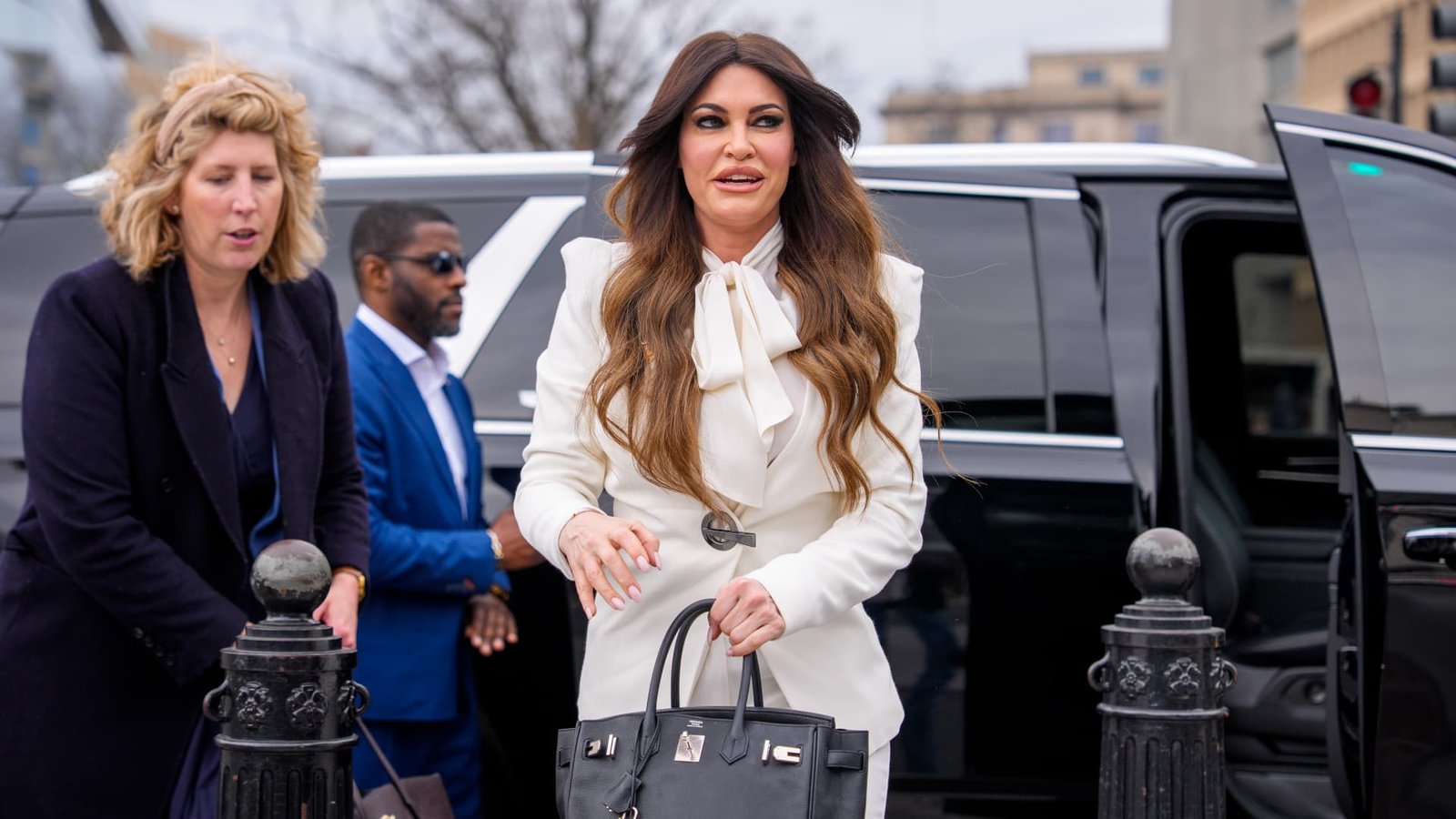
President Donald Trump signaled on Monday that he is actively considering the removal of Kimberly Guilfoyle from her post as the U.S. Ambassador to Greece. Speaking from the White House, the President expressed clear dissatisfaction with the former media personality, responding to reporter inquiries about her future by stating, “Well, we’re looking at it” and confirming, “Yeah, we’re not happy.”
The President’s comments follow a mounting wave of scrutiny directed at Guilfoyle regarding her conduct both prior to and during her tenure as a diplomat. The controversy has been largely fueled by a series of investigative reports published by The Wall Street Journal, which have highlighted questionable professional associations and potential financial improprieties.
Scrutiny Over Diplomatic Conduct and Lobbying Ties
At the center of the diplomatic firestorm is Guilfoyle’s aggressive push for U.S. allies in Eastern Europe to transition toward American natural gas. According to reports, the Ambassador has been vocal in steering foreign government officials toward the Aktor Group, a Greek construction firm with limited experience in the energy sector.
Adding to the concern is the frequent presence of Christos Marafatsos, a lobbyist for the firm, who has reportedly accompanied Guilfoyle to official meetings and stayed at her ambassadorial residence. Ethics experts and Washington insiders have described this arrangement as highly irregular for a sitting U.S. diplomat, raising questions about whether the Ambassador is leveraging her position to benefit private sector interests.
Financial Allegations and Donor Conflicts
Beyond her diplomatic travel, Guilfoyle faces significant questions regarding her personal finances. Reports indicate that in July 2025, ahead of her Senate confirmation, she reached out to Eric Deters, a prominent Trump donor, requesting a $100,000 payment to settle an American Express bill.
While Guilfoyle’s legal team maintains that the funds were owed for past public speaking engagements and consulting work—and were unrelated to her government role—the timing has sparked intense debate in the capital. Furthermore, accounts from the World Economic Forum in Davos suggest the Ambassador boasted about receiving financial backing from Greek tycoons to fund her global travel, claims that have prompted calls for an immediate internal review.
The Digital Paper Trail and Institutional Oversight
As the controversy unfolds, the role of digital records and high-speed data analytics in modern political accountability has become increasingly clear. With thousands of pages of travel logs, correspondence, and financial filings now surfacing through investigative journalism, modern oversight is more reliant than ever on the ability to aggregate information.
In the tech industry, tools such as Google’s Gemini AI and advanced workspace analytics are increasingly being utilized by organizations to monitor compliance and manage travel regulations. In the context of government, such sophisticated tracking capabilities make it difficult for officials to obscure conflicts of interest. As the State Department prepares to potentially address these procedural concerns, the case against Guilfoyle highlights the widening gap between traditional diplomatic norms and the transparency demanded in the digital age.
Guilfoyle’s representatives continue to vigorously defend her record. They insist that all travel and financial dealings were conducted in accordance with strict State Department guidance. Despite these defenses, the President’s public rebuke suggests that the political cost of these allegations has reached a breaking point, potentially ending the tenure of the former Fox News personality before her term is complete.
Disclaimer: This content is auto-generated for informational purposes only.
Source: Read Original News