







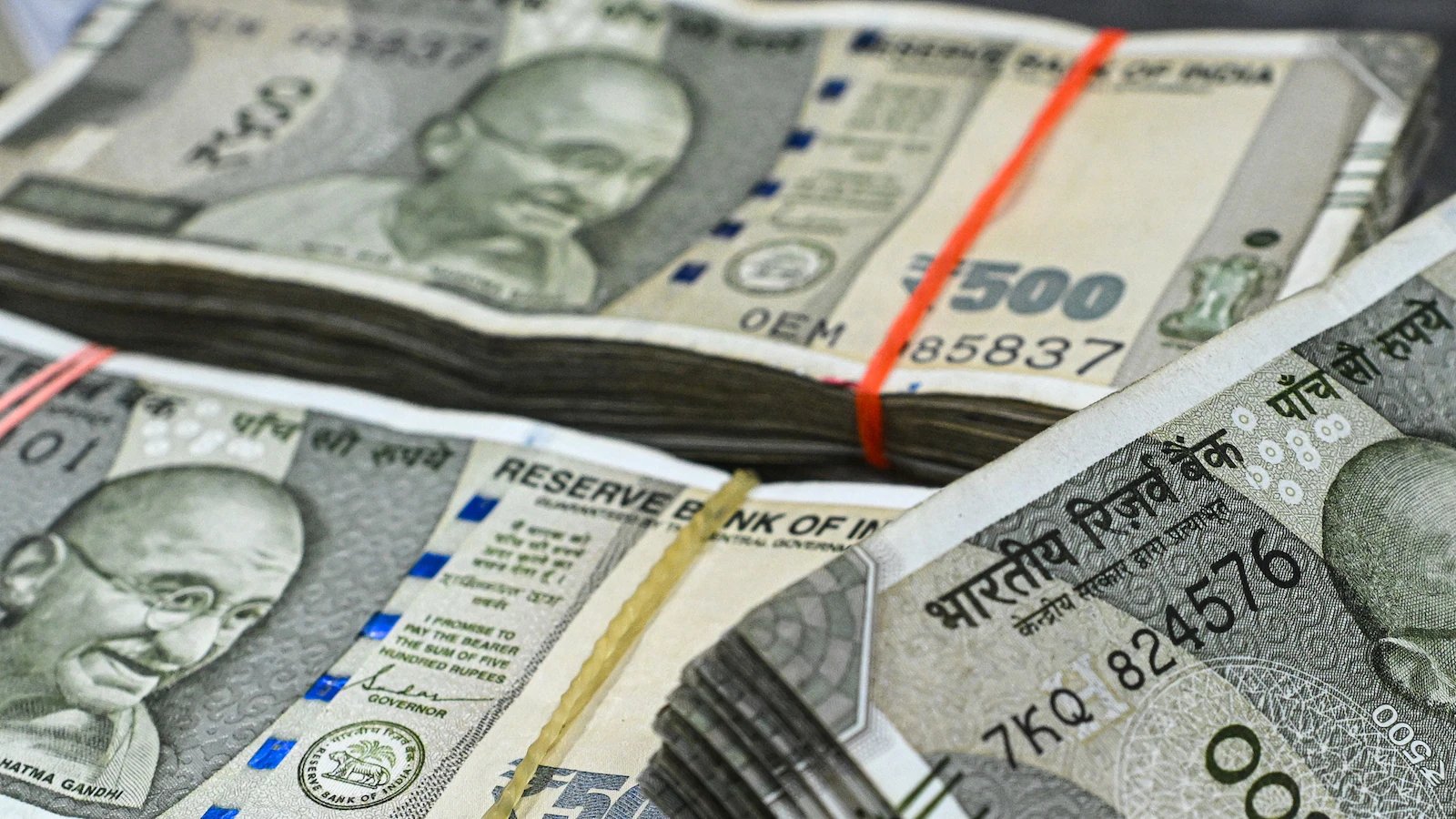
The Indian rupee has staged a notable recovery this week, outperforming its regional counterparts as the Reserve Bank of India (RBI) implements aggressive regulatory measures to stem currency depreciation. Rising oil prices and persistent capital outflows from Indian equity markets have placed significant pressure on the rupee, prompting central bank intervention that mirrors the intensity of the 2013 “taper tantrum” response.
## RBI Strengthens Defenses as Volatility Persists
The rupee climbed as much as 0.8% to 95.01 against the dollar on Tuesday, building on a 1% gain from the previous session. These gains are primarily attributed to the RBI’s tightening of derivative transaction rules. The central bank has restricted banks operating in the International Financial Services Centre from offering offshore rupee-linked derivatives to non-residents unless intended strictly for hedging purposes. Furthermore, the expansion of foreign-exchange risk reserves to cover bank assets and liabilities serves as a clear signal that the central bank intends to curb speculative arbitrage.
Currency analysts note that the recent regulatory barrage has neutralized much of the onshore-offshore price discrepancy that previously incentivized volatility. By narrowing the scope for arbitrage, the RBI is effectively prioritizing market stability over complete liberalization, at least in the short term. While these measures have provided temporary relief, some institutional analysts, including those at MUFG Bank, maintain a cautious outlook, projecting the currency could hover toward the 97.5 mark by late next year if external macro pressures—namely high energy import costs—do not abate.
## The Intersection of Fintech and Macro Stability
While the RBI navigates the macroeconomic complexities of currency fluctuations, the broader Indian tech landscape is undergoing its own transformation. As financial institutions and banks in India pivot toward more robust digital infrastructure to manage complex regulatory compliance, the demand for high-skilled data analytics professionals continues to climb.
The shift toward algorithmic regulation and advanced treasury management systems—tools used by banks to track the very currency interventions discussed here—requires sophisticated data modeling. Despite reports of localized layoffs across the tech sector, professionals capable of navigating data-heavy environments are seeing increased compensation. This suggests that as the financial sector adopts more advanced AI-driven risk management tools to monitor market shifts, the value of human expertise in data science remains a high-priority asset for firms seeking to modernize their operations.
## AI and the Future of Financial Oversight
The role of Artificial Intelligence in tracking global financial market sentiment is evolving rapidly. Large language models and predictive data tools are now routinely used by financial analysts to synthesize central bank statements, trade data, and oil market updates in real-time. As the RBI increases its intervention frequency, the capacity for AI-integrated systems to interpret these policy shifts becomes critical for traders and corporate treasurers alike.
Google’s ecosystem of cloud and data analytics products remains at the forefront of this digital pivot. By providing the infrastructure to process massive datasets, such as those required to analyze currency derivative flows or global trade patterns, these tech platforms enable the financial agility required in today’s volatile climate. As the RBI employs stringent measures to defend the rupee, the underlying reliance on real-time data analytics underscores a broader trend: the modernization of India’s financial markets is being facilitated by a growing synergy between advanced data engineering and traditional monetary policy.
Moving forward, the effectiveness of the RBI’s “market-management” strategy will depend not just on regulatory decree, but on how effectively market participants can utilize technological tools to navigate the narrowing window of opportunity in the foreign exchange markets.
Disclaimer: This content is auto-generated for informational purposes only.
Source: Read Original News