








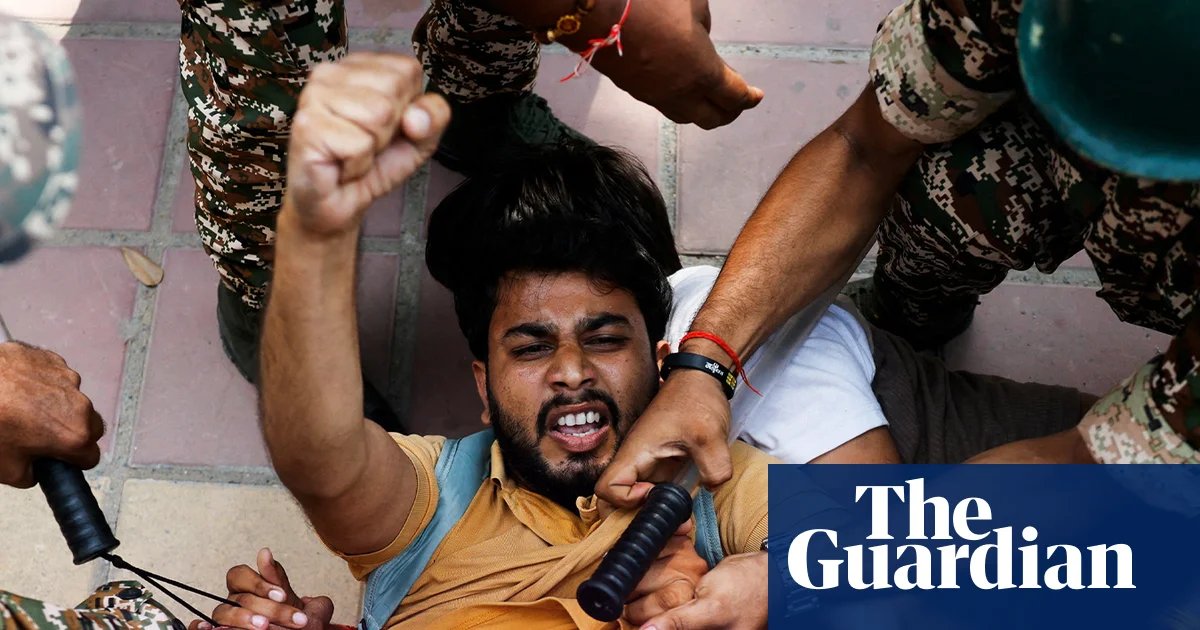
Democratic Backsliding Concerns Mount as India Cracks Down on ‘Cockroach’ Movement
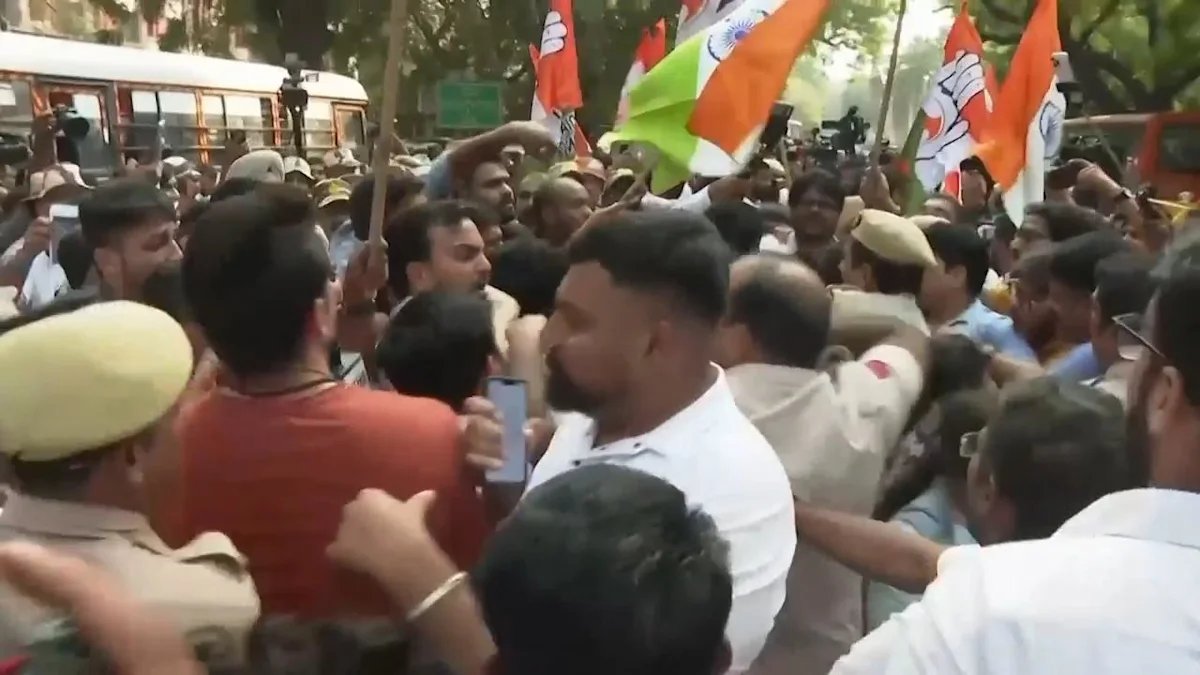
The streets of Delhi have become the latest battleground for India’s burgeoning youth-led political dissent, as the government of Prime Minister Narendra Modi escalates its campaign against the grassroots “Cockroach” movement. Named for their persistence and refusal to be silenced, the young protesters have found their peaceful demonstrations met with an increasingly heavy-handed state response, signaling a deepening friction between the administration and the country’s disillusioned youth.
The movement, which initially galvanized around widespread grievances concerning stagnant employment rates and the state of the national education system, has undergone a radical transformation. Protesters have broadened their platform to challenge what they describe as systematic efforts by the ruling Bharatiya Janata Party (BJP) to restrict electoral participation. Activists claim that shifting voting regulations and administrative hurdles are being weaponized to disenfranchise millions, particularly among marginalized communities.
The Price of Dissent
The government’s response to these evolving demands has been swift and severe. In a move that has drawn condemnation from international human rights observers, authorities have formally shuttered a historic protest site in the heart of Delhi, a location long recognized as a symbol of Indian democracy and public assembly.
The crackdown extended to the movement’s leadership this week, with two prominent organizers handed five-day prison sentences. The state justified the detention by citing the violation of stringent “suppression measures,” which critics argue are increasingly being used to criminalize political opposition rather than ensure public order. Legal advocates are now calling these arrests a dangerous precedent, suggesting that the state is moving to neutralize youth voices before they can mobilize wider public support.
International Alarm Over Autocracy
The severity of the crackdown has not gone unnoticed on the global stage. Both the United Nations and Amnesty International have issued stern rebukes, expressing grave concern over the shrinking space for civil society in the world’s largest democracy. In recent reports, international observers have pointed to the arrest of protesters and the curtailing of assembly rights as symptomatic of an “autocratic drift” within the Indian executive branch.
Despite the mounting international pressure, the Modi government remains steadfast in its defense. Official spokespersons have categorically denied allegations of voter disenfranchisement, dismissing the claims as politically motivated misinformation campaigns designed to destabilize the nation. The administration maintains that its policies are aimed at streamlining bureaucratic processes and that the protesters are violating public safety protocols.
A Generation at the Crossroads
For the young people filling the ranks of the Cockroach movement, however, the government’s rhetoric holds little sway. As the movement grows, it reflects a deepening chasm between a government focused on nationalistic branding and a youth population grappling with the realities of an unforgiving job market and shrinking civic freedoms.
As the imprisoned leaders await their release, the movement shows few signs of retreating. Instead, the incident has served to harden resolve among student unions and digital activists across the country. Whether this youth-led wave can force a shift in policy remains uncertain, but the current escalation has undeniably pushed India’s democratic credentials into a critical period of scrutiny. With the historic protest sites now gated and under guard, the next phase of this conflict is likely to move into the digital sphere and the quiet corners of university campuses, where the struggle for political agency continues to simmer.
Disclaimer: This content is auto-generated for informational purposes only.
Source: Read Original News