








The Indian film industry is standing on the precipice of a seismic shift. For decades, the stories of the subcontinent—rich in mythology, philosophy, and unparalleled emotional stakes—have been largely consumed by the diaspora or niche global cinephiles. Now, however, the landscape is changing. Producer Namit Malhotra has officially signaled that the time for the global unveiling of the most ambitious cinematic undertaking in Indian history has arrived. With the international promotion for Ramayana set to kick off in full force, it is clear that this is not just another film release—it is an attempt to redefine the global perception of Indian storytelling.
A Vision Orchestrated for the World Stage
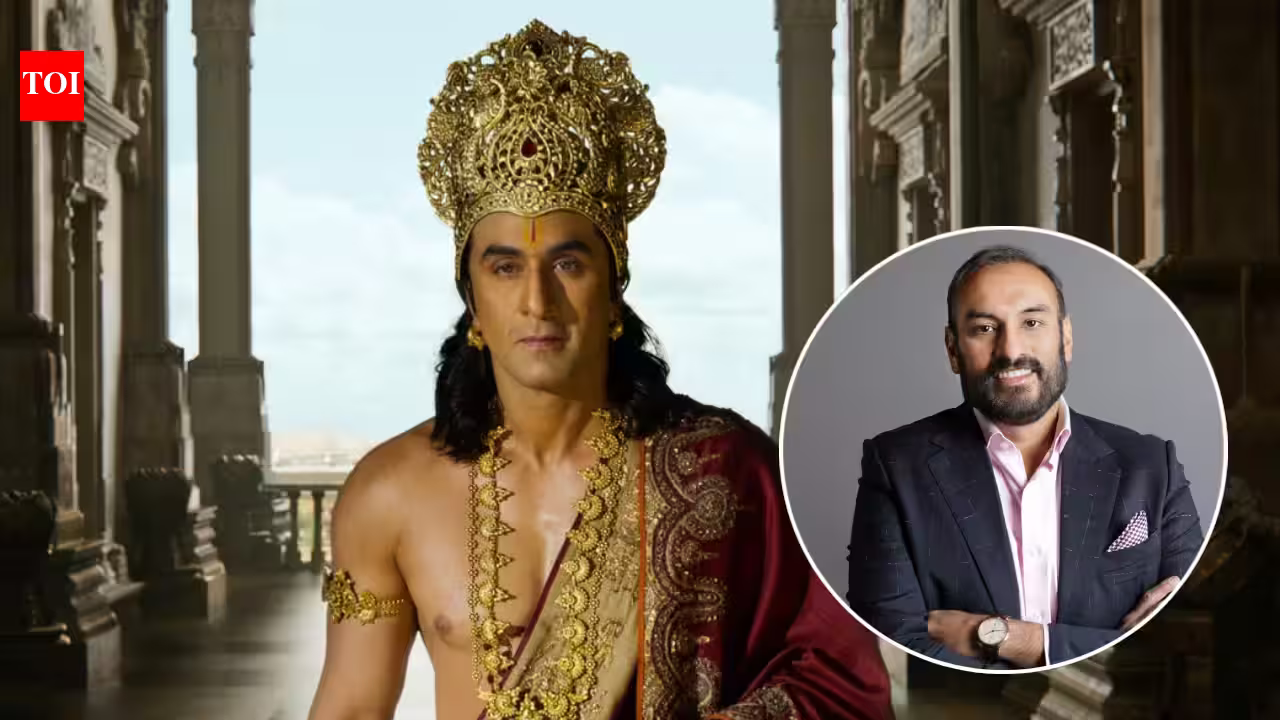
The announcement, delivered via a heartfelt social media statement by producer Namit Malhotra, carries the weight of a historic mandate. “When we set out to make Ramayana, our dream was always to take one of India’s greatest stories to the world,” Malhotra wrote, capturing the essence of a project that feels more like a national mission than a standard studio production.
The partnership with Sony Pictures is the cornerstone of this ambition. By leveraging a massive international distribution apparatus, the makers are ensuring that this epic isn’t just “exported”—it is being curated for global consumption. For many Western audiences, the intricacies of the Ramayana are an untouched tapestry; the production team is betting on the idea that at the heart of this ancient narrative lies universal themes of duty, sacrifice, and the eternal battle between good and evil that transcend geographic and cultural boundaries. “For a film born in India to be presented to the world on the scale of a global cinematic event is something we as Indians are incredibly proud of,” the note continued, signposted with the powerful, emotive rallying cry: “Our truth. Our history. From India to the world.”
A Dream Team Behind the Camera
The sheer scope of Ramayana is matched by the creative force assembled to steer it. Helmed by Nitesh Tiwari, a director renowned for his ability to weave intricate character studies into mainstream blockbusters, the film is expected to be as much a triumph of storytelling as it is a spectacle of technology. Tiwari, working alongside producers Malhotra and the powerhouse that is Yash, has clearly aimed for a synthesis of traditional reverence and modern cinematic grammar.
The involvement of Yash—the KGF superstar whose pan-Indian appeal has been monumental—adds a layer of tactical brilliance. His presence in the production, as well as his rumored involvement as the formidable Ravana, brings a level of raw, visceral charisma that is essential for a film aiming to capture the attention of global audiences who have grown accustomed to the epic scales of The Lord of the Rings or Dune. This is a production that understands the current pulse of the box office: a fusion of high-concept mythology and A-list star power.
The Cast: A Confluence of Talent
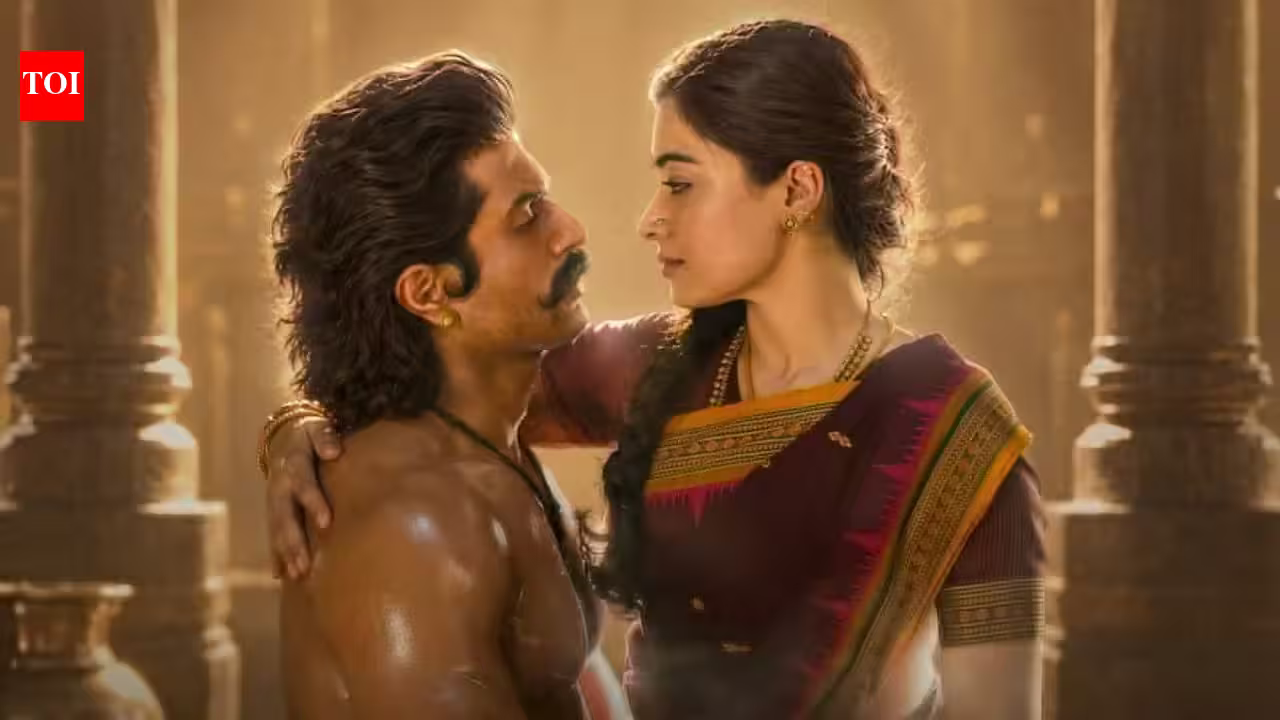
While the production scale is gargantuan, the human element remains the anchor. Ranbir Kapoor, an actor celebrated for his nuanced portrayals, has been entrusted with the role of Lord Ram. It is a defining career move that sees him stepping into a character of immense cultural reverence. Opposite him, Sai Pallavi, an actress revered for her raw, authentic performance style, will portray Sita.
The supporting cast reads like a “who’s who” of Indian cinema, adding depth and gravitas to the ensemble. With veterans like Arun Govil—whose face is synonymous with the character of Ram in cultural memory—sharing the screen with contemporary heavyweights like Lara Dutta, Vivek Oberoi, and Rakul Preet Singh, the film promises to be a masterclass in casting. By balancing legacy actors with the new guard, the production is aiming to satisfy both the traditionalist viewer and the modern fan, creating a cohesive emotional bridge that spans generations.
The Strategy of Global Saturation
The logistics of this global push are staggering. Reports indicate that Sony Pictures is aiming for a massive footprint, targeting approximately 50,000 screens in international markets. This isn’t just a wide release; it is total market saturation. By releasing an English-language trailer specifically tailored for non-Indian audiences, the team is proactively lowering the barrier to entry for international viewers.
The strategic timing—a November 5, 2026 release date coinciding with Diwali—is a masterstroke of cultural branding. By tying the global debut to the festival of lights, the film invites the world to experience the spirit of the Ramayana exactly when it is being celebrated in homes across the globe. Part two, slated for Diwali 2027, signals the producers’ confidence in the franchise’s longevity. They aren’t just looking to break opening weekend records; they are looking to build a sustainable global mythology franchise that can hold its own in the competitive landscape of international blockbusters.
Why This Moment Matters
We are currently witnessing an “Indian Summer” in global entertainment. From the international success of RRR to the rise of Indian talent in Hollywood, the world is finally leaning in to hear what India has to say. However, Ramayana feels different. It is not a niche genre film or an indie darling; it is the foundational text of a civilization being packaged for a global audience.
The stakes are higher than they have ever been. If this production succeeds in translating the emotional complexity of the epic for viewers in Los Angeles, London, or Tokyo, it will set a new benchmark for how non-Western content is produced and distributed. Namit Malhotra’s announcement this week is more than just a marketing update—it is the sound of the barrier breaking. As the international campaign begins, the eyes of the global film community will be watching to see if the story of the ages can truly become the story for all time. For the makers, the goal is clear: to ensure that when the lights go down and the screen glows with the imagery of this ancient epic, the world doesn’t just see a film from India—they see a mirror of their own humanity.
Disclaimer: This content is auto-generated for informational purposes only.
Source: Read Original News