





The current geopolitical climate, defined by extreme polarization and the rapid erosion of democratic norms, has created a challenging landscape for writers and creators looking to capture the essence of modern governance. Among those grappling with this reality is Aaron Sorkin, the acclaimed screenwriter behind the seminal NBC political drama The West Wing. In a recent interview with Entertainment Weekly, Sorkin revealed that while the prospect of reviving his iconic series remains a constant thought, the “tricky” nature of today’s political environment makes a return to the halls of the fictional Bartlet administration a daunting proposition.
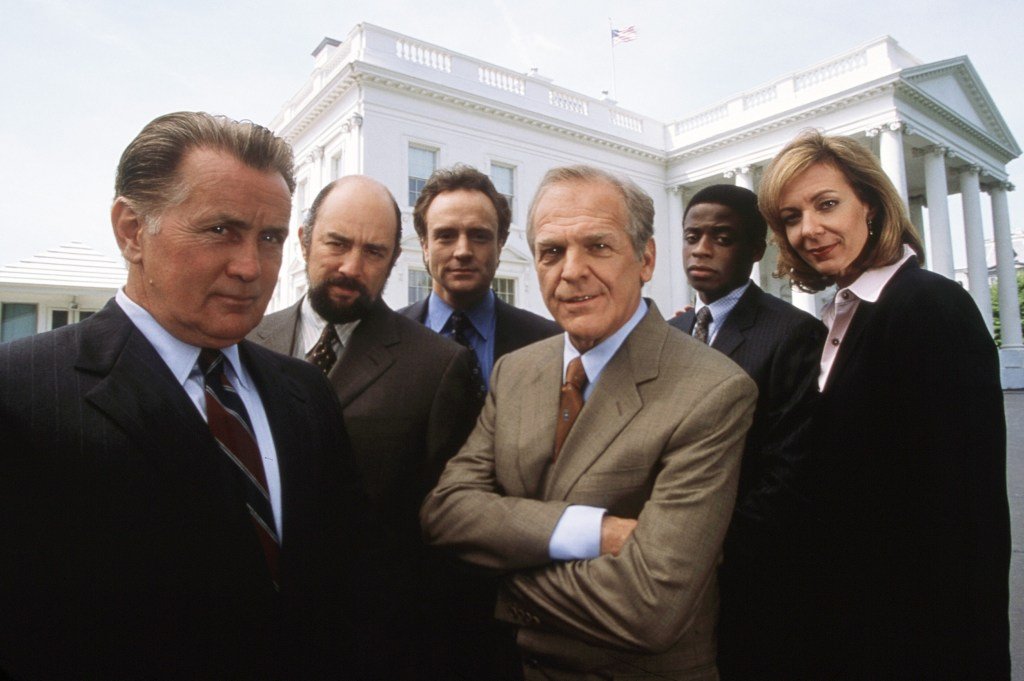
The West Wing, which aired for seven seasons from 1999 to 2006, set a high-water mark for television’s portrayal of the American presidency. Led by Martin Sheen’s Josiah Bartlet, the series focused on a high-minded, intellectually rigorous Democratic administration navigating both national and global crises. Sorkin admitted that he misses the creative energy of the show, noting, “There’s probably a couple of seconds every day when I think about it,” and adding that revisiting those characters “would be fun.”
However, Sorkin’s hesitation reflects a broader sentiment shared by many observers of the modern landscape: the difficulty of depicting political idealism in an era where institutional trust is at an all-time low. When asked how a character like Jed Bartlet would respond to the current state of American politics, Sorkin was circumspect but telling. “I’d like to take a little time before I put words in Jed Bartlet’s mouth,” Sorkin said. “I’ll just say that I don’t think his reaction would be dissimilar to most of our reactions to what’s going on right now.”
The challenge Sorkin identifies is rooted in the shift of the political zeitgeist. During the show’s original run, the series was praised for its “optimistic realism”—the idea that, despite partisan disagreements, government officials were fundamentally committed to the welfare of the nation. In the current climate, where partisan divides have ossified into tribal warfare, the optimistic tone that defined The West Wing can often feel disconnected from the public’s lived experience of governance. To replicate that success today, a writer would have to navigate a media ecosystem that is vastly different from the early 2000s, where traditional news cycles have been replaced by the relentless, chaotic velocity of social media.
The impact of this changing media landscape is a central theme in Sorkin’s latest professional endeavor. His upcoming film, The Social Reckoning, serves as a spiritual successor to the 2010 hit The Social Network. Set 16 years after the events of the original film, the legal thriller explores the long-term repercussions of the rise of social media platforms—tools that have fundamentally altered how citizens perceive, interact with, and distrust their government. By casting Jeremy Strong in the role of Mark Zuckerberg, Sorkin appears poised to examine the very digital infrastructure that has made the traditional, linear political narrative of the late 90s so difficult to reconstruct in fiction.
For fans of the series, which featured a powerhouse ensemble cast including Rob Lowe, Allison Janney, Richard Schiff, and Bradley Whitford, the desire for a reunion remains high. Yet, Sorkin’s comments highlight a rare level of creative integrity: the recognition that a show is a product of its time. The West Wing flourished by reflecting the aspirations of a specific period of American history. As Sorkin continues to analyze the seismic shifts in society through his cinematic work, he remains cautious about forcing a past idealism into a present reality that is defined by uncertainty. While the door to a revival is not firmly shut, it remains barred by the sobering recognition that our current political “environment” has changed in ways that even the most eloquent scripts may struggle to resolve.
Disclaimer: This content is auto-generated for informational purposes only.
Source: Read Original News