






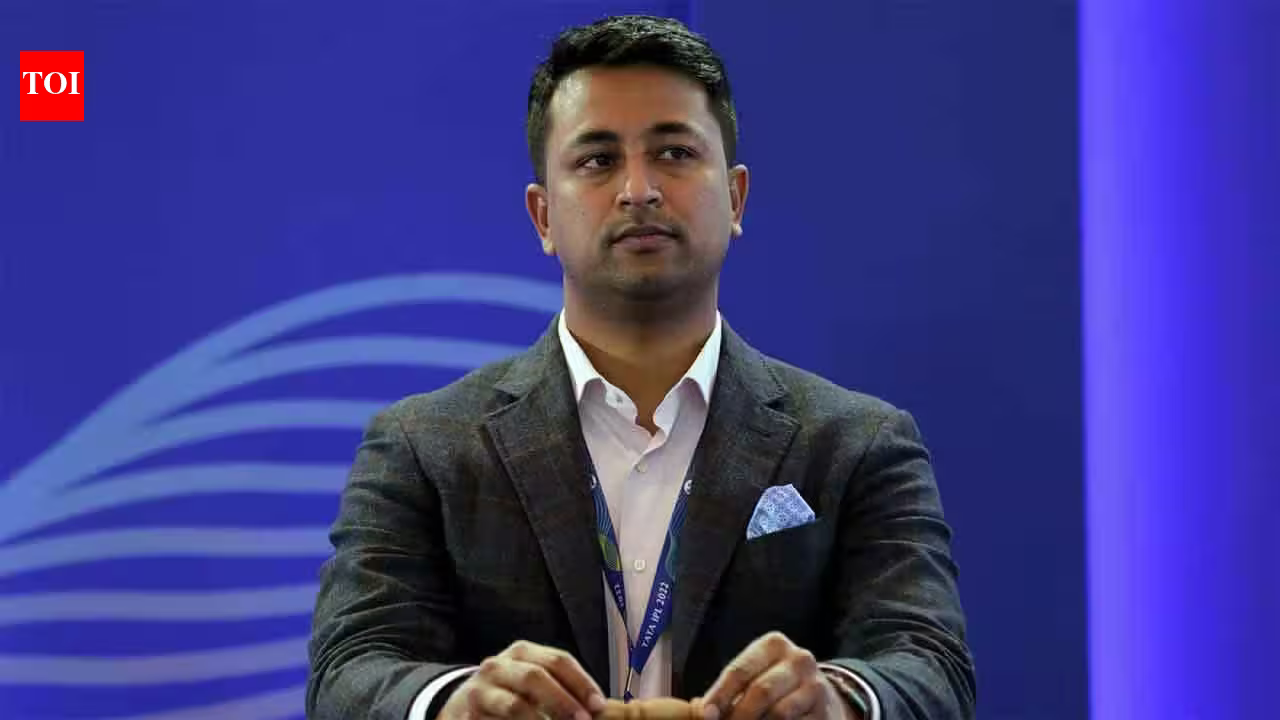
UNCERTAINTY GRIPS the Board of Control for Cricket in India (BCCI) as the national selection committee navigates a period of significant transition. With the departure of former chief Ajit Agarkar creating a void at the helm, the administrative corridors in New Delhi are abuzz with speculation regarding the future composition of the selection panel. The landscape shifted dramatically this past Wednesday when the application deadline for the West Zone vacancy passed without a submission from former India wicketkeeper Parthiv Patel—a man many insiders had already penned in as the natural successor to lead the committee.
Patel’s decision to opt out of the selection race has left the board at a crossroads. As the countdown to the ODI World Cup intensifies—now less than a year away—the pressure to solidify a leadership structure has never been higher. The prevailing question among pundits and stakeholders alike is whether the BCCI will prioritize a complete overhaul or lean into the current interim setup.
The Laxman Factor: A Shift in Influence?
With the vacancy unfilled, current interim chairman Pragyan Ojha appears set to maintain his hold on the position, at least for the foreseeable future. However, the more intriguing development is the growing shadow cast by VVS Laxman, the head of the BCCI’s Centre of Excellence (CoE).
Industry whispers suggest that if the board chooses not to appoint a new, permanent chairman immediately, it may be because they are shifting toward a model where Laxman wields greater influence over selection strategy. A high-ranking BCCI source hinted at the logic behind this potential pivot, stating, “The board would have preferred continuity with Agarkar staying on until the World Cup, but things didn’t go as expected. If a new chairman of the selection committee comes in, there’s a chance his vision could be different from the ones working now. With Laxman’s growing influence, the board may let things remain the way they are at present.”
The board is acutely aware that appointing an outsider this close to a major global tournament could lead to a clash of philosophies. By maintaining the status quo, the BCCI hopes to avoid the friction that often accompanies the arrival of a new chief selector who might look to immediately imprint their own selection manifesto on the squad.
Investing in Excellence: BCCI Opens the Purse Strings
While the administrative side of the board debates personnel, the financial side has quietly signaled a willingness to break traditional barriers to secure talent. It is no secret that the BCCI is aggressively scouting for “big” names—veterans with extensive international experience—to fill its most critical roles. To achieve this, the board has adopted a remarkably flexible pay policy.
The financial commitment is clear. Since the additions of RP Singh and Pragyan Ojha to the selection committee in September of last year, the BCCI’s expenditure on selection committees has ballooned. The costs surged past the original annual budget by Rs 3 crore, reaching a total of Rs 17.45 crore. Perhaps more telling is the board’s long-term fiscal planning: a budget of Rs 19.35 crore has been reserved for the 2026-27 cycle, marking a massive Rs 5 crore increase in total allocation for selection duties compared to previous standards.
This financial agility, however, has not come without its challenges. Sources close to the board confirmed that formal overtures were made to several former cricketers—each with nearly 100 Test matches to their name—but the offers were declined. It appears that the current generation of retired legends is not easily swayed, and the board has found itself in the position of negotiating salaries on a case-by-case basis to attract the caliber of candidates they deem necessary for the national team’s success.
The Clock is Ticking: SS Das and the Tenure Deadline
Adding another layer of complexity to the committee’s future is the status of SS Das. Having served the committee with dedication, Das is approaching a administrative milestone: he will complete his four-year tenure in December.
Normally, such a tenure limit would trigger a mandatory exit, but given the current volatility and the looming shadow of the World Cup, the board is forced to weigh the benefits of a fresh start against the value of continuity. Indications suggest that the BCCI may be inclined to grant Das an extension, allowing him to see the team through to the World Cup before a broader restructuring is addressed.
As it stands, the BCCI is in a race against time. Whether they choose to hunt for another high-profile candidate to fill the West Zone slot or opt to double down on the current interim structure, the decisions made in the coming weeks will set the tone for India’s performance on the world stage. For now, the interim leadership of Pragyan Ojha, under the watchful eye of the CoE, remains the most likely path forward. Cricket fans, however, will be waiting to see if the “big names” the BCCI so desperately craves finally sign on the dotted line.
Disclaimer: This content is auto-generated for informational purposes only.
Source: Read Original News